
Plumbing Stack Replacement: 8 Signs You Should Never Ignore
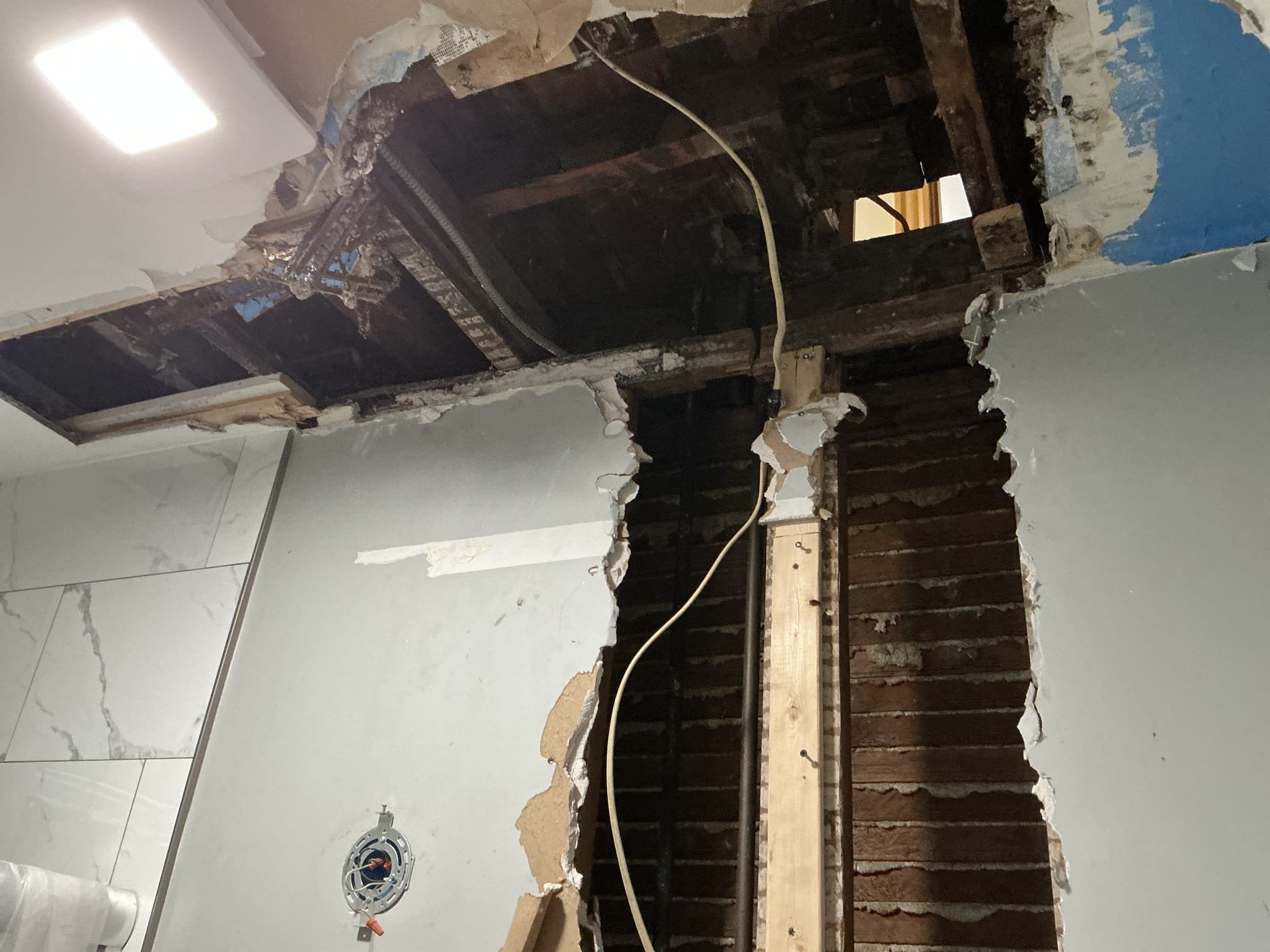
When your home’s plumbing stack starts to fail, problems can move fast from “annoying” to “expensive.” If you own an older Boston home with original cast iron pipes, knowing the warning signs can save you from leaks, odors, and serious water damage.
What Is a Plumbing Stack, Exactly?
Your plumbing stack is the main vertical pipe that carries wastewater from sinks, tubs, showers, and toilets down to your home’s main drain line and sewer connection. It also ties into a vent that usually exits through your roof, which lets sewer gases escape safely and brings fresh air into the system so everything can drain properly.
In a typical Boston home, the plumbing main stack:
Runs from the lowest level of the house up through the roof
Collects drain lines from multiple bathrooms and fixtures
Connects to a vent section that helps balance air pressure in the pipes
Without that vertical stack and vent working together, drains would gurgle, toilets would not flush well, and sewer gases could leak into your living space.
Why Your Plumbing Main Stack Matters
Your plumbing main stack does three critical jobs:
Moves wastewater out of the house. It is the main highway that carries used water and waste to your sewer line.
Protects you from sewer gas. The vented section allows gases to rise and exit through the roof instead of building up inside.
Keeps water in your traps. By balancing air pressure, the stack helps keep water sealed in traps, which blocks odors from coming back inside.
When the stack is cracked, rusted through, or clogged, every one of these functions is at risk.
Why Older Boston Homes See More Plumbing Stack Problems
Many older homes in and around Boston were built with cast iron stacks. Over time, cast iron can corrode from the inside and outside, especially when exposed to moisture, wastewater, and certain soils. Cast iron drain pipes typically last somewhere between about 50 and 100 years, and visible deterioration often begins much earlier.
Once corrosion gets going, problems you might see include:
Thinning pipe walls that crack or leak
Rust “barnacles” forming on the surface
Rough interior surfaces that catch debris and cause clogs
Openings that allow sewer gas and even pests into the home
If your home was built before the 1970s and still has its original plumbing stack, it is smart to keep a close eye on it.
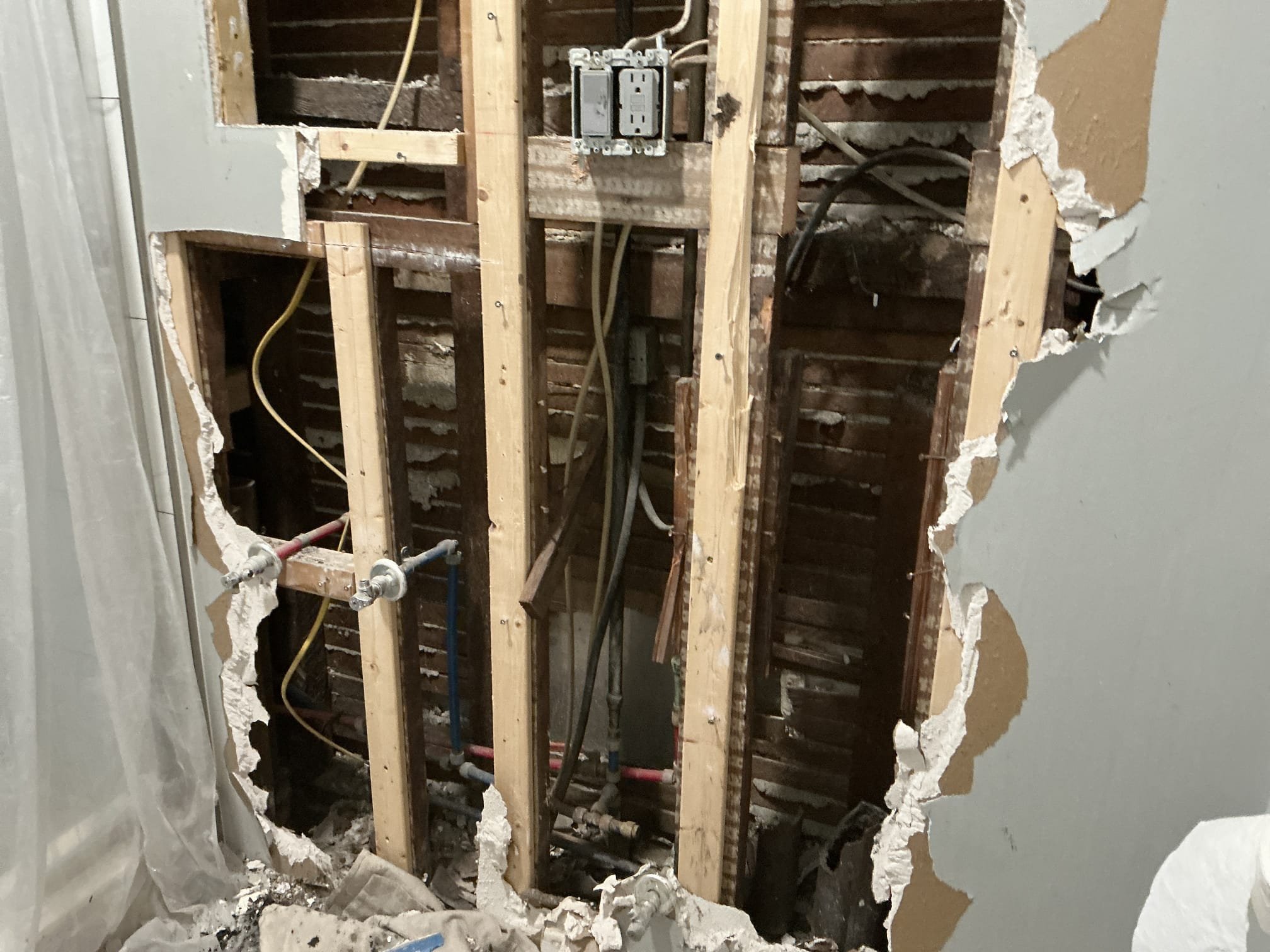
8 Warning Signs You May Need Plumbing Stack Replacement
Here are some of the most common homeowner-friendly clues that your plumbing stack may be due for repair or replacement.
1. Persistent Drain Issues Throughout the House
Slow drains in one sink can be a simple clog. Slow drains or frequent backups in multiple fixtures on different floors point to a larger issue.
When the main stack or the pipes leading to it are corroded or partially blocked, water has a harder time moving through, which shows up as persistent slow drainage, repeated clogs, or gurgling noises.
If you clear drains and the problem keeps coming back, it is time for a pro to inspect the stack itself.
2. Sewer Odors Inside the Home
You should never smell sewer gas inside your house. A well-sealed system keeps odors inside the pipes, with the vent sending gases safely out through the roof.
Odors near bathrooms, basements, and walls where pipes run can indicate cracks or gaps in the plumbing stack. That is a safety concern, not just a comfort issue, and it is a strong sign that the stack or its connections need attention.
3. Stains, Bubbling Paint, or Soft Spots Along Stack Paths
If the plumbing stack runs inside a wall, closet, or corner chase, leaks may not be obvious right away. Instead, you might notice:
Brown or yellow water stains on ceilings or walls
Peeling or bubbling paint or plaster
Soft or spongy flooring near bathrooms
These are classic signs of hidden plumbing leaks, and a failing plumbing main stack is often the source in older homes.
4. Visible Rust, Cracks, Or “Barnacles” On The Stack
Where the stack is exposed in a basement or utility area, you may be able to see its condition directly.
Red flags include:
Flaky rust or metal that looks scaly
Small raised rust bumps, often called “barnacles”
Hairline cracks or signs of previous patching
Active dripping or dried water trails on the pipe
This kind of visible corrosion on cast iron stacks means the metal is weakening and leaks are likely, so replacement is often the safest long-term option.
5. Water Around the Base of the Stack or in the Basement
Water pooling around the base of the stack, especially after heavy use of fixtures, can indicate the pipe is leaking where it meets the slab or where other lines tie in.
Even a “small” leak can:
Damage finished floors or framing
Contribute to mold growth
Attract pests
Ignoring these early signs can turn a manageable plumbing stack replacement into a much bigger restoration project.
6. Gurgling Drains Or Toilet Bowl Water That Drops
When the plumbing stack or its vent is blocked or damaged, the system cannot balance air pressure correctly. That can cause:
Gurgling sounds as fixtures drain
Toilet bowls that bubble or lose water level
Sinks that pull air when other fixtures run
Proper venting is essential to prevent gurgling, protect trap seals, and keep your drainage system working smoothly. If plunging and basic drain cleaning do not fix these symptoms, a professional needs to evaluate the vent and plumbing stack.
7. An Old Cast Iron Stack With Repeat Repairs
If you have an older Boston home with a cast iron plumbing stack, and you keep calling for leak repairs along the stack, spot patches on rusted sections, or frequent clearing of major clogs, you may be at the point where full plumbing stack replacement is more cost-effective and reliable than another temporary fix.
Many cast iron systems begin to show serious deterioration after a few decades in service, even if they have not completely failed yet. This is preventable with proper drain cleaning.
8. Drain Flies Around Sinks, Tubs, Or Floor Drains
Another warning sign many Boston homeowners overlook is drain flies. These are tiny, moth-like flies that hover around sinks, tubs, floor drains, or basement drains. If you are seeing small flies indoors in the middle of winter, when insects should be minimal, it can be a clue that wastewater is sitting or escaping somewhere it should not.
Drain flies breed in slimy organic buildup. When there is a hidden leak or a constantly damp area around a failing plumbing stack, that moist film becomes the perfect habitat. If you notice clusters of these flies, it may be time to call a plumber. Getting rid of the flies will not solve the underlying problem. The real fix is finding and repairing the leak or damaged plumbing stack.
What Happens During Plumbing Stack Replacement?
Every home is different, but a typical plumbing stack replacement usually includes:
Inspection and planning. A licensed plumber locates the stack, evaluates its condition, and checks connections to fixtures and the main sewer line.
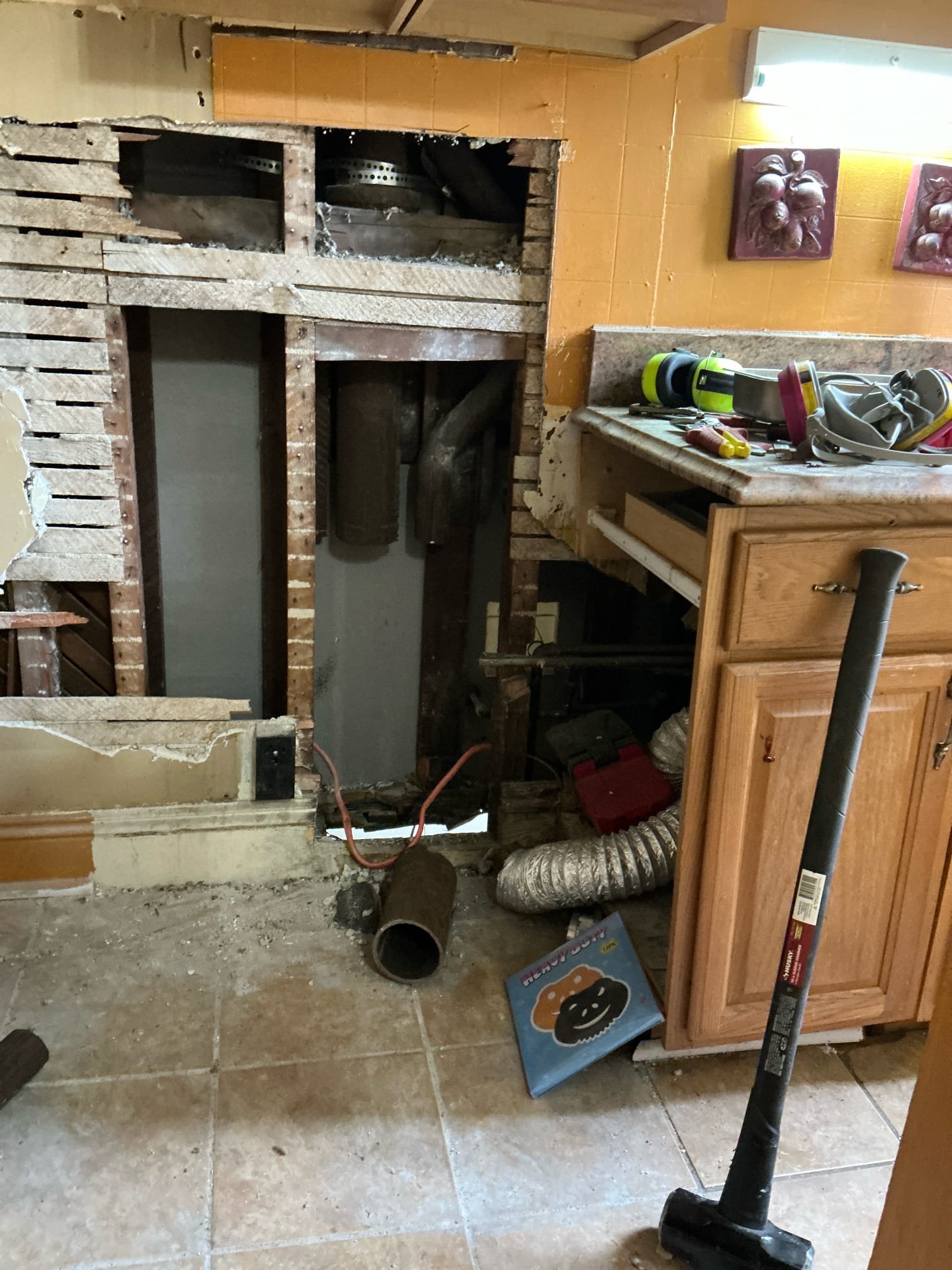
Accessing the stack. This may involve opening sections of wall, ceiling, or closet to reach the full length of the pipe.
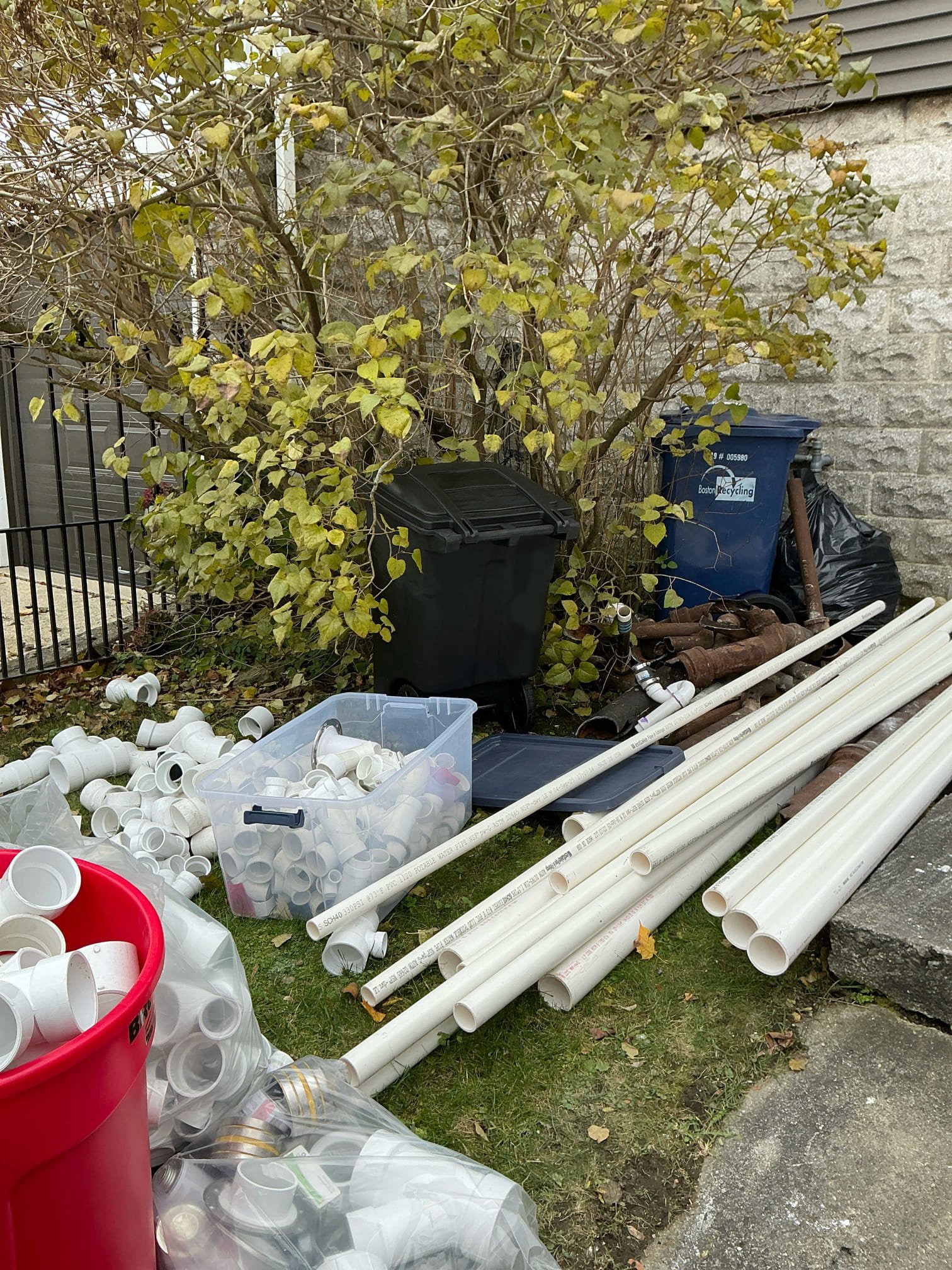
Removing old cast iron. The old stack is cut out in sections, often from top to bottom, with care taken to protect surrounding finishes as much as possible.
Installing new piping. New drain and vent piping, often PVC or other approved material, is installed in place of the old plumbing stack and properly supported.
Connecting fixtures and vents. All horizontal branches are reconnected, vent terminations are checked, and everything is brought up to current code.
Testing and cleanup. The system is filled and tested for leaks, and the work area is cleaned up so you are ready for any needed wall or ceiling repairs.
For a homeowner, the goal is simple: a safe, reliable, code-compliant system that stops leaks and odors.
Why Work With a Local, Licensed Plumber
Plumbing stack replacement is not a DIY project. Working with a licensed, fully insured Boston-area plumber means:
Your stack and vent system are sized and installed to meet Massachusetts plumbing code.
Cast iron, PVC, and mixed materials are joined correctly.
Drains and vents are sloped and supported.
You have a clear explanation of options, pricing, and timing before work begins.
At Boston Budget, we focus on providing high-quality plumbing work with a customer-first approach, treating your home like our own and offering fair pricing with clear communication.
If you are seeing warning signs around your plumbing stack, getting an honest inspection from a local expert is the best next step.
Protect Your Home By Paying Attention To Your Plumbing Stack
When you recognize the early warning signs of plumbing stack trouble, you can step in before leaks, odors, and repeated backups turn into major repairs. If something does not seem right with your drains, walls, or basement around your plumbing stack, reach out to a licensed professional so you can protect your home and restore peace of mind.
Need help from a local plumbing company you can count on? Call us today at (617) 644-0012 to schedule your plumbing service ASAP.
Boston Budget is a locally owned plumbing, heating, and cooling company proudly serving homeowners in Boston, Quincy, Dorchester, Weymouth, and the surrounding communities. We specialize in boiler maintenance, heating repairs, and energy-efficient HVAC upgrade designed to keep your home safe, comfortable, and affordable, especially during harsh New England winters. With reliable service, transparent pricing, and fast response times, Boston Budget is your trusted local choice for plumbing and heating solutions.


