
Ductless Mini-Split Installation: How Many Air Handlers Do I Need?

Not sure how many air handlers you need for your ductless mini-split installation?
If you live on the top floor of a Boston triple-decker, you know the pattern. The downstairs stays manageable, the middle floor does okay, and the upstairs bedroom turns into a heat trap by late afternoon.
That’s where a lot of ductless mini split installation calls start. The home has no existing ductwork, the owners don’t want to tear open walls for central air, and they need something more precise than one window unit fighting the whole house.
In older Greater Boston homes, mini-splits make sense because they let you cool the spaces that need it. They also work well in additions, finished attics, sunrooms, and bedrooms that never seem to match the rest of the house.
Why Boston Homeowners Are Choosing Ductless Mini-Splits
A ductless mini-split has two main parts: an outdoor condenser and one or more indoor air handlers, often called heads. Those indoor units are what deliver heating or cooling to specific rooms or zones.
That zoning is the part many homeowners end up liking most. You’re not trying to force one temperature across a house that was built long before central air was common.
Where they fit well in Boston homes
Older Boston-area housing stock creates a few repeat problems:
Third-floor overheating: Upper floors in triple-deckers and Colonials hold heat.
No ductwork: Installing full central air can mean major disruption.
Room-by-room comfort issues: A home office, nursery, or primary bedroom needs different settings than the rest of the house.
Additions and finished spaces: These rooms often never got tied into the original heating and cooling setup properly.
Mini-splits solve a lot of that without a large renovation. They’re especially attractive where preserving finished walls, trim, plaster, or older framing matters.
Ductless systems can eliminate the energy losses that account for over 30% of energy consumption in central air systems with ductwork in unconditioned spacing, which is a big reason more homeowners are considering them for utility savings and targeted comfort.
Tip: In a Boston house, the best HVAC setup is often the one that works with the building you have, not the one that assumes your house was built yesterday.
Wall-mounted systems are the most common format in the market, which tracks with what works in local homes. They’re compact, they don’t take up floor space, and they usually fit the practical realities of retrofitting older rooms.
If you want a broader look at equipment options, layouts, and local planning considerations, this complete ductless heat pump guide for Boston property owners is a useful next read.
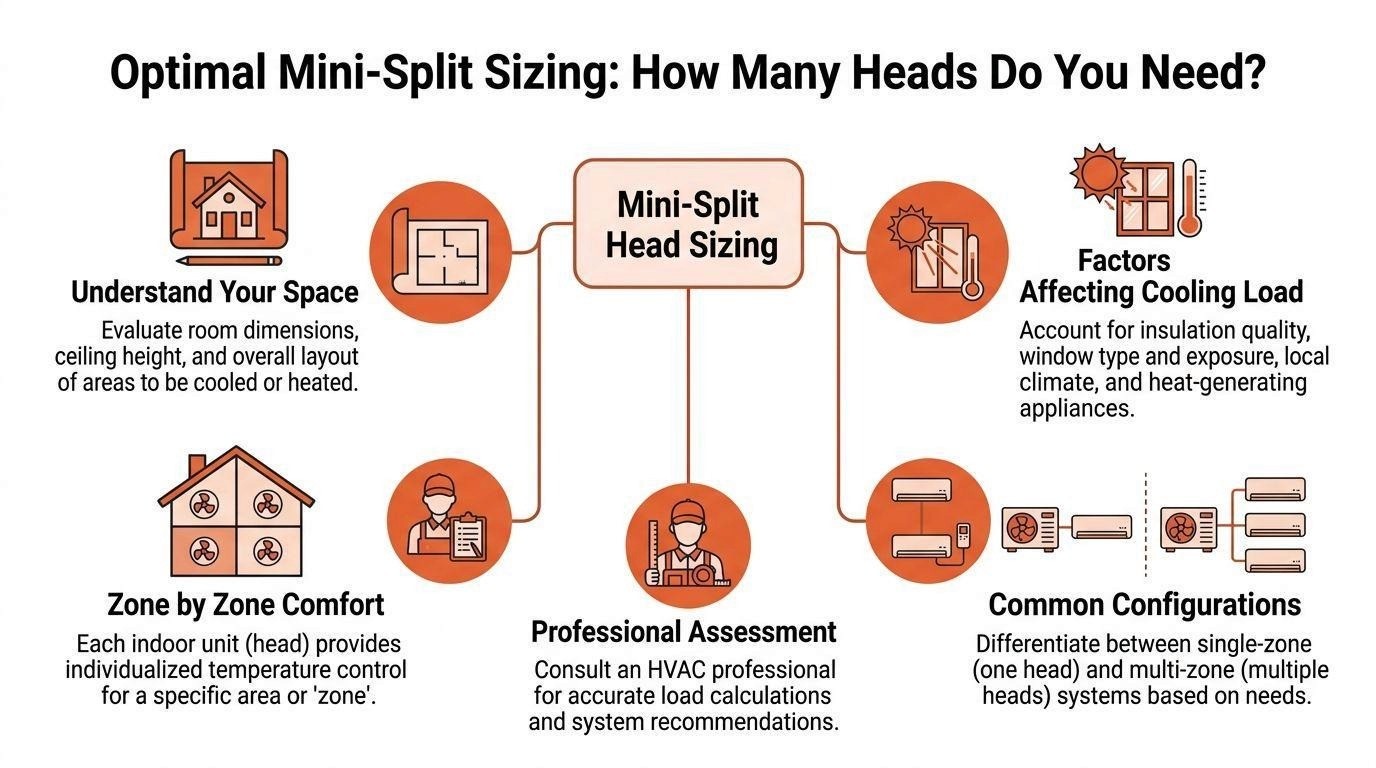
How Many Mini-Split Heads Do You Really Need
A South Boston triple-decker with a boiler in the basement often creates the same question. The first floor feels fine off the radiators, the top bedroom bakes in July, and the rear office is cold in winter because the old enclosure was never balanced right. In that house, head count should follow the problem rooms and the way the boiler already covers the rest.
That is the part generic sizing advice misses in Greater Boston. A ductless system in an older home rarely replaces every piece of existing heat on day one. Many homeowners are adding cooling, taking pressure off an older boiler, and creating a few controlled zones where the house has always struggled.
Start with the rooms that need their own zone
Square footage matters, but room separation matters more.
A mini-split head serves a zone well when air can circulate and the room usage matches the control strategy. Closed bedroom doors, strong afternoon sun, kneewall attic spaces, and rear additions push the design toward more zoning. Open connected spaces often do not.
Typical patterns we see:
One head may be enough for an open living, dining, and kitchen area, a finished attic, or a single large addition
Two to three heads often fit an upstairs level where bedrooms have different exposures or one room gets used as an office
More heads may make sense in homes with chopped-up floor plans, several closed doors, or one or two rooms that run far different from the rest of the house
A bedroom over the driveway in January does not behave like a sunny front bedroom in August. In a house with steam or hot-water radiators, that difference matters even more because the boiler may already handle baseline winter heat while the mini-split is there to fine-tune comfort and cover shoulder seasons.
Why the load calculation changes the answer
Head count should come from a room-by-room load calculation, not a guess based on floor count or online BTU charts.
Manual J looks at the heat loss and heat gain in each space. In older Boston homes, that can swing a lot from one room to the next because insulation levels, window condition, air leakage, and ceiling geometry are rarely consistent. A front room with old double-hungs and western exposure may need different capacity than a same-size rear room with better shading.
The design process usually includes:
Room dimensions and layout: Long rooms, chopped-up plans, and stair openings affect air movement
Ceiling height and rooflines: Cape bedrooms and finished attics are common problem areas
Window and insulation conditions: Two similar rooms can have very different loads in a 100-year-old house
Sun exposure: Corner rooms and west-facing rooms usually need more cooling attention
How the room is used: Offices, kitchens, and bedrooms do not place the same demand on the system
Newer digital HVAC design tools can improve load calculation speed and consistency when used alongside established sizing methods such as Manual J, which is one reason professional system design is more precise than old rule-of-thumb sizing.
Common Boston layout examples
Some layouts come up again and again during ductless and central AC installation planning in Boston homes.
Home layout | What often works |
Open first floor in a Colonial | One properly placed head often covers the main living area well |
Three separate upstairs bedrooms | Two or three zones may be justified if doors stay shut and sun exposure differs room to room |
Triple-decker top unit | Living area and primary bedroom often need separate treatment |
Finished attic | Usually works best as its own zone because roof heat gain changes the load |
Rear addition over a kitchen | Often needs a dedicated head because it behaves differently from the original structure |
Where homeowners get tripped up
The most common mistake is trying to make one oversized head serve rooms it cannot reach. Air does not turn corners well, and it does not push down a hallway the way people expect.
Placement trade-offs matter. A head hidden for appearance can end up in a poor airflow location. Putting all capacity into the main living room can leave the room everyone sleeps in uncomfortable. In boiler homes, another mistake is sizing the mini-split as if the radiators do not exist, or the reverse, assuming the boiler will always carry every winter load even if the homeowner wants the heat pump to do more.
A better rule is simple. Count closed doors, sun load, and stubborn comfort complaints first. Then size each zone around how the house is lived in, and around what the boiler is still expected to do.
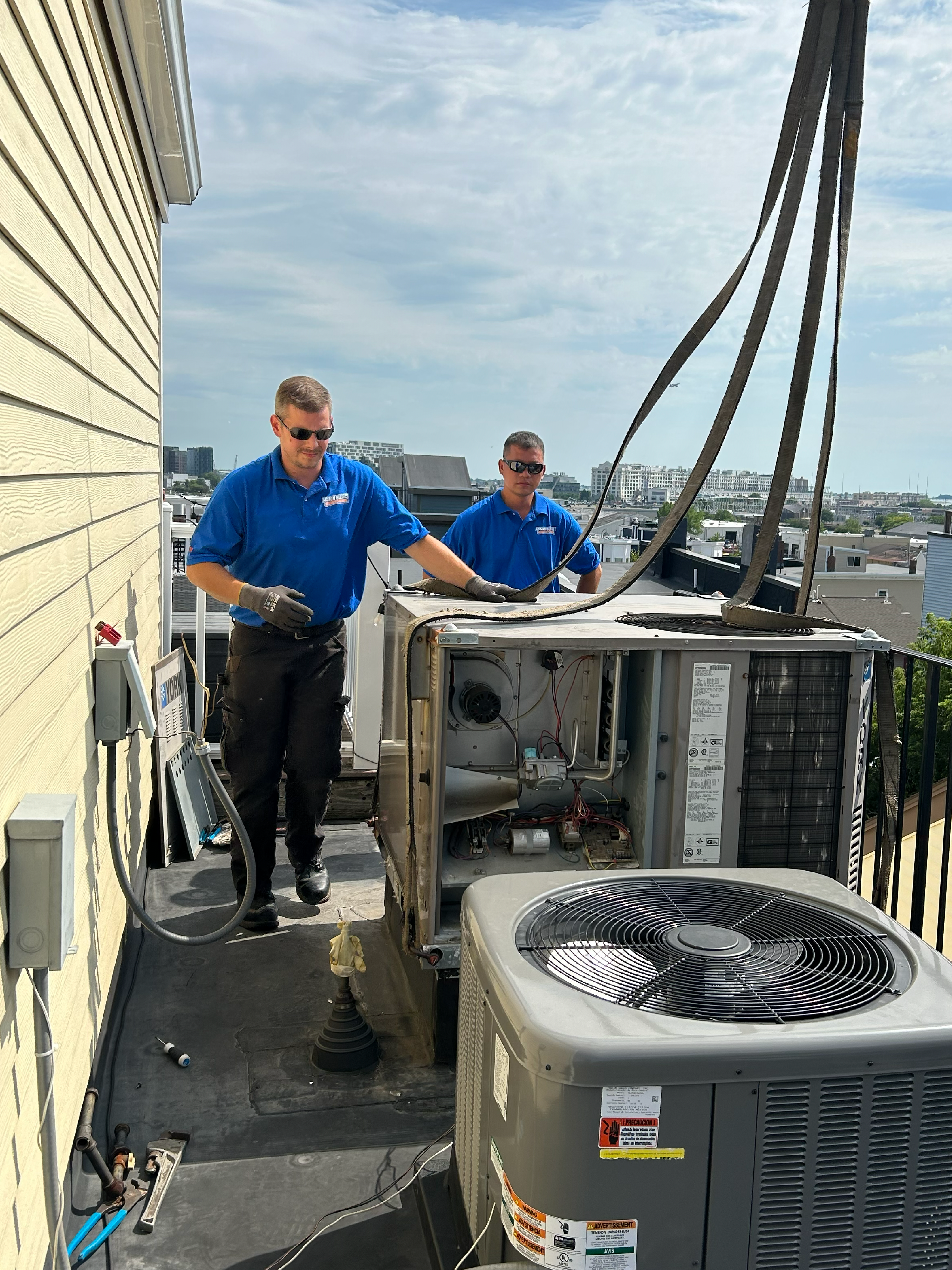
A Look Inside a Professional Ductless Mini Split Installation
It is a familiar Boston call. The house has a good boiler, no ductwork, plaster walls, and one room that turns into an oven every July. Homeowners usually ask the same question next. How disruptive is the install, and what separates a clean job from one that causes problems later?
The answer is in the details you do not see once the covers are on.
Indoor unit placement has to work with the house
Head placement is not just about appearance. In older Boston homes, we are usually working around crown molding, radiator piping, settled framing, and wall surfaces that are less forgiving than new drywall.
A careful installer checks four things before the bracket goes up. The wall has to support the unit properly. The head has to sit level so condensate drains the way it should. The air needs a clear path into the room. The line set and drain need a route that does not leave the job looking patched together.
That matters more in boiler homes. If a room already has a radiator under the window, the mini-split head has to be located so it cools effectively in summer and still makes sense during shoulder-season heating, when the boiler and heat pump may both be part of the plan.
The wall opening is small. The consequences of doing it poorly are not.
The opening for the line set, control wire, and drain has to be drilled with the right pitch so water does not work back toward the house. The wall penetration and piping route need to support proper condensate drainage and protect the tubing and wiring as they pass to the exterior.
In a 1920s or 1930s Boston house, that step can get tricky fast. Plaster over lath, old insulation, hidden blocking, and previous remodel work all change where and how we drill. Good installers plan the exit point before they touch the wall, because the outside of the home matters. Line-hide should look intentional, and penetrations should be sealed cleanly against weather and pests.
A solid line-set route usually has these traits:
A direct run where possible: Shorter, cleaner routes are easier to protect and service.
Proper support outdoors: The piping should not sag, rub, or hang loosely against siding.
A drain path that keeps flowing: Condensate has to leave the unit consistently.
Respect for older finishes: Trim, masonry, porch roofs, and historic details should not be chewed up to save time.
The refrigerant work is where professional standards show up
A mini-split can look neat on the wall and still be installed poorly.
The hidden part of the job is pressure testing, evacuation, flare work, and commissioning. Installation guidance calls for evacuating the piping with a vacuum pump and confirming the system reaches the specified vacuum level before opening the service valves. That step removes air and moisture from the system, which protects performance and compressor life.
On better installs, technicians do not rush that process. They test the connections, verify the vacuum holds, and make sure the charge is released only after the line set is proven tight. Field experience is essential here. Poorly made flares, kinked copper, sloppy drain routing, and loose electrical connections are the problems that create callbacks.
What install day usually looks like
For many single-zone systems, the work is completed in one day. Multi-zone jobs or installations in older homes often take longer. Installation time depends on factors such as the number of indoor units, equipment location, and how difficult it is to run refrigerant lines and electrical connections.
A professional crew should protect floors, control dust, explain where equipment is going, and walk you through startup before leaving. In boiler homes, they should explain how the new system fits into the house you already have, especially if you are trying to balance summer cooling, shoulder-season heating, and Mass Save planning. If you want to see what that process looks like in practice, our ductless and central AC installation service page gives a clear picture of the work involved.
Hybrid Comfort Integrating Mini-Splits with Your Boiler
A lot of Boston homeowners don’t want to replace a boiler that still heats the house well. They just want relief from summer heat, and maybe a more flexible shoulder-season heating option.
That’s where a hybrid setup makes sense. The mini-split handles cooling and can help with milder weather, while the boiler stays in place for the colder stretches of a New England winter.
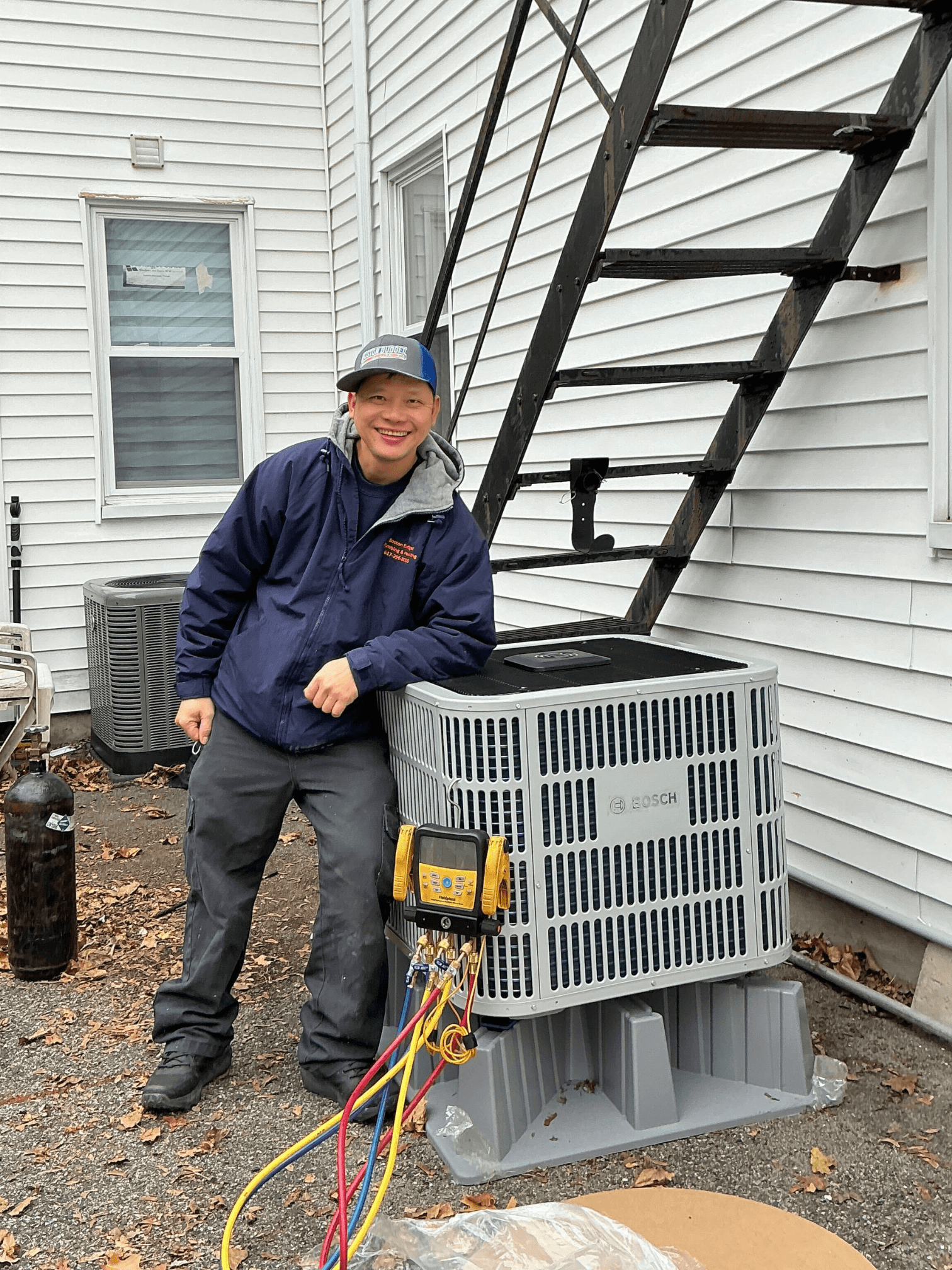
Why this matters in older Greater Boston homes
Many generic HVAC articles talk like every home starts with forced-air ductwork. That’s not how much of Greater Boston is built.
A significant gap in typical HVAC guides is integration with existing hydronic or steam boiler systems, which are present in many New England homes. In that kind of hybrid setup, improper zoning can increase energy use, while a correct installation can help secure Massachusetts rebates for qualifying heat pumps.
What a smart hybrid design looks like
The best hybrid systems are deliberate. They don’t just add wall units wherever there’s open space.
A good plan usually considers:
Which rooms need cooling most: Upper bedrooms, offices, and attic spaces are common priorities.
What the boiler already does well: Steam and hydronic systems often provide steady winter comfort.
Shoulder season use: Mini-splits can handle a lot of spring and fall work comfortably.
Electrical readiness: Older panels and circuits may need review before adding equipment.
Local experience is important here. Tight attic runs, finished plaster walls, radiator locations, and older service panels affect the final design.
Where homeowners go wrong
The most common mistake is thinking the mini-split and boiler are separate decisions. In reality, they affect each other.
For example:
Putting a head in the wrong room can create uneven comfort.
Overserving one part of the house can leave another relying too heavily on the boiler.
Poor control strategy can make the system feel confusing instead of helpful.
In an older Boston home, the best answer is often “add cooling without undoing what already works.”
If your home already depends on radiators, baseboard, or steam heat, it helps to work with a contractor who understands both sides of the system. This boiler repair and maintenance page is relevant for homeowners weighing whether to keep the boiler as part of a hybrid approach.
How to Choose the Right HVAC Contractor in Boston
A Boston homeowner usually starts with price. After a few mini-split jobs in older Dorchester, Roslindale, and Somerville houses, I can tell you the better question is how the contractor plans to make the system work with the house you already have, especially if that house still relies on a boiler.
That matters more in Greater Boston than a lot of online guides admit. In an older home, the mini-split installer is not just hanging heads and setting an outdoor unit. They are deciding how refrigerant lines get through plaster walls, where condensate will drain, whether the electrical service can support the equipment, and how the new cooling system will coexist with steam or hot-water heat if you want a hybrid setup and are looking at Mass Save rebate requirements.
Ask how they size and design the system
A contractor should spend time in the house. If the visit feels rushed, or the recommendation comes out before anyone has looked closely at the rooms, that is a problem.
Ask these questions and listen for specific answers:
How are you determining the number of zones for this layout?
Are you doing a room-by-room load calculation, or just sizing from square footage?
How will line sets be routed without making the exterior of the house look patched together?
What electrical work might be needed with my current panel?
How will condensate be drained from each indoor unit?
How will this system be set up alongside my boiler in winter and shoulder seasons?
One more point that gets missed. Ask who is handling permits and who is coordinating the electrical work. In Boston-area retrofits, loose ends between trades are where schedules slip and costs creep up.
Know what drives price
Mini-split quotes vary because the work varies. A clean single-zone job in a straightforward room is one thing. A multi-zone install in a century-old house with plaster, limited chase access, and an older electrical panel is another.
Good estimate costs usually break the price into parts you can understand:
What affects cost | Why it changes the quote |
Single-zone vs. multi-zone | More indoor units mean more refrigerant piping, wiring, drain routing, and startup time |
Home layout | Finished plaster, tight corners, and difficult outdoor placement add labor |
Electrical upgrades | Older panels or limited circuit capacity can require added work before the system can be installed |
Mounting location | Wall, floor, or ceiling placement changes labor and material needs |
Line length and drainage path | Longer runs and tricky condensate routing take more planning and more time |
Boiler integration planning | Hybrid setups require better control strategy so the two systems do not fight each other |
A useful quote should explain those choices clearly. If one proposal is much lower than the others, find out what was left out. Sometimes that means no electrical allowance, no condensate pump where one is clearly needed, or no real plan for how the mini-splits and boiler will share the workload.
Look for local fit, not just availability
Older Boston homes punish generic installation habits. Triple-deckers, attached homes, and older Colonials have quirks that change the job. We have seen clean installations in newer homes turn into awkward line-set runs and drainage problems when the same approach gets forced onto a house built long before central air was common.
Look for a contractor who understands plaster walls, narrow side yards, snow exposure around outdoor units, and working in occupied multifamily buildings. Boiler knowledge matters. If you are keeping radiators or baseboards for part of the year, the installer should be able to explain when the mini-splits carry the load, when the boiler takes over, and how that choice affects comfort, operating cost, and rebate planning.
Boston Budget Plumbing, Inc. handles mini-split installation as part of its residential and light commercial heating and cooling work in Greater Boston, which is relevant if you want one company that also understands older boilers, plumbing, and the practical realities of local retrofits.
Also confirm that the contractor is properly licensed and insured for the work involved. Permit requirements vary by city and town, so either the contractor or your local building department should confirm what applies at your address.
After Your Installation Keeping Your System Running Smoothly
A new system doesn’t stay efficient on autopilot. Mini-splits are reliable when they’re used correctly and maintained consistently.
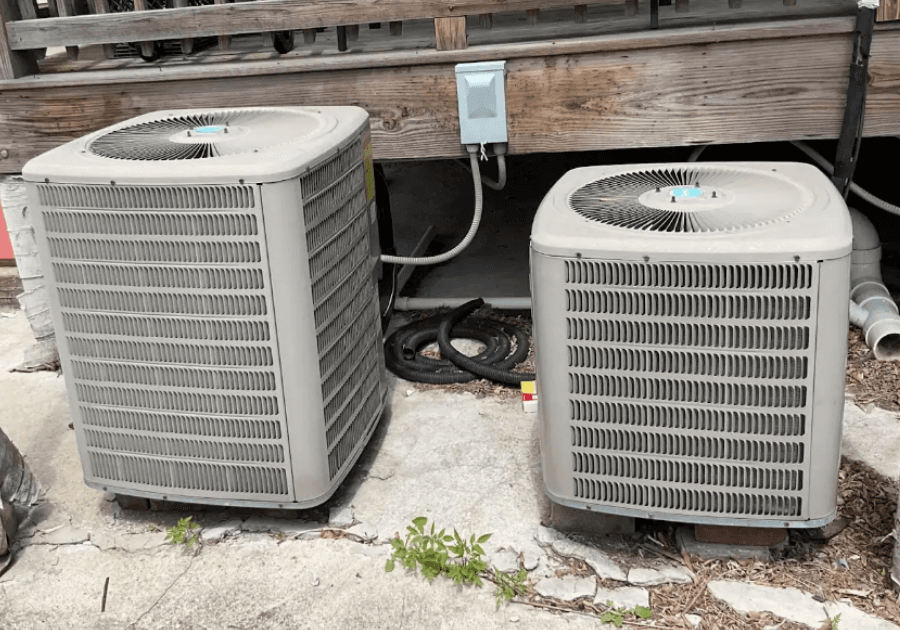
What you should do yourself
The biggest homeowner task is simple: keep the filters clean.
Monthly filter cleaning is a key DIY task, and it’s one of the easiest ways to protect airflow and day-to-day performance. Don’t wait until the unit looks dusty from across the room.
A practical routine:
Check filters monthly: More often if you have pets, renovation dust, or heavy summer use.
Keep the indoor head unobstructed: Don’t block airflow with furniture or curtains.
Watch the outdoor unit: Keep obvious debris and overgrowth away.
Pay attention to changes: Strange sounds, weak airflow, or water where it shouldn’t be are worth a call.
The issue that confuses homeowners most
Multi-zone systems often generate service calls because of control settings, not hardware failure.
Service calls for user errors such as mode mismatches are on the rise, which is a good reminder that homeowners need a real handoff after installation, not just a remote left on the counter.
If a mini-split suddenly “stops working,” check the mode settings across every connected head before assuming there’s a mechanical fault.
Why professional maintenance still matters
Homeowners can handle filters. They shouldn’t be expected to handle refrigerant diagnostics, deep coil cleaning, condensate issues, or system calibration.
Bi-annual professional tune-ups can extend a mini-split’s life. That matters in Boston, where shoulder-season swings, heavy summer use, and older home conditions can stress a system in ways the brochure never mentions.
A proper maintenance visit can catch:
Drainage issues before they become water damage
Refrigerant problems before performance drops hard
Dirty coils or blocked airflow that drag efficiency down
Control and communication faults that confuse system operation
If you're planning a ductless mini split installation in Greater Boston, or trying to figure out how many heads your home really needs, Boston Budget can help you evaluate the layout, existing heating system, and installation constraints before you commit to equipment. Call or text (617) 644-0012 to schedule service.
Boston Budget is a locally owned plumbing, heating, and cooling company proudly serving homeowners in Boston, Quincy, Dorchester, Weymouth, and the surrounding communities. We specialize in boiler maintenance, heating repairs, and energy-efficient HVAC upgrade designed to keep your home safe, comfortable, and affordable, especially during harsh New England winters. With reliable service, transparent pricing, and fast response times, Boston Budget is your trusted local choice for plumbing and heating solutions.


