A Homeowner's Guide To Heat Pump Maintenance
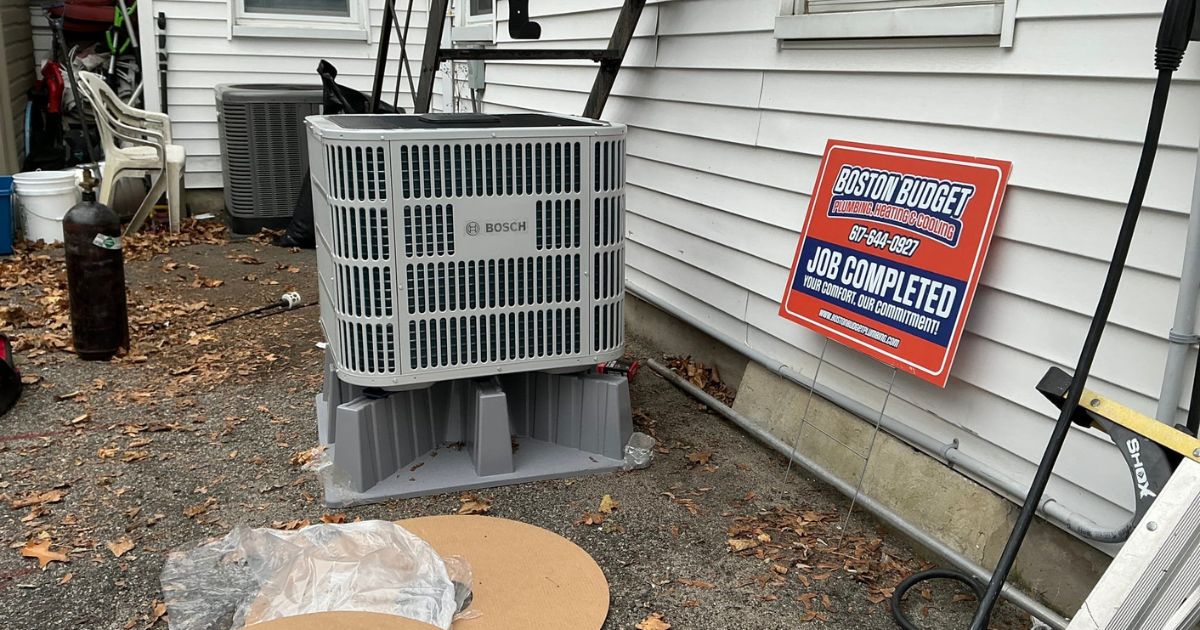
Regular heat pump maintenance is the single most effective way to protect your investment and make sure your system runs reliably for years to come. It’s a mix of simple tasks you can do yourself and an annual professional tune-up that work together to prevent breakdowns, lower your energy bills, and get the most life out of your unit.
Why Regular Heat Pump Maintenance Is A Smart Investment
For Boston homeowners, a heat pump is a major upgrade for year-round comfort and energy efficiency. Making sure it gets routine maintenance is one of the smartest financial decisions you can make to protect that investment. This isn’t just about wiping down the unit once in a while; it’s about preserving its performance, avoiding a surprise breakdown during a nor'easter, and maximizing the life of your entire system.
A small annual tune-up prevents that gradual, quiet loss of performance that can secretly inflate your utility bills month after month. It's an essential strategy for a climate like ours, where your system has to switch between intense heating and cooling demands.
Preserving Efficiency and Lowering Costs
A well-maintained heat pump simply runs better. When its coils are clean, refrigerant levels are correct, and all the mechanical and electrical parts are working in harmony, the system uses less electricity to do its job. If you let that care slide, it has a direct financial consequence.
According to some industry sources, skipping maintenance can lead to a significant drop in efficiency, which translates directly into higher utility bills every single month. Actual savings and performance depend on your home, how you use your system, and current energy rates. It's no surprise the global HVAC maintenance services market is valued so highly, as homeowners and businesses worldwide understand that professional upkeep is a priority for preserving function and value.
Extending System Lifespan
A properly cared-for heat pump can last 15-20 years. Without regular maintenance, though, that lifespan can be cut nearly in half. During a tune-up, a good technician can spot and fix minor issues, like a worn belt or a corroded electrical connection, before they snowball into a catastrophic failure that leaves you in the cold.
Think of it like this: an annual maintenance visit is a comprehensive health check for the system that keeps your home comfortable and your wallet healthier. It’s a small, predictable expense that helps you avoid a much larger, unexpected replacement cost down the road.
The Value Of Annual Heat Pump Maintenance
Maintenance Aspect | Benefit Of Regular Maintenance | Consequence Of Neglect |
Efficiency | Operates closer to peak factory ratings, helping keep utility bills low. | Potential for significant efficiency loss, leading to higher energy costs. |
Lifespan | Can last 15-20 years with consistent professional care. | Lifespan can be cut nearly in half; premature replacement. |
Repair Costs | Catches small issues before they become major, expensive failures. | Minor problems escalate, leading to emergency repairs and system failure. |
Air Quality | Clean filters and coils reduce dust, allergens, and mold growth. | Dirty components circulate dust and can promote mold. |
Comfort | Delivers consistent, reliable heating and cooling year-round. | Uneven temperatures, poor performance, and surprise breakdowns. |
Warranty | Helps keep your manufacturer's warranty valid. | May void warranty coverage, leaving you to pay for certain repairs. |
Ultimately, investing a small amount in annual service is an insurance policy against much bigger headaches. It’s the key to getting the performance, savings, and longevity you expected when you chose a heat pump in the first place.
Maximizing Your Mass Save Benefits
Many Boston-area homeowners use programs like Mass Save to help pay for high-efficiency heat pumps. But the savings these programs promise are based on the assumption that the unit operates as designed.
Regular maintenance ensures your heat pump continues to meet its high-efficiency ratings, allowing you to actually see the full financial and environmental benefits of your upgrade.
Your Seasonal Heat Pump Maintenance Checklist
Here in Boston, with our four very distinct seasons, your heat pump is a year-round workhorse, flipping from heating to cooling to keep your home comfortable. The best way to keep it running reliably is to give it a little attention each season. A few quick checks can head off bigger problems and keep your system in great shape between professional tune-ups.
Spring Maintenance: Getting Ready for Cooling Season
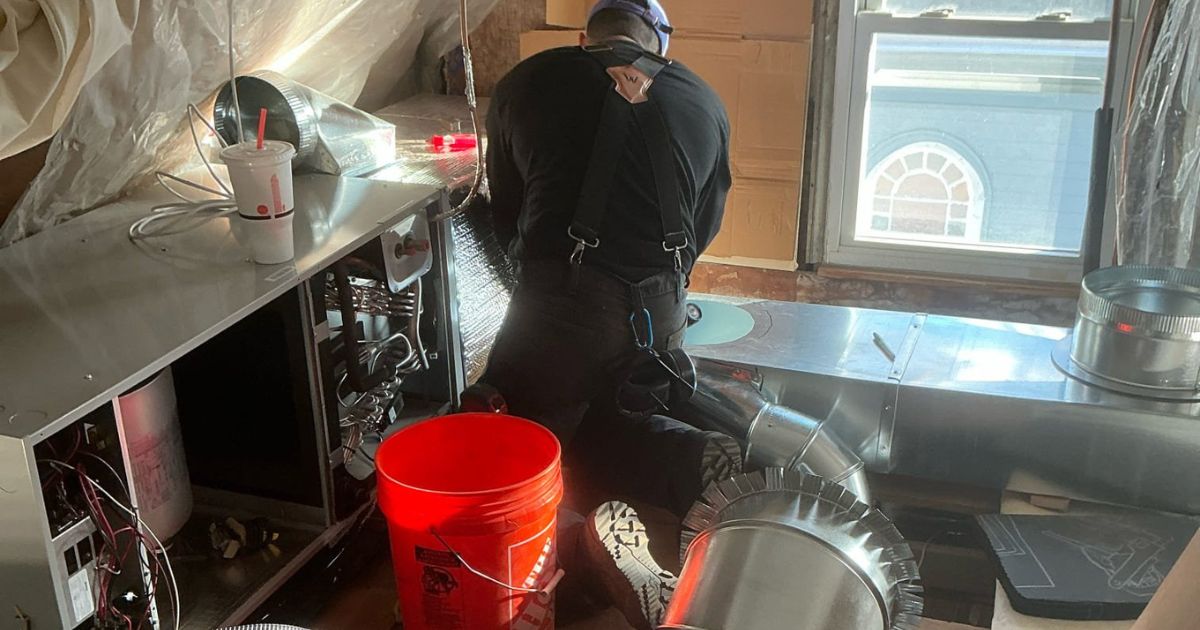
Once the threat of a late-season Nor'easter finally fades and you can feel the humidity starting to creep in, it’s time to prep your heat pump for summer. These spring tasks are all about reversing winter's effects and getting your system ready for efficient cooling.
Clear Debris from the Outdoor Unit: Winter storms love to leave a mess of leaves, twigs, and grime around your outdoor condenser. Gently clear away anything that’s collected on the top and sides. Make sure you have at least two feet of clearance all around the unit. Good airflow is non-negotiable for the system to shed heat effectively.
Check That the Unit Is Level: The freeze-thaw cycle of a Massachusetts winter can make the ground, and the concrete pad your heat pump sits on, shift a bit. If the unit isn't level, it puts extra stress on the refrigerant lines and can cause the compressor's internal parts to wear out way too soon. Grab a level to check the pad; if you notice a serious tilt, it’s best to call a pro.
Inspect the Condensate Line: In cooling mode, your heat pump pulls a surprising amount of humidity out of your indoor air. That moisture has to go somewhere, and it drains out through a condensate line. Before the truly sticky days hit, find where this little PVC pipe ends (usually near your foundation or indoor unit) and make sure it's not clogged with dirt or algae. A clog can cause water to back up, leading to water damage or an automatic system shutdown.
Fall Maintenance: Prepping for Heating Season
When the air gets that crisp autumn bite and you start eyeing the thermostat, it's time to shift your focus. These fall checks will make sure your heat pump is ready to handle the long slog of a Boston winter.
A neglected system might only last 10 years. With a little regular maintenance, that number can easily climb to 20 years or more.
Clear Away Falling Leaves: Just like in the spring, autumn has its own brand of debris. Keep the area around your outdoor unit free of falling leaves and other yard gunk. A thick blanket of wet leaves can basically suffocate your system, restricting airflow and forcing it to work much harder to pull heat from the cold air.
Switch the System to "Heat" Mode: Don't wait for the first real cold snap to find out there's a problem. Test the heating function ahead of time. Just flip your thermostat to "heat" and set the temperature a few degrees above what it is in the room. Let it run for 10-15 minutes to make sure it's actually producing warm air.
Don't panic if you notice a faint burning smell the first time you turn on the heat. This is almost always just dust burning off the indoor coil's supplemental heating elements. If the smell is strong or sticks around, however, turn the system off and call for service.
Observe the Defrost Cycle: On a cold, damp day, take a peek at your outdoor unit. It's totally normal for a light layer of frost to form on the coils. Your heat pump has a built-in defrost cycle to melt this off. But if you see the unit looking like it’s encased in a block of ice, that’s a red flag. It means the defrost cycle isn't working right and needs a professional to take a look.
These seasonal checks are a fantastic way to stay on top of your system's health. Just a few minutes of proactive care each season can save you from a costly emergency call and keep your home comfortable all year long.
DIY Maintenance You Can Do And When To Stop
Think of regular heat pump maintenance as a partnership. While your HVAC technician handles the heavy lifting and complex tune-ups, there are a few simple but powerful tasks you can do yourself. Taking on these small jobs is one of the best ways to keep your system running smoothly and prevent minor issues from turning into major, expensive problems.
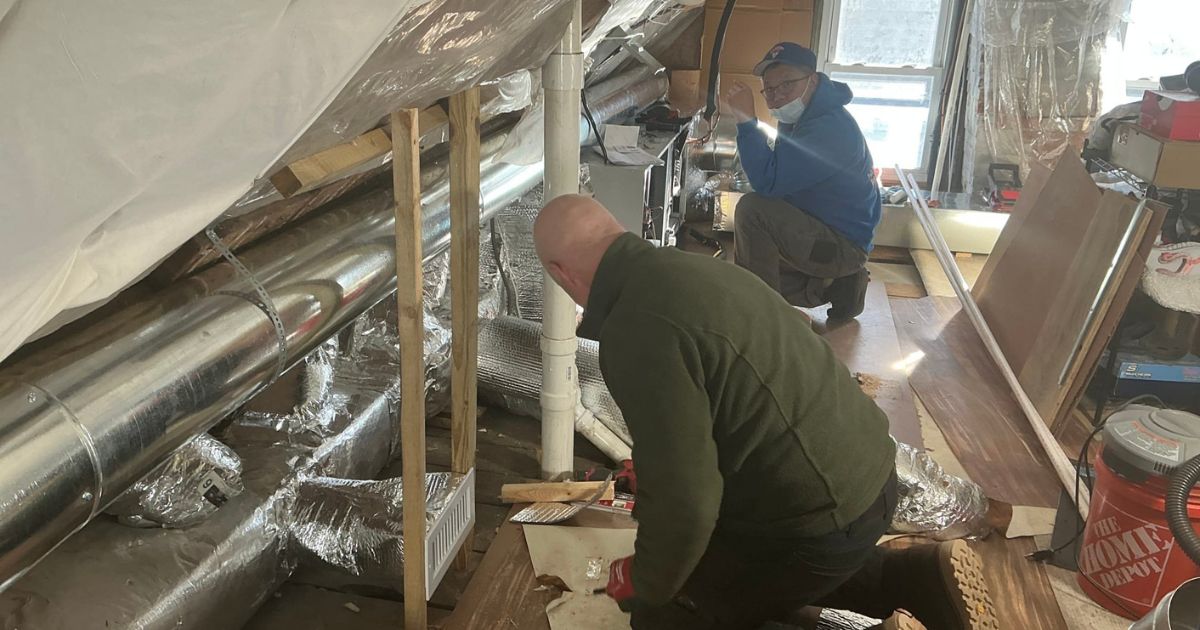
Getting comfortable with a bit of DIY knowledge not only saves you a service call fee but also helps you understand how your system works. Let’s walk through what you can safely tackle and, just as importantly, where to draw the line.
Clean Or Replace Your Air Filters
This is, without a doubt, the single most important maintenance task you can perform. The air filter in your indoor unit is the first line of defense against dust, pollen, and other gunk floating around your home. When it gets clogged, it’s like asking your heat pump to breathe through a thick blanket.
A dirty filter forces the fan motor to work overtime, which drives up your energy bills and puts a ton of strain on the whole system. Before you know it, that restricted airflow can cause coils to freeze over or the system to overheat, leading to a complete breakdown.
Frequency: Check your filters every month. If you have pets, smokers, or live near a busy Boston street, you’ll probably need to clean or replace them even more often.
How to do it: Most ductless mini-split units have washable filters. Just pop open the front panel, slide the filters out, wash them gently with lukewarm water, and let them dry completely before sliding them back in. For central systems, you’ll just replace the old disposable filter with a new one of the exact same size.
This simple task is especially critical for maintaining the efficiency of your system. Dirty filters are a common cause of poor performance and can significantly increase energy use, which can wipe out the very savings you expect from a high-efficiency unit.
Keep The Outdoor Unit Clear
Your outdoor unit, often called the condenser, needs plenty of room to breathe. Its job is to exchange heat with the outside air, and it can’t do that if it’s smothered by leaves, snow, or overgrown bushes.
Before you touch the outdoor unit, you must turn off the power. Find the electrical disconnect box, it's usually a metal box mounted on the side of your house near the unit. Open the lid and either pull out the disconnect block or flip the switch to "OFF." For total safety, it's also a good idea to turn off the corresponding breaker in your main electrical panel.
Once you’re sure the power is off, you can:
Clear away leaves, twigs, and grass clippings from the top and sides.
Gently hose down the exterior fins to rinse away dirt and pollen. Use a regular garden hose nozzle, not a high-pressure washer, which can easily bend the delicate aluminum fins.
Make sure there are at least two feet of clearance on all sides of the unit.
Check The Condensate Drain Line
In cooling mode, your heat pump pulls a ton of moisture from the air. This water collects and flows out of your home through a small pipe called the condensate drain line. If that line gets clogged with algae and grime, water can back up, potentially causing water damage inside your home or tripping a safety switch that shuts your system down.
A quick visual check is all you need. Find where the pipe exits your home (it’s usually a small PVC pipe near the foundation) and make sure it’s dripping freely when the AC is running on a humid day. If you suspect a blockage, you can often clear it with a wet/dry vac at the outdoor end of the line.
Pouring a cup of distilled vinegar down the condensate line from the indoor unit's access point every few months can help prevent algae and sludge from building up in the first place.
DIY Task Vs Professional Service: When To Make The Call
Knowing the difference between a simple cleaning task and a job that needs a pro is key to staying safe and protecting your equipment. While DIY is great for saving money on the small stuff, some issues require a licensed technician with specialized tools and training. This table breaks down where to draw the line.
Task | DIY Safe? | Call A Pro If... |
Filter Cleaning/Replacement | Yes | You can't locate the filter or are unsure of the correct size. |
Clearing Outdoor Unit Debris | Yes | The unit is making loud noises or the fins are badly damaged. |
Thermostat Check | Yes | The screen is blank, unresponsive, or shows an error code. |
Hosing Down Outdoor Coils | Yes | The coils are caked with grime that a hose won't remove. |
Condensate Line Check | Yes | You see water leaking indoors or the line is severely clogged. |
Refrigerant Handling | No | You suspect a leak (hissing sound, poor cooling). |
Electrical Component Repair | No | You hear buzzing, see frayed wires, or the breaker keeps tripping. |
Internal Mechanical Repairs | No | You hear grinding, squealing, or banging from inside the unit. |
Ultimately, if a task involves opening up panels (other than the filter cover), handling electrical wires, or dealing with refrigerant, it's time to call a professional. At Boston Budget, our team is always ready to step in when a problem goes beyond basic upkeep.
Knowing When To Call A Professional
While these DIY tasks are incredibly helpful, there’s a clear line you shouldn’t cross. Some jobs carry a real risk of personal injury or serious damage to your system if you don’t have the right training and licenses.
Never attempt to handle:
Refrigerant Issues: Handling refrigerant is not a DIY job. It requires special certification and tools, and an incorrect charge can completely destroy your compressor.
Electrical Work: Beyond shutting off the power at the disconnect, leave all wiring, capacitor replacements, and other electrical checks to a licensed technician. A mistake can lead to electric shock or a fire.
Internal Mechanical Repairs: If you hear grinding, squealing, or loud banging noises, that’s a clear sign of an internal failure. Don’t open up the unit; call us for a diagnosis.
Deep Coil Cleaning: While you can rinse the outdoor coils, a true deep cleaning with chemical solutions should be done by a pro to avoid damaging the components.
If you have a ductless system, our complete ductless heat pump guide for Boston property owners offers more specific insights into their unique maintenance needs.
What Happens During a Professional Tune-Up
Ever wondered what a technician actually does during a maintenance visit? It’s a lot more than a quick glance and a filter change. Think of it as a comprehensive health check for the most important comfort system in your home, designed to catch problems before they leave you without heat during a Boston cold snap.
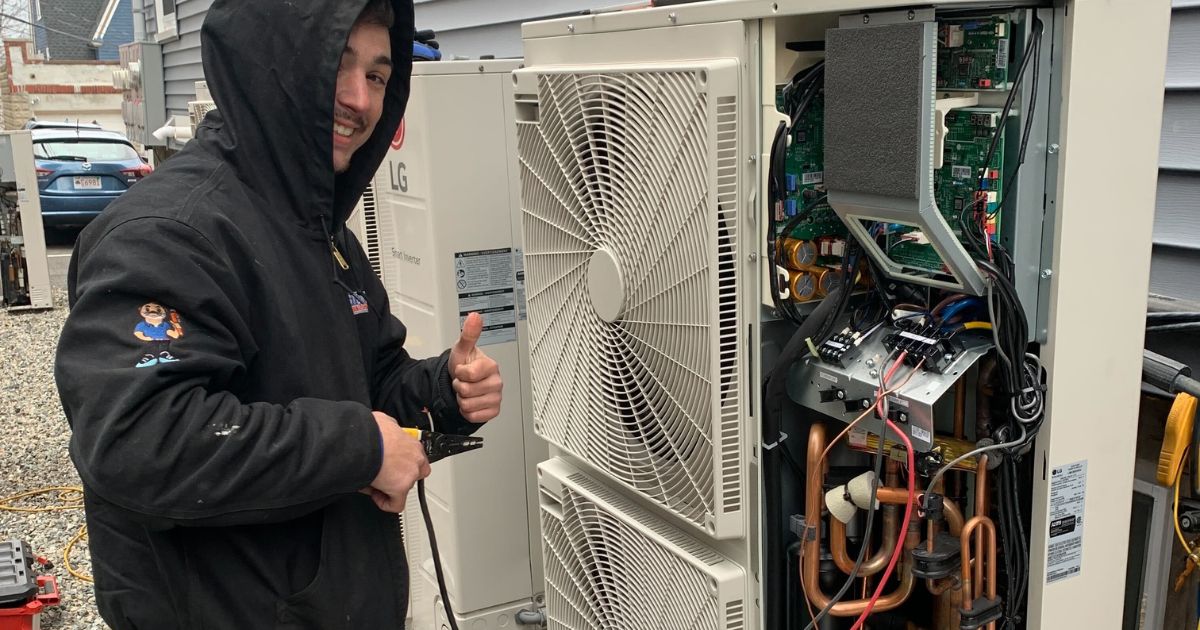
When our licensed technician arrives for a heat pump maintenance visit, they follow a detailed checklist. Each step is there to boost performance, ensure safety, and spot wear and tear that could lead to a breakdown. It's proactive service that saves you a lot of stress and money down the road.
The Electrical and Mechanical Inspection
Safety and reliability start with the electrical components. These parts work hard all year, and something as simple as a loose or corroded connection is a leading cause of system failure and a potential fire hazard.
Our technician will:
Inspect and Tighten Electrical Connections: This means checking all the wiring, capacitors, and relays. A single loose wire can cause a component to overheat and fail prematurely.
Lubricate Motors and Bearings: Moving parts like fan motors need proper lubrication to reduce friction and keep from seizing up. This simple step can dramatically extend the life of these expensive parts.
Check and Test Capacitors: Start and run capacitors give your heat pump’s motors the jolt of energy they need to get going. A weak capacitor can lead to startup failure, and our techs can measure its performance and replace it before it leaves you stranded.
The Core Performance and Efficiency Check
This is where the tune-up directly impacts your energy bills. Using specialized tools, a technician can see how well your system is actually doing its main job: moving heat.
A professional tune-up is the best way to uncover hidden inefficiencies. According to the U.S. Department of Energy, regular maintenance helps maintain efficiency, lower operating costs, and prevent mid-season failures. You can find more about the market trends influencing these systems and learn more from industry research on the heat pump market.
Key performance checks include:
Checking Refrigerant Levels: Refrigerant is the lifeblood of your heat pump. If the charge is too low (which points to a leak) or too high, your system can't heat or cool effectively. It will just run constantly, wasting energy. This is not a DIY task and must be handled by a licensed professional.
Deep Cleaning Coils: While hosing down your outdoor unit is helpful, a technician uses specialized, fin-safe cleaners to remove the stubborn grime that builds up on both the indoor and outdoor coils. Clean coils are absolutely essential for efficient heat transfer.
Inspecting the Blower Assembly: The blower is what moves conditioned air into your home. A technician will clean the blower wheel and check the motor to ensure you’re getting strong, consistent airflow.
Final Calibrations and System Checks
The final steps of a tune-up make sure all parts of the system are talking to each other correctly and are ready for the season. For example, a miscalibrated thermostat can cause the system to run too often or not enough, leading to discomfort and high bills.
During this phase, the technician will calibrate the thermostat, check the condensate drain for clogs that could cause water damage, and run a full system test in both heating and cooling modes. This confirms everything is working in harmony.
This thorough process is exactly why professional heat pump maintenance is so valuable. For more on how our team can help, take a look at the details on our heat pump services. We make sure every component is inspected, cleaned, and calibrated for peak performance.
Your Heat Pump Maintenance Questions, Answered
Even after covering the basics, homeowners in the Boston area often have a few more specific questions about keeping their heat pumps in top shape. We get it. These are the most common ones we hear, with clear answers straight from our experience in the field.
Does the Mass Save Program Require Regular Tune-Ups?
While Mass Save may not have a strict mandate forcing you to service your heat pump every year, it’s highly encouraged. Think of it this way: the whole point of a Mass Save rebate is to help you install high-efficiency equipment that lowers your energy use.
A poorly maintained heat pump can lose a significant percentage of its efficiency. That loss completely undermines the investment you made and the whole purpose of the rebate program.
Regular maintenance is what ensures your system keeps operating at the high-efficiency levels that qualified it for the rebate in the first place. You wouldn't buy a high-performance car and then skip the oil changes, right? Neglecting maintenance is the fastest way to lose the very savings you were promised.
What's a Typical Cost for a Tune-Up in the Boston Area?
The cost for a professional heat pump tune-up in the Greater Boston area can vary, but most homeowners can expect to pay somewhere between $150 and $350. The final price tag usually comes down to a few key factors.
Here’s what influences the cost of heat pump maintenance:
Company and Technician Experience: A more experienced, licensed, and insured company might have a higher rate, but it comes with the peace of mind that the job will be done correctly and safely. You're paying for expertise, not just a visit.
System Complexity: A single-zone ductless mini-split is simpler and faster to service than a large, multi-zone central ducted system. More complex systems naturally take more time and effort.
Repairs Found During the Visit: The tune-up fee covers the inspection, cleaning, and calibration. If the technician finds a part that needs to be replaced, like a weak capacitor or a failing motor, the cost of that part and the labor to install it would be an additional charge.
Always ask for a clear breakdown of what’s included in the maintenance plan. A quality tune-up is a thorough, multi-point inspection, not just a quick filter change. It’s an investment that pays for itself by preventing expensive repairs and keeping your energy bills from creeping up.
Keep Your Heat Pump Running Strong All Year
At Boston Budget, we make it easy to stay ahead of breakdowns. If it’s time for your annual tune-up or you have questions about your system, our licensed and experienced team is here with transparent, budget-conscious service you can trust.
Call Boston Budget to book your appointment today.
Boston Budget is a locally owned plumbing, heating, and cooling company proudly serving homeowners in Boston, Quincy, Dorchester, Weymouth, and the surrounding communities. We specialize in boiler maintenance, heating repairs, and energy-efficient HVAC upgrade designed to keep your home safe, comfortable, and affordable, especially during harsh New England winters. With reliable service, transparent pricing, and fast response times, Boston Budget is your trusted local choice for plumbing and heating solutions.


