How Can Air Conditioning Maintenance Help Keep My Home Comfortable All Summer?
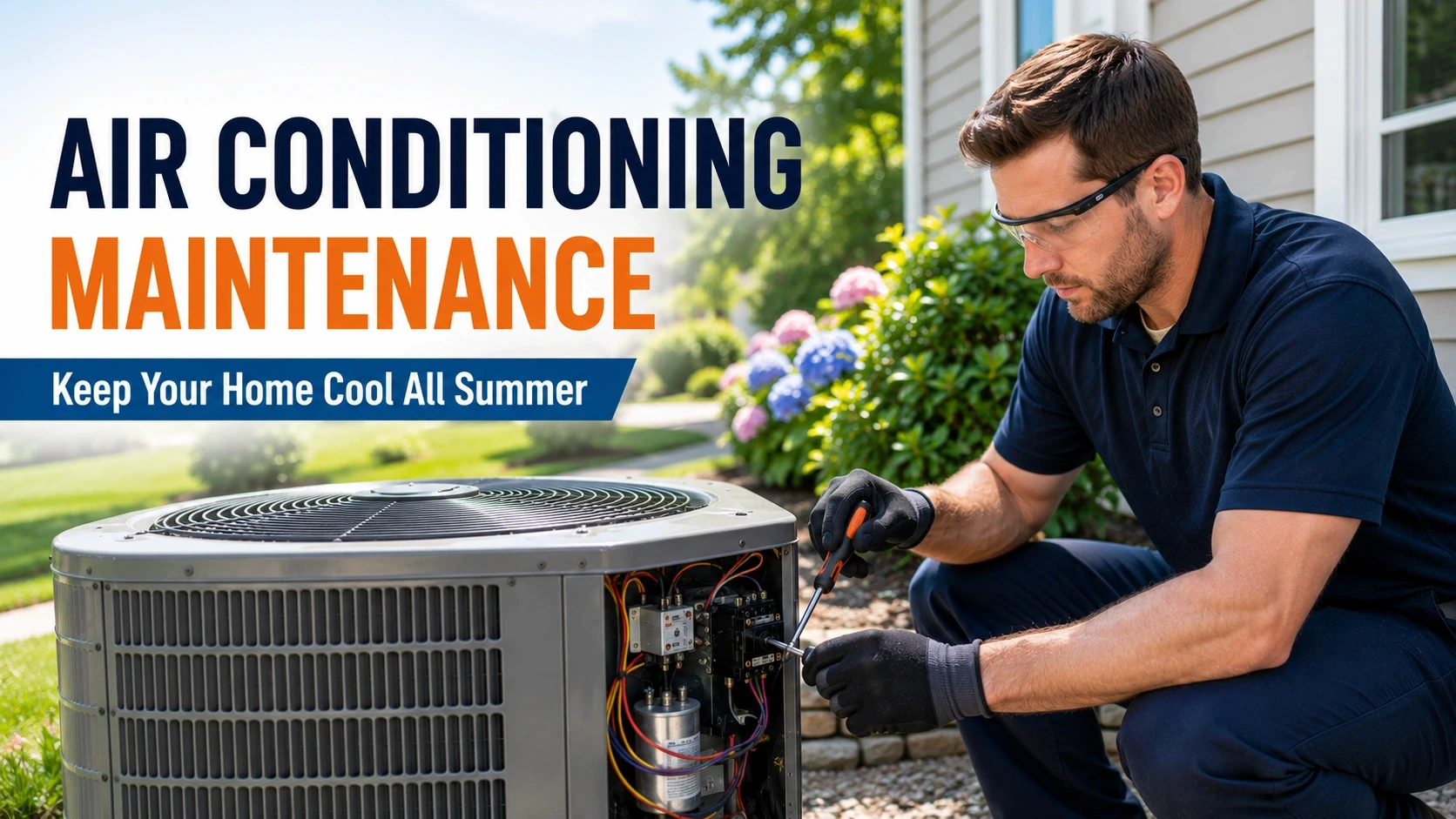
Your air conditioner works harder than most homeowners realize.
During a typical New England summer, your cooling system may operate for hundreds of hours while maintaining comfortable temperatures throughout your home. On the hottest days, it may run continuously for long periods as it works to remove heat and humidity.
Like any mechanical system, that constant operation creates normal wear over time.
Unfortunately, many homeowners don't think about their air conditioner until something goes wrong.
The system stops cooling.
The house feels humid.
Energy bills suddenly increase.
Or the equipment fails during one of the hottest weekends of the year.
The good news is that many of these problems are preventable.
Routine air conditioning maintenance helps identify developing issues before they become emergency repairs while keeping your system operating efficiently throughout the cooling season.
Whether your home has a central air conditioner, ductless mini-split, or heat pump, preventative maintenance is one of the best ways to protect your investment and enjoy reliable comfort all summer long.
Why Is Air Conditioning Maintenance Important?
Your air conditioner contains dozens of components working together to cool your home.
Fans circulate air.
Coils transfer heat.
Electrical components control operation.
Refrigerant removes heat from inside your home.
When one component begins to wear or operate inefficiently, the entire system is affected.
The equipment may continue cooling for weeks or even months while gradually becoming less efficient.
Homeowners often don't notice these changes until comfort declines or utility bills increase.
Routine maintenance helps identify these small issues before they develop into larger problems.
Instead of waiting for an unexpected breakdown, homeowners can schedule repairs when they are more convenient and often less expensive.
Benefits of Routine Air Conditioning Maintenance
Professional maintenance can help:
Improve cooling performance.
Reduce energy consumption.
Extend equipment life.
Improve indoor comfort.
Reduce humidity.
Lower the likelihood of emergency repairs.
Improve airflow throughout the home.
Help identify worn components before failure.
For Boston and South Shore homeowners, preventative maintenance is especially valuable because cooling systems often sit unused for several months before working hard during the summer.
Identifying issues before temperatures rise helps ensure your system is ready when you need it most.
Section Summary
Air conditioning maintenance helps improve reliability, efficiency, and comfort by identifying developing problems before they lead to unexpected breakdowns or expensive repairs.
What Happens During an Air Conditioning Maintenance Visit?
Many homeowners assume maintenance consists of changing an air filter and checking whether the system turns on.
A professional maintenance visit is much more comprehensive.
The objective is to evaluate the entire cooling system, confirm safe operation, improve efficiency, and identify any developing mechanical or electrical issues.
Although every system is different, most professional air conditioning maintenance visits include several important inspections and service tasks.
Air Filter Inspection
Clean air filters are essential for proper airflow.
Restricted airflow forces the air conditioner to work harder while reducing cooling performance.
Depending on the type of filter and household conditions, replacement intervals may vary throughout the year.
Replacing dirty filters helps improve system efficiency while supporting healthier indoor air quality.
Condenser Coil Inspection and Cleaning
The outdoor condenser unit releases heat removed from your home.
Leaves, pollen, grass clippings, and dirt gradually accumulate around the coils.
Dirty coils reduce heat transfer, forcing the system to consume more electricity while producing less cooling.
Cleaning the condenser helps restore proper airflow and improve efficiency.
Refrigerant Inspection
Refrigerant is responsible for removing heat from your home's indoor air.
If refrigerant levels are low, the system may cool poorly, run longer than necessary, or freeze over.
Rather than simply adding refrigerant, technicians inspect the system for signs of leaks that may require repair.
Electrical Component Inspection
Air conditioners contain numerous electrical components that experience wear during normal operation.
Maintenance commonly includes inspection of:
Capacitors
Contactors
Electrical wiring
Safety controls
Voltage readings
Amperage readings
Identifying electrical issues early often prevents unexpected equipment failures during peak summer temperatures.
Drain Line Inspection
As your air conditioner removes humidity, condensation must drain safely away from the system.
Blocked condensate drains can cause:
Water leaks
Overflow protection shutdowns
Moisture damage
Mold concerns
Routine cleaning helps keep the drainage system operating properly.
Thermostat Testing
The thermostat serves as the control center for your cooling system.
Technicians verify:
Accurate temperature readings
Proper cycling
System communication
Cooling operation
Fan operation
Proper thermostat performance helps maintain consistent comfort while preventing unnecessary system operation.
How Often Should My Air Conditioner Be Serviced?
Most residential air conditioning systems should be professionally serviced once each year, ideally during the spring before the cooling season begins.
Scheduling maintenance before consistently warm weather arrives allows technicians to identify developing issues while there is still time to make repairs before your system is needed every day.
Waiting until the first heat wave often means:
Longer scheduling delays
Increased demand for emergency service
Greater stress on aging equipment
Higher likelihood of unexpected breakdowns
Preventative maintenance helps ensure your system is prepared before summer temperatures place it under its greatest workload.
Why Spring Is the Best Time for Maintenance
Spring maintenance offers several advantages.
Your air conditioner has likely been inactive for several months.
During that time, debris may have accumulated around the outdoor unit, filters may need replacement, and electrical components may have experienced normal aging.
A spring inspection allows technicians to verify that the system starts properly, cools efficiently, and is ready for the months ahead.
If repairs are needed, homeowners typically have greater scheduling flexibility before the busy summer season begins.
Homes That May Need More Frequent Maintenance
Although annual maintenance is appropriate for most homes, some systems benefit from more frequent inspections.
Examples include:
Homes with multiple pets
Homes located near heavy pollen or construction
Older HVAC systems
Homes with high daily cooling demands
Vacation properties that sit unused for extended periods
Homes using heat pumps for both heating and cooling
Your HVAC contractor can recommend an appropriate maintenance schedule based on your equipment, usage patterns, and the age of the system.
Section Summary
Annual maintenance before summer provides the best opportunity to prepare your air conditioner for New England's cooling season. Homes with heavier HVAC usage or older equipment may benefit from additional inspections throughout the year.
What Happens If I Skip Air Conditioning Maintenance?
Many homeowners skip maintenance because their air conditioner still appears to be cooling properly.
Unfortunately, HVAC equipment often continues operating while efficiency slowly declines.
Problems that could have been corrected during a routine inspection frequently become much larger and more expensive repairs later.
Preventative maintenance isn't simply about avoiding breakdowns.
It's about reducing unnecessary wear that occurs every day the system operates inefficiently.
Higher Utility Bills
One of the earliest signs of neglected maintenance is increasing energy consumption.
Dirty coils.
Restricted airflow.
Low refrigerant.
Worn electrical components.
All of these conditions force your air conditioner to work harder to maintain the same indoor temperature.
Over the course of a Boston summer, those additional operating costs can become significant.
Reduced Cooling Performance
If your home takes longer to cool than it did in previous years, maintenance may be overdue.
Neglected systems often struggle to:
Maintain consistent temperatures
Remove indoor humidity
Deliver adequate airflow
Cool second-floor rooms effectively
Many homeowners assume the equipment is simply getting old when, in reality, routine maintenance can often restore much of its original performance.
Increased Risk of Summer Breakdowns
Emergency air conditioning repairs almost always occur during the hottest weather.
That's when systems experience their greatest workload.
Components that have been weakening for months finally reach the point of failure.
Unfortunately, those failures often happen during periods when HVAC contractors are busiest, resulting in longer wait times for service.
Routine maintenance significantly reduces the likelihood of these inconvenient breakdowns.
Shorter Equipment Life
Replacing a central air conditioning system is a major investment.
The better your equipment is maintained, the longer it is likely to provide reliable service.
While maintenance cannot prevent normal aging, it helps reduce unnecessary strain on compressors, motors, capacitors, fans, and other critical components.
Many systems that receive consistent preventative maintenance continue operating reliably for years longer than poorly maintained equipment.
Section Summary
Skipping maintenance often results in higher utility bills, reduced cooling performance, increased repair costs, and a greater risk of equipment failure during the hottest part of the summer. Preventative maintenance helps homeowners avoid many of these common problems.
Can Air Conditioning Maintenance Lower Energy Bills?
In many homes, yes.
Although no HVAC contractor can guarantee specific energy savings, maintaining your air conditioner helps it operate as efficiently as possible.
When airflow is unrestricted and components are operating correctly, the system uses less energy to produce the same amount of cooling.
That means your equipment doesn't need to run as long or work as hard to maintain comfortable indoor temperatures.
Small Improvements Add Up
Efficiency losses often happen gradually.
A homeowner may never notice:
Slightly reduced airflow
Minor refrigerant loss
Dirty condenser coils
A blower motor working harder than necessary
Individually, each issue may seem insignificant.
Combined, they can noticeably increase cooling costs over the course of an entire summer.
Routine maintenance helps restore system performance before these small inefficiencies become larger operating expenses.
Better Humidity Control
Comfort isn't determined by temperature alone.
Humidity plays an equally important role.
A properly maintained air conditioner removes moisture more effectively, helping your home feel cooler even when thermostat settings remain the same.
Improved humidity control often allows homeowners to remain comfortable without lowering the thermostat unnecessarily, reducing cooling demand while improving indoor comfort.
Fewer Emergency Repairs
Another financial benefit of preventative maintenance is predictability.
Emergency repairs frequently involve:
After-hours service
Weekend scheduling
Expedited parts
Unexpected disruption
Routine maintenance shifts those repairs from emergency situations to planned service appointments whenever possible.
That allows homeowners to make informed repair decisions without the pressure of losing cooling during a heat wave.
Protecting Your Investment
Your air conditioner is one of the largest mechanical systems in your home.
Like your vehicle, it performs better and lasts longer when serviced regularly.
Preventative maintenance helps protect that investment by keeping the equipment operating safely, efficiently, and reliably throughout the cooling season.
Frequently Asked Questions
How often should my air conditioner be serviced?
Absolutely! We provide 24/7 emergency plumbing and HVAC services. No matter the time, you can count on us for a quick response to restore your system’s comfort and functionality.
What does air conditioning maintenance include?
Absolutely! We provide 24/7 emergency plumbing and HVAC services. No matter the time, you can count on us for a quick response to restore your system’s comfort and functionality.
Can air conditioning maintenance reduce energy bills?
Absolutely! We provide 24/7 emergency plumbing and HVAC services. No matter the time, you can count on us for a quick response to restore your system’s comfort and functionality.
Why isn't my air conditioner cooling my home properly?
Absolutely! We provide 24/7 emergency plumbing and HVAC services. No matter the time, you can count on us for a quick response to restore your system’s comfort and functionality.
Is annual maintenance really necessary if my air conditioner seems to be working?
Absolutely! We provide 24/7 emergency plumbing and HVAC services. No matter the time, you can count on us for a quick response to restore your system’s comfort and functionality.
How long should a central air conditioning system last?
Absolutely! We provide 24/7 emergency plumbing and HVAC services. No matter the time, you can count on us for a quick response to restore your system’s comfort and functionality.
Boston Budget is a locally owned plumbing, heating, and cooling company proudly serving homeowners in Boston, Quincy, Dorchester, Weymouth, and the surrounding communities. We specialize in boiler maintenance, heating repairs, and energy-efficient HVAC upgrade designed to keep your home safe, comfortable, and affordable, especially during harsh New England winters. With reliable service, transparent pricing, and fast response times, Boston Budget is your trusted local choice for plumbing and heating solutions.


