Signs of Poor Indoor Air Quality in Your Home (and How to Fix It)
Is poor indoor air quality affecting your health?
That stuffy feeling in your chest, that cough that just won’t quit, or those nagging headaches might not be seasonal allergies. It could be a sign that the air inside your Greater Boston home is dirtier than you think. We often worry about outdoor pollution, but the air in our living rooms can become a hidden source of contaminants, often far more concentrated than the air outside.
Is Your Home Making You Unwell?
Think of your home as a tightly sealed box. Without a good way for fresh air to get in and stale air to get out, everything from cooking fumes and cleaning product residue to dust and pet dander gets trapped. Over time, these pollutants build up, creating an unhealthy environment that can affect your family’s health and well-being.
This isn’t just a minor issue. The EPA has found that indoor air can be 2 to 5 times more polluted than outdoor air. For homeowners in the Boston area, that means older HVAC systems, plumbing leaks that cause dampness, or poorly ventilated basements could be silently worsening allergies or asthma.
Early Warning Signs of Poor Indoor Air Quality
Recognizing you have a problem is the first step. Your home often gives off subtle clues that the air isn't as clean as it should be. Paying attention to these signs can help you connect common household annoyances to the bigger picture of your home’s overall health.
You do not always need a fancy monitor to know something is off. Many of the most common signs are things you can see, smell, or feel yourself.
Quick Guide to Common IAQ Symptoms
Symptom Category | Common Signs to Watch For |
|---|---|
Physical Symptoms | Unexplained headaches, fatigue, dizziness, or nausea. Worsening allergies or asthma, especially indoors. Frequent sneezing, coughing, or sinus congestion. Dry, irritated eyes, nose, or throat. |
Household Signs | Persistent musty or stale odors that do not go away. Excessive dust buildup, no matter how often you clean. Visible mold or mildew, especially in basements or bathrooms. High humidity, condensation on windows, or a damp feeling in the air. |
If you're noticing a pattern of these issues, it is a strong signal that you should take a closer look at what is going on with your home's air.
Look out for these common indicators:
Lingering Odors: A persistent musty or stale smell that cleaning just cannot seem to fix is a classic sign of mold growth or a serious lack of fresh air.
Excessive Dust: Do you feel like you’re constantly dusting surfaces? Your HVAC system might be blowing fine particles around your home instead of filtering them out.
Visible Mold or Mildew: Any sign of mold, especially in damp areas like basements, bathrooms, or around leaky windows, is a major red flag for your indoor air.
High Humidity: If the air feels sticky and damp or you see condensation fogging up your windows, you have excess moisture. That creates the perfect breeding ground for mold, dust mites, and other contaminants.
If you spot these issues, it is time to investigate the source. Fixing them not only makes your home a more pleasant place to be, it is a critical step in protecting your family’s health.
What Causes Poor Indoor Air Quality?
To clear the air in your home, you first have to understand what’s polluting it. Sources of poor indoor air quality are often everyday items and activities, made worse by how our homes are built and maintained. Here in the Greater Boston area, with our mix of historic triple-deckers and modern, tightly sealed houses, specific culprits can easily turn your home into a trap for airborne contaminants.
Common Pollutant Sources in Boston Homes
Most pollutants found in a home fall into a few key categories. If you learn to spot them, you can start connecting the dots and figure out where your air quality issues really start.
Biological Pollutants: This is the stuff that grows and lives indoors. Think mold, mildew, dust mites, pet dander, and even pollen that gets tracked inside. In our region, a damp basement, a slow leak under a kitchen sink, or a bathroom without good ventilation creates the perfect humid breeding ground for mold.
Combustion Byproducts: Anything that burns fuel can release harmful gases into your home. This includes your furnace, boiler, water heater, gas stove, and even your fireplace. Carbon monoxide (CO) and nitrogen dioxide (NO2) are two serious concerns, especially if your appliances are old, not working properly, or are not vented properly to the outside.
Volatile Organic Compounds (VOCs): These are sneaky chemicals that "off-gas" into the air from a surprising number of products you bring home. That "new car" smell from new paint, carpeting, furniture, or even harsh cleaning supplies? That is VOCs. These invisible chemicals can irritate your eyes and throat and have long-term health effects.
The problem is bigger than just one house. Poor indoor air quality, especially when ventilation is insufficient, is a stealthy threat everywhere. For Boston homeowners, the problem gets worse during our cold winters, when we seal our homes up tight, trapping all those pollutants inside.
Your home's age and construction style play a huge role. Older homes might feel drafty, but they can also have outdated venting systems. Newer, energy-efficient homes can be so airtight that they trap pollutants unless you have a mechanical ventilation system to bring in fresh air.
In the end, all these sources can work together to tank your home's air quality. A leaky plumbing stack can create moisture that feeds mold (a biological pollutant), while a poorly maintained furnace (a combustion source) fails to filter out the spores, instead blowing them through every room in your house.
Understanding the Health Effects of Poor IAQ
The strange thing about poor indoor air quality is how quietly it can creep up on you. You might not notice it at first, but breathing polluted air day after day can take a real toll. Knowing the risks is not about causing alarm; it is about giving you the power to protect your family’s health.
For many people, the first clues are small, immediate issues that are easy to dismiss. Think of unexplained headaches, a nagging sense of fatigue, or constant irritation in your eyes, nose, and throat. If you find your allergies or asthma suddenly acting up indoors, that is a huge red flag that your home's air is the real problem.
The Long-Term Health Risks
While those immediate symptoms are a clear warning sign, the more serious damage from poor indoor air quality happens over the years of exposure. Breathing in airborne contaminants day after day can contribute to major health problems, which is why clean air is not just about comfort; it is an investment in your family’s future.
This hidden toll is like a slow-motion crisis. Certain indoor pollutants (like smoke, radon, or chronic mold/dampness) can increase the risk of serious health problems over time. Here in Boston, that could mean a faulty furnace leaking carbon monoxide, a damp basement spawning mold, or other unseen dangers that can lead to severe long-term health issues if you let them slide.
According to the U.S. Environmental Protection Agency (EPA), long-term exposure to certain indoor air pollutants can lead to the development of respiratory diseases, heart disease, and even cancer. This makes improving your home's air a proactive step toward a healthier future.
Who Is Most Vulnerable?
Everyone is affected by polluted air, but some people are at much higher risk of severe health effects from poor indoor air quality.
Children: Their respiratory systems are still developing, making them far more susceptible to pollutants.
Older Adults: Poor air can worsen pre-existing health conditions, and their bodies may have a harder time fighting off the effects.
Individuals with Asthma or Allergies: For them, contaminated air is a direct trigger for asthma attacks and allergic reactions.
People with Cardiovascular or Respiratory Conditions: Pollutants can place excessive strain on the heart and lungs.
If you are experiencing health symptoms you believe are related to indoor air quality, speak with a medical professional and address potential home safety issues immediately. When your concerns are serious, it is always smart to get medical advice.
Practical Ways to Improve Your Home's Air Quality
Ready to take on poor indoor air quality? The good news is you have a surprising amount of control over your home's environment. Many of the most effective fixes are simple, cost little, and can be put into action today to help your family breathe a little easier.
Think of these practical steps as your first line of defense. They work by tackling pollution at its source and helping your home clean its own air more effectively.
Control Pollutants at the Source
The easiest way to get cleaner air is to stop letting pollutants into your house in the first place. This really just comes down to being more mindful of everyday habits and the products you use.
Start by getting friendly with your exhaust fans. Flip on the fan over your stove every single time you cook to pull fumes and particles outside. Do the same with your bathroom fan: run it during and after every shower to vent out the steam and prevent mold from growing in the humid conditions it loves.
Next, pay attention to what you bring inside. When you can, opt for paints, furniture, and building materials that are labeled low-VOC (Volatile Organic Compound) or no-VOC. It is also a good idea to pick cleaning supplies with fewer harsh chemicals and fragrances, since those can fill the air with irritants.
Enhance Your Home's Ventilation
Even when you're careful, some pollutants are bound to build up. That is where ventilation comes in. It is the key to diluting those contaminants and removing them from your living space.
Fresh Air Exchange: Just opening your windows for 10 to 15 minutes a day can help dilute indoor pollutants, depending on outdoor conditions, even during a chilly Boston winter. This simple move lets stale, pollutant-heavy indoor air out and brings fresher outdoor air in.
Houseplants: Adding some greenery is a great, natural way to improve your home’s atmosphere. Houseplants may help a little and improve perceived comfort, but they’re not a substitute for ventilation/filtration.
Maintain Your HVAC System
Your heating and cooling system is the most powerful tool you have for cleaning your indoor air, but only if you keep it in good shape. A neglected HVAC unit can actually become a source of pollution itself.
The single most important job you can do yourself is to change the air filter regularly. A dirty, clogged filter cannot do its job, so dust, dander, and pollen keep circulating through your home. A clean filter, on the other hand, actively pulls those particles out of the air.
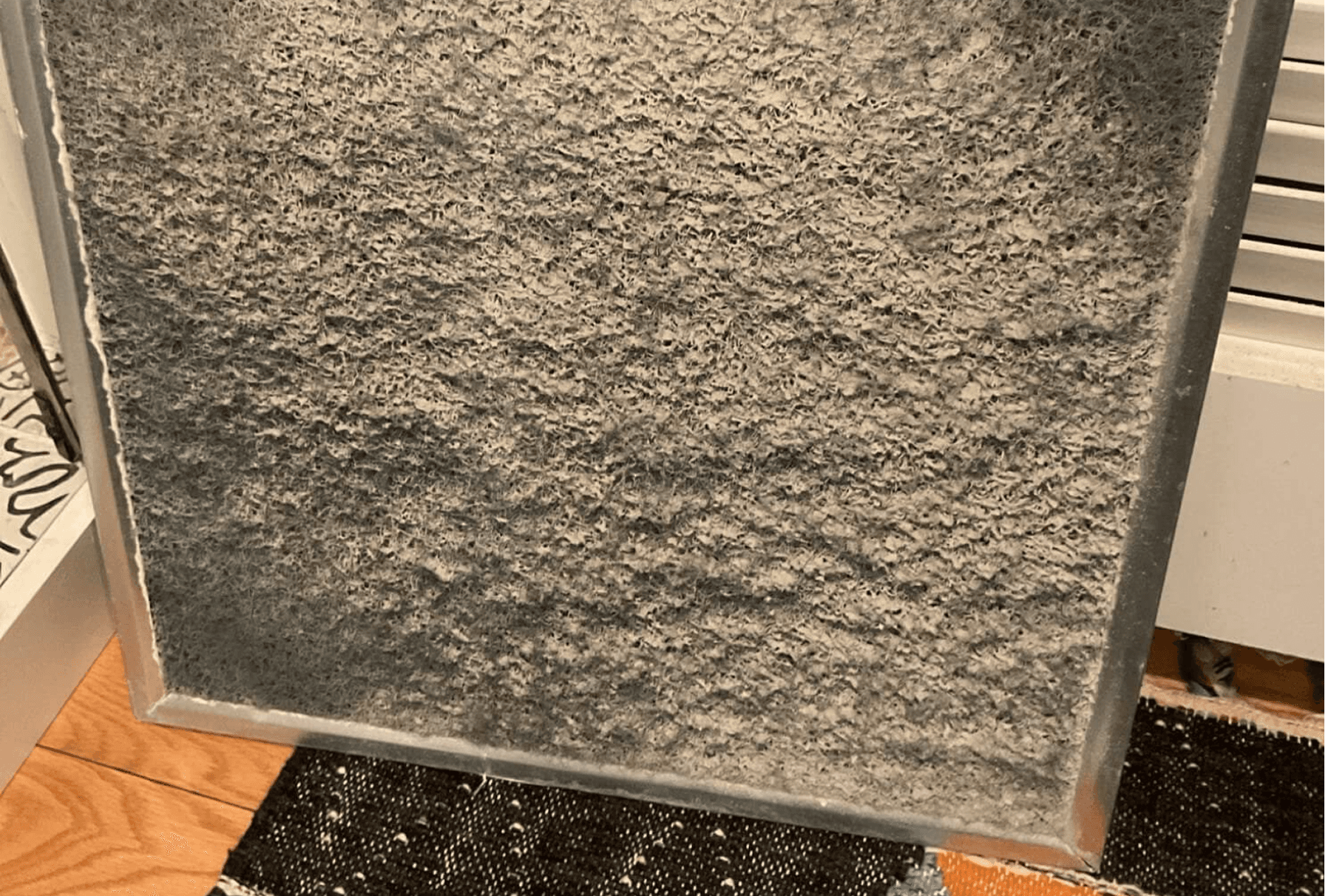
If you want a little more guidance, our team has put together a complete guide to HVAC maintenance that walks you through the essentials.
When DIY Fixes Are Not Enough
While changing filters, opening windows, and using your kitchen and bath exhaust fans can absolutely make a difference, some indoor air quality issues have roots that run much deeper. If you’ve tried all the basic steps but are still dealing with that lingering stuffiness, odd smells, or allergy symptoms, it is a strong sign that something more serious is happening behind your walls or inside your HVAC system.
Think of it this way: simple fixes are like treating the symptoms. But if the problem keeps coming back, you have not found the cause.
Signs That Point to a Deeper Problem
Pay close attention if your efforts just are not cutting it. These are the kinds of stubborn problems that usually need a licensed technician to properly hunt down and fix for good.
Persistent Musty Odors: If you’re constantly smelling a stubborn musty or earthy odor that you cannot pin down, it almost always points to hidden mold. This could be growing inside a wall from a slow plumbing leak, festering in your HVAC system’s drain pan, or hiding deep inside your ductwork where you cannot see it.
Ongoing Health Symptoms: Are your allergies, headaches, or respiratory irritation still flaring up, even though you’re keeping the house clean? When symptoms of poor indoor air quality do not improve with simple fixes, it means the source of the pollution is still active and has not been addressed.
Concerns About Combustion Appliances: This one is a big deal. If you have any worries about how your furnace, boiler, or water heater is running, that is not something to ignore. Any work on gas lines, boilers, or furnaces should be handled by a properly licensed professional. Any unusual noises, strange smells, or performance issues could be a red flag for improper ventilation, a serious safety issue that needs immediate professional attention.
Professional Diagnostics Are Key: A licensed technician does not just treat the symptoms; they find the source. Using specialized tools and years of experience, they can run tests to uncover the root cause, whether it's an air pressure imbalance, a hidden moisture problem, or an appliance that is not firing correctly.
Ignoring these warning signs means the core problem will only continue to drag down your home's air and your family's health. For homeowners concerned about the performance and safety of their heating system, our team offers expert furnace repair and air handler services to ensure everything is running correctly and safely. A professional diagnosis is the crucial next step toward a real, lasting solution.
Professional Solutions for Boston Homes
When you have tried the DIY basics and the air inside your home still feels stuffy, dusty, or just plain off, it is a sign that the problem runs deeper than a dirty air filter. For stubborn issues with poor indoor air quality, you often need professional-grade solutions to find and fix the source.
This is where our team at Boston Budget Plumbing, Heating & Cooling comes in. Our licensed technicians have the tools and training to go beyond the surface and figure out exactly what’s causing your home’s air problems, then map out a real, long-term fix.
Upgrading Your Home's Air Treatment Systems
Your home’s HVAC system is your single most powerful tool for managing indoor air. But when it isn't working properly, or is undersized or outdated, it can actually make things worse. We focus on a few key services that stop pollutants where they start and get clean air moving again.
Duct Cleaning and Sealing: Your ductwork is like the respiratory system of your house. If it's clogged with years of dust and debris, or if it's leaking, it is just circulating contaminants. Professional cleaning removes that buildup, while sealing gaps prevents dirty air from your attic, basement, or crawlspaces from entering your living room.
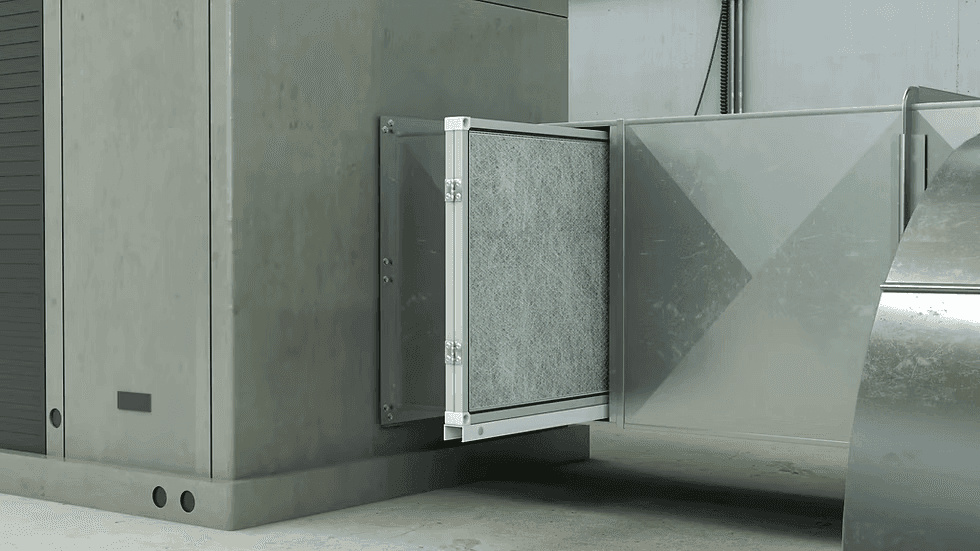
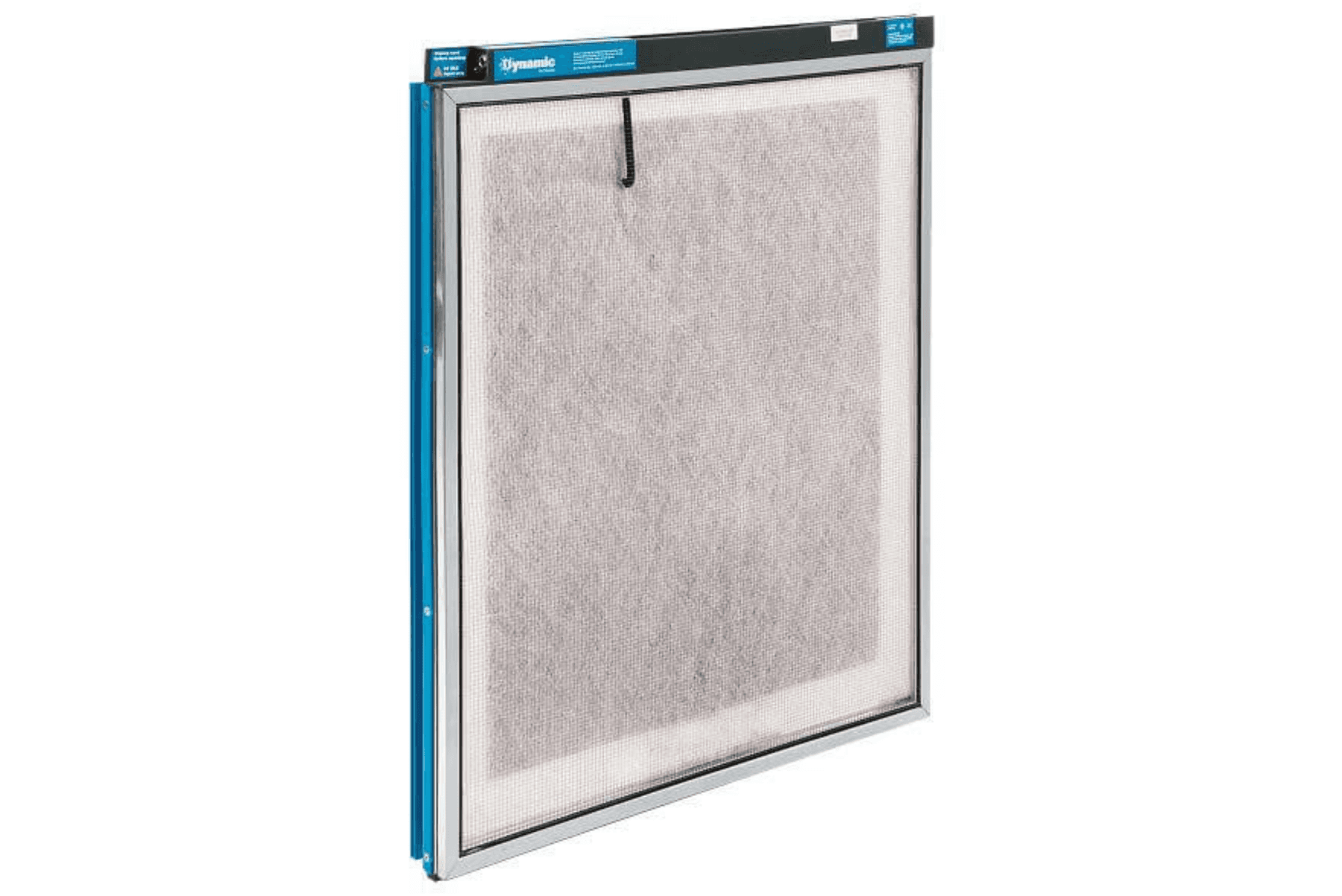
High-Efficiency Filtration: We can help you move beyond the basic 1-inch filters at the hardware store. Upgrading to an advanced media air cleaner or an electronic air purifier allows your system to capture microscopic particles like viruses, bacteria, and allergens that cheaper filters simply let right through.
Humidity Control: Here in Boston, controlling humidity is a year-round battle. We install whole-home humidifiers to fix the dry winter air that irritates your sinuses and whole-home dehumidifiers to stop the damp, sticky conditions that let mold and mildew get a foothold during our humid summers.
These are some of the most effective ways to tackle poor IAQ at the system level. To see the full range of options, you can explore our guide to professional air quality control services.
DIY vs Professional IAQ Solutions
IAQ Task | DIY Action | When to Call Boston Budget Plumbing |
|---|---|---|
Air Filters | Change standard 1-inch filters every 1-3 months. | To install a whole-home, high-efficiency media or electronic air cleaner. |
Humidity | Use portable humidifiers/dehumidifiers for a single room. | To install and integrate a whole-home humidifier or dehumidifier into your HVAC system. |
Ventilation | Open windows, run bath fans, and range hoods. | When you need a whole-home ventilation solution (like an ERV/HRV) or bath fan repair/installation. |
Ductwork | Visually inspect registers for obvious dust buildup. | For professional duct cleaning, sealing leaky joints, or redesigning poorly routed ductwork. |
Leaks & Moisture | Clean up small spills and monitor for damp spots. | For finding and fixing plumbing leaks, sump pump issues, or foundation moisture problems. |
System Upgrades | Set your thermostat schedule. | To install a new high-efficiency furnace, boiler, or heat pump; to get help with Mass Save rebates. |
While DIY efforts are a great first line of defense, a licensed pro is essential for any work that involves your home’s core mechanical systems, electrical wiring, or plumbing.
Modern HVAC for Superior Air Quality
In some cases, the best long-term solution is a full equipment upgrade. Modern systems, especially high-efficiency heat pumps, are built from the ground up with both energy savings and air quality in mind. They tend to provide more consistent, low-level air circulation, so your home's air is filtered much more often throughout the day.
An HVAC upgrade might be more affordable than you realize. High-efficiency systems, such as heat pumps, often qualify for major rebates through programs like Mass Save. Our team can walk you through which models are eligible and help you navigate the entire rebate process.
Investing in a professional solution is not just about getting rid of a musty smell or seeing less dust on your furniture. It is about creating a genuinely healthier living space for you and your family. By tackling the root cause of poor IAQ, you can finally breathe easier and enjoy the peace of mind that comes with knowing the air in your home is truly clean.
Answering Your Top Indoor Air Quality Questions
When it comes to the air inside your home, many questions arise. As a team that works in Greater Boston homes every day, we hear the same concerns from homeowners just trying to figure out what's best for their families. Here are some straightforward answers to the questions we get asked most often.
How Often Should I Change My Air Filter?
This is one of the easiest and most important habits you can get into. For a standard 1-inch filter, a good rule of thumb is to check it monthly and replace it at least every 90 days.
But that is just a baseline. If you have pets, someone in the house struggles with allergies, or you just seem to be dusting all the time, you will want to change it more often, think every 30 to 60 days. A clean filter makes a huge difference.
Can Air Purifiers Really Fix the Problem?
A good portable air purifier with a HEPA filter can definitely help. They do a fantastic job of capturing airborne particles like dust, pollen, and pet dander in a single room, making them a great choice for bedrooms or home offices.
Just remember, they are treating a symptom, not the cause. A portable unit will not address poor ventilation or a hidden moisture problem that is feeding mold growth. For that, you need to look at whole-home solutions that integrate with your HVAC system.
Steer clear of any air purifier that creates ozone. The EPA warns that ozone is a lung irritant that can actually make asthma worse, completely defeating the purpose of cleaning your air in the first place.
Is It Better to Keep the Windows Open or Closed?
It really depends on the day. Cracking the windows open for just 10-15 minutes is a fantastic, zero-cost way to flush out stale indoor air and dilute any pollutants that have built up.
The big exception here in the Boston area is on days with high pollen counts or official air quality alerts. On those days, you are better off keeping the windows shut and letting your HVAC system’s filter do the work.
When Is It Time to Call a Professional?
DIY steps are great, but sometimes they are not enough. You should give a professional a call if:
You are dealing with allergy or asthma symptoms that seem to flare up only when you're at home.
There is a musty, damp smell you just cannot get rid of, no matter how much you clean.
You have any safety concerns about how your furnace, boiler, or water heater is vented.
You have tried the basics, but your home still feels dusty, humid, or stuffy.
If you're tired of guessing what’s going on with your home’s air, the team at Boston Budget Plumbing, Inc. can help you find the source of the problem and recommend a solution that actually lasts. Contact us today to schedule a consultation and get on the path to a healthier home.
Boston Budget is a locally owned plumbing, heating, and cooling company proudly serving homeowners in Boston, Quincy, Dorchester, Weymouth, and the surrounding communities. We specialize in boiler maintenance, heating repairs, and energy-efficient HVAC upgrade designed to keep your home safe, comfortable, and affordable, especially during harsh New England winters. With reliable service, transparent pricing, and fast response times, Boston Budget is your trusted local choice for plumbing and heating solutions.


