
Whole Home Water Filtration System in Quincy: Is It Worth It?
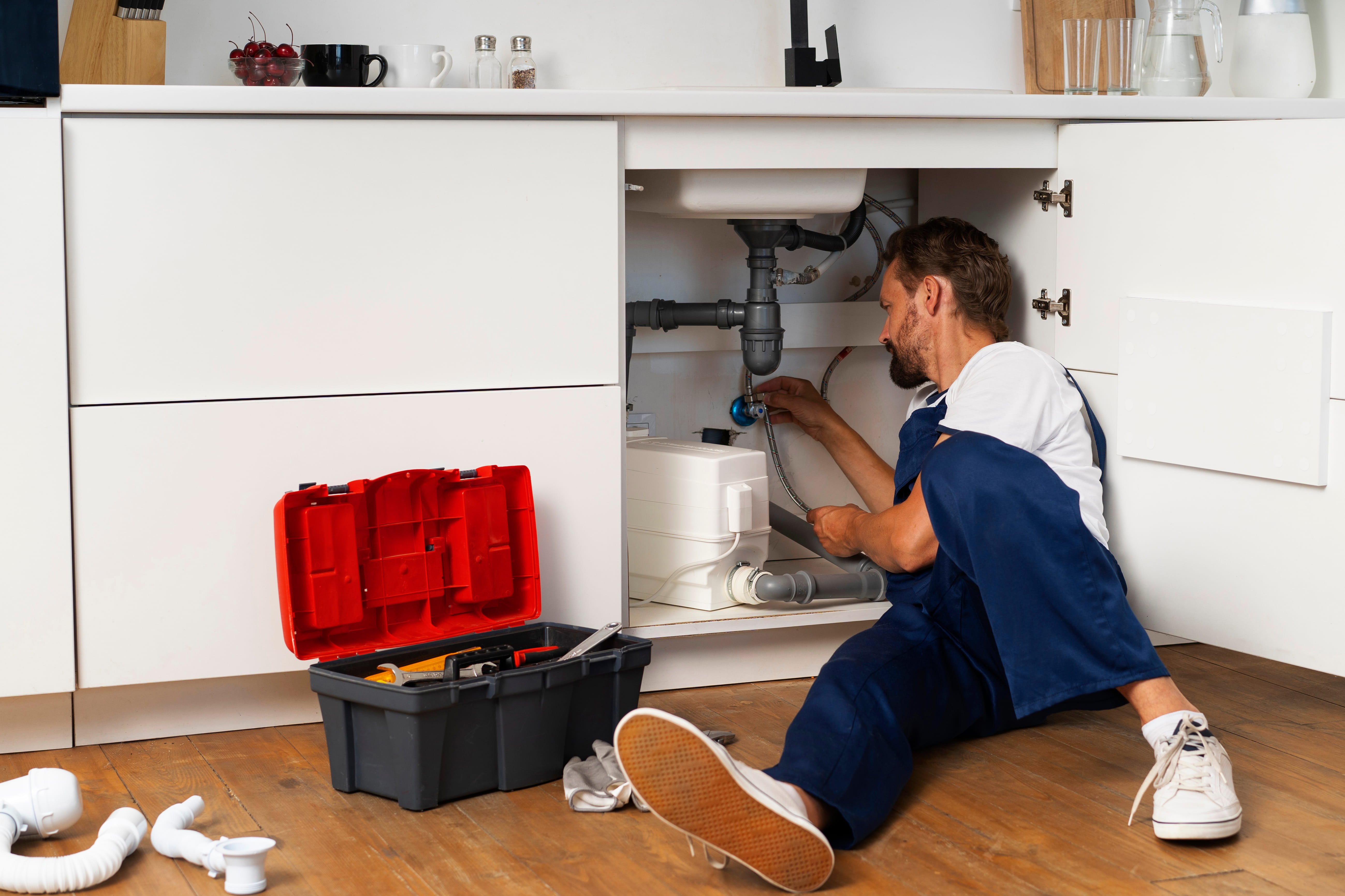
Is a whole-home water filtration system worth it?
For homeowners in Quincy and Greater Boston, it’s a straightforward question: Is a whole-home water filtration system really worth it? Our municipal water is treated to meet federal safety standards, but a whole-house system is a significant upgrade. It delivers better-tasting water from every tap and, just as importantly, provides crucial protection for your plumbing and appliances.
Is a Whole Home Water Filtration System a Smart Investment for Your Quincy Home?
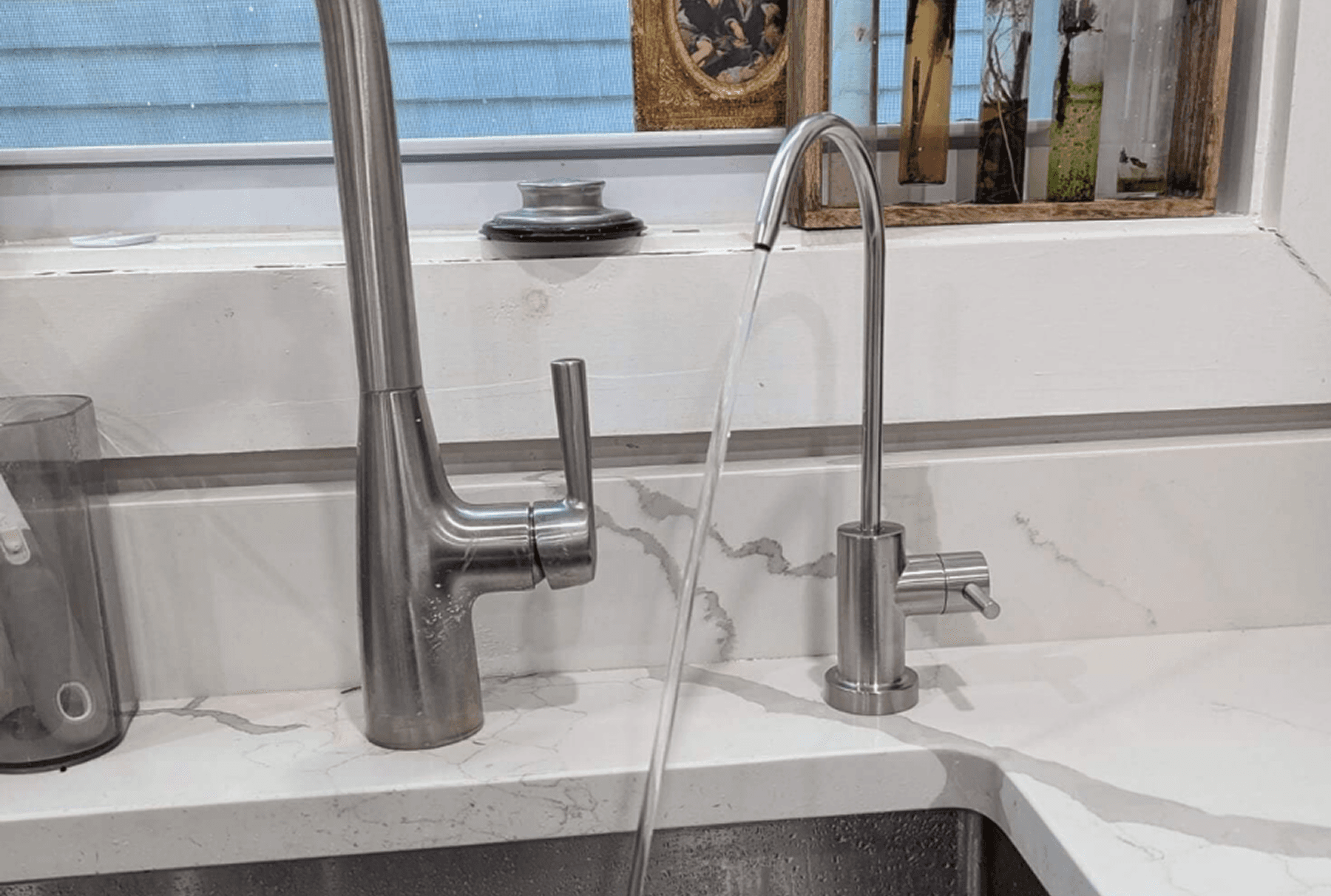
When you think about water filtration, it's easy to focus on just the water you drink. But a whole-home water filtration system goes way beyond that. While a pitcher or faucet filter can improve the taste in your kitchen, they do nothing for the rest of your house.
A whole-house system is installed right where your main water line enters your home, treating every single drop of water that comes through.
This means you get consistent, high-quality water for everything: drinking, cooking, showering, and laundry. It’s about making your daily life more comfortable and safeguarding your home’s entire plumbing network.
Quick Look At Whole Home Water Filtration Benefits
Benefit | Whole Home System | Point-Of-Use Filters (Pitcher, Faucet) | No Filtration (Municipal Water) |
|---|---|---|---|
Filtered Taps | Every tap and appliance in the house | Only the single tap it's attached to | None |
Appliance Protection | Excellent protection from sediment & scale | No protection | No protection |
Plumbing Protection | Protects all pipes from sediment buildup | No protection | No protection |
Skin & Hair | Reduces chlorine for softer skin & hair in showers | No benefit | Can be drying due to chlorine |
Taste & Odor | Crisp, clean taste from every faucet | Good taste at one faucet | Often has a chlorine taste or smell |
Convenience | "Set it and forget it" with minimal maintenance | Requires frequent filter changes or refills | No maintenance needed |
As you can see, the benefits of a whole-home system extend far beyond a better-tasting glass of water.
The Real Value for Your Home and Family
The first thing most Quincy homeowners notice is the dramatic improvement in the taste and smell of their tap water. Municipal treatment often uses chlorine or chloramine to disinfect the water, which can leave behind that familiar chemical odor and aftertaste. A good carbon-based filter is fantastic at removing these, leaving you with water that’s genuinely crisp and clean.
But beyond better taste, a whole-house system acts as a bodyguard for your plumbing and appliances. Even treated municipal water can contain tiny amounts of sediment, rust, and hard-water minerals. Over time, those particles add up and can cause serious wear and tear.
An investment in whole home water filtration isn't just about what you're removing from your water; it's about what you're protecting inside your home. It’s a proactive step for your plumbing, your appliances, and your family’s daily comfort.
This hidden buildup can lead to the early failure of expensive equipment. Think about the impact on:
Water Heaters: Sediment collects at the bottom of the tank, forcing the unit to work harder to heat the water. This can drive up energy bills and may shorten the heater's lifespan.
Dishwashers & Washing Machines: Hard water minerals and sediment can clog internal parts, leave spots on your dishes, and make detergents less effective, requiring you to use more soap.
Faucets & Showerheads: Tiny particles clog the small openings in aerators and showerheads, leading to frustratingly low water pressure and the constant need to clean or replace them.
By catching these contaminants right at the source, a filtration system helps your appliances last longer and run more efficiently, potentially saving you from future repair and replacement bills. It keeps your home's entire plumbing network running smoothly. Boston Budget Plumbing, Heating & Cooling provides expert guidance on water-quality solutions for homeowners in https://bostonbudgetplumbing.com/locations/quincy and surrounding areas.
Ultimately, installing a whole home system is about peace of mind. You gain the confidence that the water your family uses for everything, from brushing their teeth to washing their clothes, is as clean and safe as it can be, all while protecting the investment you've made in your home.
Understanding The Water Flowing Into Your Home
Before you can choose the right whole-home water filtration system, it helps to know what you’re trying to filter out. The water arriving at your home in Quincy or the Greater Boston area meets municipal safety standards, but that doesn't mean it's free of things that affect taste, your plumbing, and your appliances.
Most homeowners know that swimming pool smell. Sometimes, that same scent comes right from the tap. That’s usually chlorine or chloramine, disinfectants used by water treatment facilities to keep the supply safe on its long journey to your house.
While they do a great job of killing bacteria, they can leave your drinking water with an unpleasant taste and odor. They can even make your skin and hair feel dry after a shower.
The Unseen Damage From Sediment And Hard Water
Beyond chemicals, your water can carry tiny physical particles. With a lot of older infrastructure in Greater Boston, it’s not uncommon for water to pick up bits of sediment, rust, or silt from aging city water mains. You may not see these particles, but your appliances certainly feel them.
This grit acts like fine sandpaper on the internal parts of your dishwasher, washing machine, and especially your water heater. It causes premature wear and can clog the small openings in faucet aerators and showerheads, leading to poor water pressure and constant cleaning.
Another common issue is hard water. As water travels through the ground on its way to the treatment plant, it picks up dissolved minerals, mostly calcium and magnesium. They aren't harmful to drink, but they can cause major headaches in your plumbing.
When hard water is heated, the minerals precipitate out of the water, forming a chalky, rock-like buildup called scale. This scale is the enemy of any water-using appliance, and it can reduce its efficiency and lifespan.
Scale buildup inside a water heater, for instance, forces it to work much harder to heat the water, which can drive up your energy bills. In a dishwasher, it leaves those stubborn white spots on your glassware and can clog the spray arms. A filtration system that includes a water softener is designed specifically to target these minerals.
Addressing Local Concerns Like Lead
In older homes, especially in established areas like Boston and the surrounding communities, lead can be a real concern. Lead can leach into the water from old service lines, the pipes connecting a home to the city’s main water supply, or from older brass fixtures and solder.
While cities are actively working to replace these lines, the process is slow. A properly certified whole-home water filtration system can provide an effective and reliable final barrier against lead, offering peace of mind for your family.
This growing awareness about what’s really in our water is why so many homeowners are taking action. The home water filtration market shows how many people are choosing to take control of their water quality. Understanding these common issues helps you see how a whole home system isn't just a luxury, it’s a smart investment to protect your home and improve your daily life.
A Look at the Different Types of Whole-Home Water Filtration Systems
Once you know what's in your water, the next step is matching the right filtration technology to the problem. A whole-home water filtration system isn't usually a single, one-size-fits-all filter. It’s almost always a combination of different filters working together as a team, with each one tackling a specific job.
Think of it like building a custom defense for your home's water supply. You wouldn't use just one tool for every job, and the same goes for water quality. You pick the right components to create a complete solution that handles everything from gritty sediment to invisible chemicals.
The First Line of Defense: Sediment Filters
The first stage in nearly any whole-house water filtration system is a sediment filter. This is your system’s gatekeeper, and its only job is to stop larger physical particles before they ever get into your home’s plumbing.
It's a simple but absolutely critical role. This filter is there to catch things like:
Sand and silt
Rust flakes from aging municipal water mains
Dirt and other random debris
By grabbing all this grit right at the start, a sediment filter protects the more specialized and more expensive filters that come after it. It keeps them from clogging, which helps them work better and last a whole lot longer.
The Workhorse: Carbon Filtration
After the sediment is gone, the water usually flows into a carbon filter. This is the real workhorse of most systems and what most people picture when they think of "filtered water." Activated carbon has a very large surface area, packed with millions of tiny pores, making it excellent at adsorbing and retaining chemical contaminants.
A carbon filter acts like a powerful chemical sponge. Its main goal is to make your water taste and smell better by removing the chlorine and chloramines used by cities for disinfection. It’s the reason filtered water tastes so crisp and clean compared to tap water. Many carbon filters also do a great job of reducing other organic compounds and chemicals.
This image shows some of the most common issues homeowners in the Greater Boston area are trying to fix with a whole-home water filtration system.
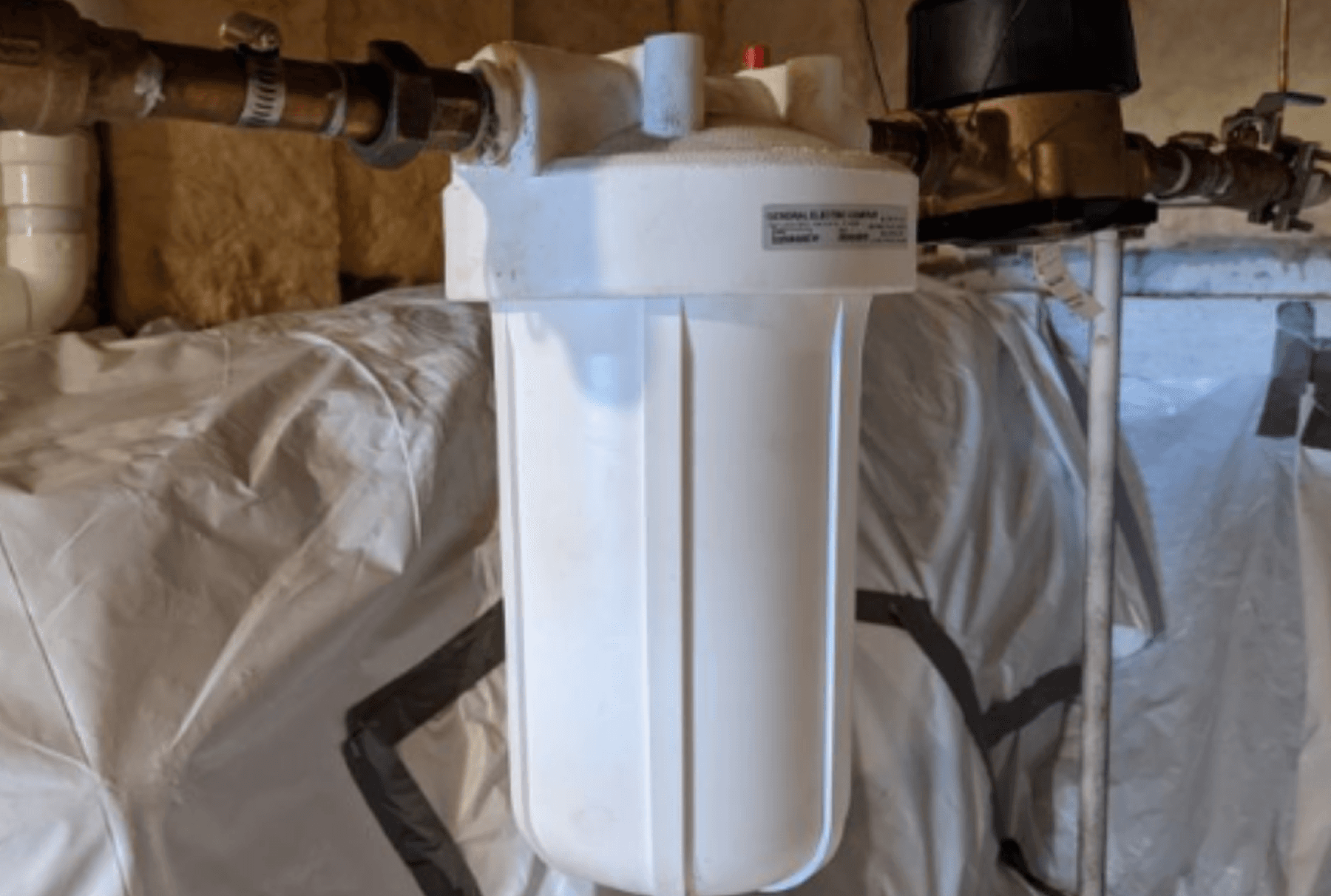
To help you see how these technologies stack up, we've put together a simple comparison table. It breaks down what each filter type targets, so you can start to see how they might fit together in a complete system for your home.
Comparing Common Water Filtration Technologies
Filtration Type | Primary Target | Best For | Maintenance Note |
|---|---|---|---|
Sediment Filter | Sand, silt, rust, debris | Protecting other filters and plumbing | Cartridge replaced every 3-12 months |
Carbon Filter | Chlorine, chloramines, odors, and some chemicals | Improving taste and smell | Filter media replaced every 1-5 years |
Water Softener | Calcium, magnesium (hardness minerals) | Preventing scale buildup, protecting appliances | Requires salt refills regularly |
UV Purifier | Bacteria, viruses, microorganisms | Disinfecting well water or microbiologically unsafe water | UV bulb replaced annually |
Reverse Osmosis | Dissolved solids, heavy metals, lead, fluoride | Ultimate purification for drinking water | Membranes are replaced every 2-3 years |
By mixing and matching these technologies, a plumbing pro can design a system that’s perfectly suited to tackle your specific water quality issues, ensuring every tap delivers clean, safe, and great-tasting water.
Tackling Hard Water With Water Softeners
If your water test shows high levels of hard minerals like calcium and magnesium, a carbon filter won't do a thing to help. Hard water is what causes the chalky scale buildup that can damage water heaters and leave spots on your dishes. To fix that, you need a water softener.
A water softener isn't technically a "filter," but it's a vital part of any complete home water treatment system for hard water. It uses a process called ion exchange, swapping the "hard" calcium and magnesium ions for "soft" sodium ions.
This process stops scale from ever forming in the first place. By adding a softener, you protect your pipes, fixtures, and expensive appliances from the slow, costly damage caused by mineral buildup. Your water heater may run more efficiently, your dishwasher will leave glasses sparkling, and you’ll even find you need less soap and detergent for laundry and showers.
Specialized Solutions For Specific Concerns
While sediment filters, carbon filters, and water softeners make up the core of many systems, some homes need additional, more specialized stages to address specific problems. Think of these as adding an expert to your team for a very specific task.
UV Purifiers: If you're on a private well or have concerns about bacteria, viruses, or other microbiological contaminants, an Ultraviolet (UV) purifier may be a solution. It uses UV light to make microorganisms harmless, all without adding chemicals to your water.
Reverse Osmosis (RO): While most often used to provide super-pure drinking water at a single tap (a point-of-use system), RO technology can be scaled up as a final polishing step in a whole-home system. It uses an incredibly fine membrane to remove a wide range of contaminants, including dissolved solids, heavy metals such as lead, and more.
A licensed plumbing professional can help you interpret your water test results and recommend the right combination of these technologies. By building a multi-stage system, you get a solution that's truly customized to your home, giving you confidence that you’re getting clean, safe, and great-tasting water from every single tap.
What To Expect During The Installation Process
Having a whole-home water filtration system put in is a pretty straightforward job when you have a licensed pro on the tools. Knowing what the day will look like can make everything go smoothly and give you peace of mind that it’s all being done the right way.
The first thing your plumber will do is conduct a final on-site walk-through. They’ll confirm the best spot for the system, which is almost always in the basement or a utility closet, right where the main water line enters your home. This location, usually near your water meter, ensures every drop of water gets treated before heading out to your faucets, showers, and appliances.
Getting the placement right is critical for both performance and future maintenance. A good plumber will make sure there’s enough room left around the tanks to easily service the unit and swap out filters down the road.
The Core Installation Work
Once the location is set, the real work begins. This involves carefully cutting into your main water line to tie in the new filtration equipment.
This step is exactly why you hire a licensed plumber. They have the skill to make sure every connection is secure, leak-free, and compliant with Massachusetts plumbing codes. A crucial piece of the puzzle here is installing a bypass valve.
A bypass valve is a set of three valves that lets you send water around the filtration system instead of through it. This is absolutely essential for maintenance, as it allows you to change filters or service the unit without shutting off water to your entire house.
Next, your plumber will securely mount the filtration tanks and connect all the different stages of your system. This includes everything from the first sediment filter to the main carbon tank and any other parts, like a water softener. They will also run the drain line, which is needed for the backwashing cycles that periodically clean the filter media.
Permits and Final Checks
In many Massachusetts communities, a permit is required for this type of work to guarantee it meets all safety and code standards. Your licensed plumber is the best person to confirm the rules for your specific address and can handle the whole permitting process for you.
Once everything is connected, it is time for the final checks:
System Flush: The plumber will run water through the brand-new system to flush out any harmless carbon dust left over from the new filters.
Pressure and Leak Test: They will go over every single connection with a fine-toothed comb, making sure there are absolutely no leaks and that your home’s water pressure is right where it should be.
Final Walkthrough: Your technician will walk you through the entire system. They’ll explain how it works, what each part does, and what the maintenance schedule will look like. They will also show you how to use the bypass valve and what to look for so you know when it’s time for a filter change.
Professional installation is non-negotiable for a whole-home water filtration system. It’s your guarantee that the system is safe, code-compliant, and set up for years of reliable performance, protecting both your investment and your home.
Breaking Down The Costs And Long-Term Value
When you’re thinking about a whole-home water filtration system, it’s smart to look at the full picture, not just the initial price tag. This isn’t just another home expense; it’s an investment in protecting your entire plumbing network and every water-using appliance.
Let's break down the costs and, more importantly, the real value you get. By stopping problems like scale buildup and corrosion before they start, a good system can help prevent costly repairs and premature appliance replacements down the road.
The Initial Investment
The upfront cost covers two main things: the filtration equipment itself and professional installation. For a typical Quincy home, a quality multi-stage system with sediment and carbon filters can cost a few thousand dollars or more. The final price really depends on what your water needs: the system’s complexity, the specific filters required, and the size that’s right for your household.
Getting the installation right is just as important as the equipment you choose. We know this is a significant home improvement, and our team can walk you through different options to manage the cost. Ask our team about current financing options.
The Real Return On Investment: Protecting Your Appliances
The true financial payoff from a whole-home water filtration system shows up over time. It’s a silent guardian for your most expensive appliances, protecting them from the slow, costly damage caused by sediment, chlorine, and hard water minerals.
A whole-home water filtration system isn't just treating your water; it's extending the life of your most valuable home assets. Preventing just one premature appliance replacement can often offset a significant portion of the filtration system's cost.
Here’s a look at how it can save you money in the long run:
Water Heaters: Hard water scale can force your water heater to work harder, which may drive up energy bills and lead to early failure. A filtration system prevents that buildup, potentially saving you from an unexpected replacement.
Dishwashers & Washing Machines: Clean, filtered water stops mineral deposits and grit from clogging up internal pumps and spray arms. That means fewer service calls and a longer, more efficient life for your machines.
Faucets & Fixtures: By catching corrosive elements right at the source, your faucets, showerheads, and toilets are safe from ugly stains and performance-killing clogs, so you won’t have to replace them nearly as often.
More and more homeowners are catching on to these long-term benefits. The growth of the water filtration market makes one thing clear: homeowners see filtration as a smart and necessary investment in their property’s future.
Ongoing Costs And Long-Term Peace Of Mind
After the system is installed, the ongoing costs are surprisingly small. You’ll mostly just be swapping out filter cartridges or, if you have a softener, adding salt. A sediment pre-filter might need to be changed every few months, but the main media in a large carbon tank can last for years.
When you stack those minimal maintenance costs up against the high price of replacing a tankless water heater or a high-efficiency washing machine, the math is easy. A whole-home water filtration system is one of the wisest investments you can make for your home’s health, your family’s comfort, and your long-term peace of mind.
How To Choose The Right System For Your Home
Making the final call on a whole-home water filtration system can feel like a big decision, but it's much easier once you know what to look for. Think of this as your final checklist, the key questions that turn a sales pitch into a productive conversation with a professional plumber.
Choosing the right system really comes down to asking the right questions. When you talk to a contractor, you’re not just buying a piece of equipment. You're finding a partner to help you get the best solution for your Quincy-area home.
Questions To Ask Your Plumbing Professional
To ensure you get a system that fits your needs and budget, come prepared to discuss these key points. A good plumber will welcome these questions and give you clear, honest answers.
What did my water analysis actually show? This is the starting point for any good recommendation. The pro should be able to point to specific results, like hardness levels, chlorine concentration, or sediment, and explain exactly how that data led to their equipment choice.
What specific contaminants does this system target? Get crystal clear on whether the proposed setup is designed for sediment, chlorine, hard water minerals, or other specific concerns found in your water.
What is the real maintenance schedule and annual cost? You need to know when filters need to be changed and what the yearly budget for salt or replacement cartridges will be. No surprises.
What are the warranties on the equipment and your installation? A true professional stands behind their work. Ask about the manufacturer's warranty on the system itself and the plumber's own guarantee on their labor.
Partnering with a local, licensed plumber who understands Greater Boston's water is your best strategy. They can offer tailored, budget-friendly options without using high-pressure sales tactics, ensuring you get the right solution, not just the most expensive one.
This focus on home solutions is a huge market trend. In fact, households are the main driver for these systems. According to an industry analysis of the United States water purifier market, residential use accounts for a large share, with reverse osmosis (RO) as the dominant technology due to its effectiveness.
Ultimately, the goal is to find a reliable local partner. A contractor who truly understands the water in areas like Quincy can install a whole-house water filtration system that protects your home and family for years to come. At Boston Budget Plumbing, Heating & Cooling, we are committed to helping you find that perfect fit. You can read more about our approach to a professional whole-home water filtration system installation and how we can help.
Answering Your Top Questions About Whole Home Water Filtration
Even after you’ve explored the options, it’s natural to have a few more questions before deciding on a system for your Quincy home. We get it. This is a big investment in your home's health and plumbing.
Here are some honest, straightforward answers to the questions we hear most often from homeowners just like you.
Will a Whole Home System Hurt My Water Pressure?
This is probably the number one concern we hear, and the answer is simple: a professionally installed, correctly sized system should have almost no noticeable effect on your water pressure.
If you do see a drop in pressure down the road, it almost always points to one of two things:
Clogged Filters: The filters are doing their job! Over time, they accumulate sediment and contaminants, which can slow water flow. This is a normal sign that it’s time to change the filter.
An Undersized System: If a system is too small for your home’s plumbing and water usage, it will struggle to keep up, resulting in low pressure from the start.
This is exactly why getting a professional assessment is so important. A licensed plumber doesn't just sell you a box; we measure your home's flow rate and match the equipment to your plumbing to ensure you get strong, steady pressure from every tap.
How Often Will I Have to Change the Filters?
The filter replacement schedule really depends on three things: the type of system you have, the quality of your incoming water, and how much water your family uses.
For example, a sediment pre-filter, which catches all the larger grit and rust, might need to be swapped out every 3 to 6 months. On the other hand, the giant tank of carbon media in a larger system can often last several years before needing replacement.
Many modern systems come with pressure gauges right on the filter housings. These give you a simple visual cue to let you know when a filter is clogging and restricting flow.
When we install a system, we’ll give you a clear maintenance schedule and show you exactly what to look for. You’ll know your ongoing costs upfront, so there are no surprises later.
Isn't a Pitcher Filter Good Enough?
Pitcher filters are a great starting point for improving the taste of your drinking water from one spot: the kitchen sink. But a whole-house water filtration system is a completely different approach. It solves the problem at the source.
Instead of just filtering a single glass of water, it treats every drop that enters your home. That means you’re not just getting better-tasting water for drinking and cooking, but you're also showering in cleaner water and washing your clothes without harsh chlorine.
More importantly, you're protecting your entire home. A whole-house system protects your pipes, water heater, dishwasher, and washing machine from sediment, scale, and chemicals that can cause long-term damage. It’s a much bigger investment, but it delivers far greater value by protecting all the expensive systems your water runs through.
Ready to enjoy clean, filtered water from every tap in your home? The team at Boston Budget Plumbing, Heating & Cooling can help you find the perfect whole-home water filtration system for your needs and budget. Visit us online at https://bostonbudgetplumbing.com to schedule a consultation.
Boston Budget is a locally owned plumbing, heating, and cooling company proudly serving homeowners in Boston, Quincy, Dorchester, Weymouth, and the surrounding communities. We specialize in boiler maintenance, heating repairs, and energy-efficient HVAC upgrade designed to keep your home safe, comfortable, and affordable, especially during harsh New England winters. With reliable service, transparent pricing, and fast response times, Boston Budget is your trusted local choice for plumbing and heating solutions.


