
Heat Pump Installation: What Homeowners Should Know Before Installing One
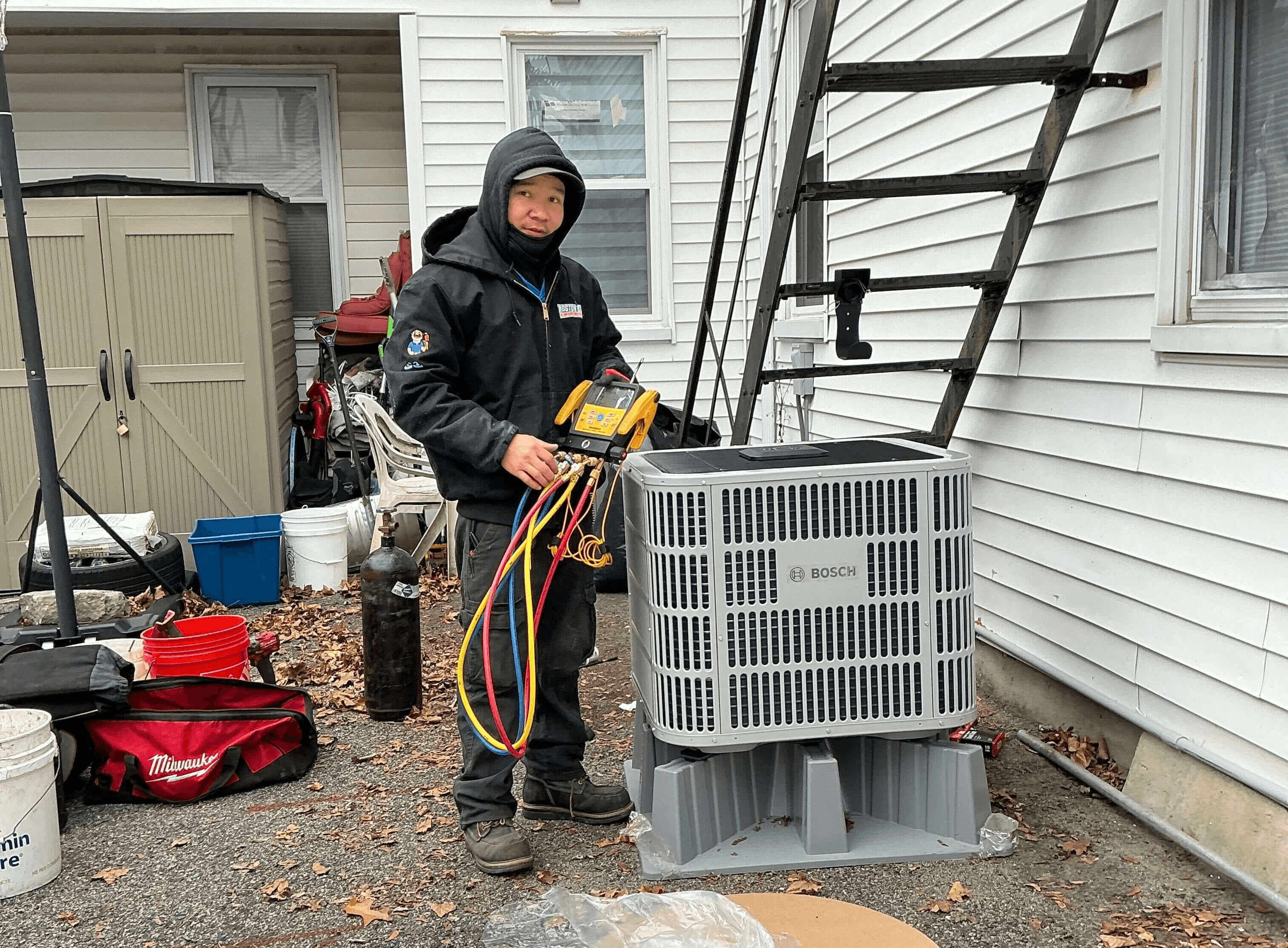
Heat Pump Installation: What You Should Know
Choosing a new HVAC system is a big decision for any homeowner, and if you live in the Boston area, you’ve probably heard a lot about heat pump installation. These all-in-one systems are becoming a go-to choice for a good reason: they can offer significant energy savings and a much smaller carbon footprint.
Instead of burning fuel like a furnace, a heat pump moves heat. It provides both heating and cooling in a single unit, and today’s cold-climate models are built to handle the swings of Massachusetts weather, keeping your home comfortable all year.
Is a Heat Pump Installation Right for Your Boston Home?
If you’re tired of juggling a separate furnace and air conditioner, a heat pump is an excellent solution. Think of it like a super-efficient, two-way air conditioner.
In the summer, it does exactly what you'd expect: it pulls heat from inside your home and moves it outside. But in the winter, it reverses the process, extracting heat from the cold outdoor air and moving it inside to warm your house.
This simple act of moving heat, rather than creating it by burning fuel, is what makes the technology so efficient. For homeowners in Boston, whether you're in a historic triple-decker in Dorchester or a modern single-family home in Quincy, this can translate to lower utility bills and a more comfortable home.
The Rise of Cold-Climate Heat Pumps
You might be thinking, "Can a system that pulls heat from cold winter air really work in New England?" The answer is a definite yes. Modern cold-climate heat pumps are engineered specifically for our weather, performing reliably even when temperatures drop well below freezing.
This isn’t old technology. The heat pump market is projected to grow significantly, driven by a major push for energy efficiency. This growth has been supported by significant investments in developing cold-climate models, making them an excellent match for our winters.
This adoption is also fueled by local programs like Mass Save, which offers Massachusetts homeowners substantial rebates for replacing older fossil-fuel systems. You can read more about the research driving these heat pump trends.
A key benefit of a heat pump installation is its dual functionality. You get a high-efficiency air conditioner and a powerful heating system in one unit, simplifying your home's mechanical systems and saving space.
Heat Pumps vs. Traditional HVAC Systems at a Glance
Feature | Heat Pump | Furnace + Central AC |
|---|---|---|
How It Works | Moves heat in or out of your home using electricity. | A furnace burns fuel to create heat; an AC unit moves heat out of your home. |
Function | Provides both heating and cooling in a single, all-in-one system. | Two separate systems, one for heating, one for cooling. |
Energy Source | Electricity. | Typically, natural gas, oil, or propane for the furnace, and electricity for the AC. |
Efficiency | Can operate at over 300% efficiency, meaning it moves more heat energy than the electricity it consumes. | The best modern furnaces are around 98% efficient, and you still have a separate AC. |
Environmental Impact | Lower carbon footprint; no on-site combustion or fossil fuels. | Higher carbon footprint from burning fossil fuels for heating. |
For many Boston-area homeowners, making the switch isn't just about getting new equipment. It's about making a smart investment in long-term savings, better home comfort, and a more sustainable way to live. When you combine today’s advanced technology with the strong local incentives available, a heat pump installation can be a wise financial decision.
Exploring Your Heat Pump Options
Once you’ve settled on a heat pump as the right upgrade for your home, the next big question is which kind to get. For most Greater Boston homeowners, this choice boils down to two main systems: ductless mini-splits or a central ducted heat pump.
Each one has its own strengths, and the best fit really depends on your home’s layout, whether you have existing ductwork, and what you’re trying to achieve with your comfort.
Think of it like choosing a sound system. Do you want a single, powerful system that plays through speakers already built into every room? Or would you rather have individual speakers in certain rooms, each with its own volume control?
Ductless Mini-Split Heat Pumps
Ductless mini-split systems are an incredibly popular and flexible solution, especially for the older homes we see all over Boston that were built without ductwork, like classic triple-deckers and historic brownstones. These systems use a single outdoor compressor connected to one or more indoor air-handling units, often called “heads.”
These indoor heads are usually mounted high on a wall, delivering warm or cool air right into the room. This setup gives you a few key benefits:
Zoned Comfort: Every indoor head has its own thermostat. That means you can set different temperatures for different rooms or “zones.” You can keep the bedroom cooler for sleeping while the living room stays cozy, all without wasting energy heating or cooling empty spaces.
No Ductwork Needed: This is the big one. They don’t require expensive or disruptive ductwork installation, making them perfect for home additions, finished basements, or entire houses that never had ducts in the first place.
High Efficiency: Since there are no ducts, you avoid the energy loss that can happen when air leaks from traditional duct systems. That direct delivery makes mini-splits exceptionally efficient.
Ductless systems are a fantastic, modern way to get targeted heating and cooling. If you're looking to add air conditioning and heating to specific parts of your home, you can learn more about our ductless mini-split services to see how they might work for you.
Central Ducted Heat Pumps
If your home already has a network of ducts from an old furnace or central air conditioner, a central ducted heat pump is a natural and effective upgrade. The system operates much like a traditional central AC, with a single outdoor unit connected to a single indoor air handler.
That indoor unit hooks right into your existing ductwork, sending conditioned air to every room simultaneously. It’s a seamless way to modernize your entire home’s HVAC system into a more efficient, all-in-one heating and cooling solution.
For homes with a well-maintained and properly sized duct system, a central heat pump installation offers a simple path to whole-house energy savings without altering your home's interior aesthetics.
The push for this technology is happening everywhere. Research from organizations like Juniper Research suggests that heat pump adoption will continue to grow significantly in the coming years. This shift is driven by incentives like Massachusetts' Mass Save rebates, which make the upgrade much more affordable, and the fact that high-efficiency models can reduce energy bills.
Which System Is Right for You?
So, how do you choose? It really comes down to your specific home. The best way to know for sure is to have an expert take a look.
A professional from Boston Budget Plumbing, Heating & Cooling can perform a full home assessment to help you decide. We’ll evaluate your home's layout, insulation, existing systems, and your budget to recommend the perfect heat pump installation for you.
The Heat Pump Installation Process from Start to Finish
A professional heat pump installation isn't a simple drop-off-and-hookup. It’s a carefully planned project, and understanding the steps involved can make the whole experience feel straightforward and a lot less stressful.
From the first conversation to the final walkthrough, one of our experts will guide you through a clear, organized process to make sure your new system runs efficiently for years to come.
Step 1: The Initial Home Assessment
This is arguably the most important step in any heat pump installation. A skilled technician will visit your home to perform what’s called a Manual J load calculation. Think of it as getting a suit tailored; it has to be the perfect fit for your specific home.
This isn’t a quick glance. The calculation considers many factors:
The total square footage of your home.
The quality and type of your insulation and windows.
How many people live in the house.
How much direct sun your home gets throughout the day.
Air leakage and the overall "tightness" of your home's construction.
A system that's too big or too small will struggle to keep you comfortable, run inefficiently, and wear out faster. Getting the load calculation right is the foundation of a successful installation.
Step 2: System Selection and Site Preparation
Once the load calculation is complete, we will walk you through the best system options. This is where you'll decide between a ductless mini-split and a central ducted system, based on your home’s layout, comfort goals, and budget. We’ll also explain the differences between efficiency ratings and other features.
Once you’ve picked your equipment, our team gets to work on site preparation. This phase handles all the behind-the-scenes details:
Electrical Upgrades: Heat pumps often require their own dedicated 240-volt circuits. An electrician will check your home’s main panel and may need to run new wiring to safely power the outdoor and indoor units.
Permitting: In many Massachusetts communities, a permit is required for this kind of HVAC work. Your contractor should handle all paperwork with your local building department to ensure the project is fully up to code.
Site Logistics: Our team will determine the best locations for the outdoor condenser and any indoor air handlers. The goal is to maximize performance and service access while minimizing the impact on your home's appearance.
This infographic breaks down the two main paths your installation can take, depending on whether you choose a ductless or a ducted system.
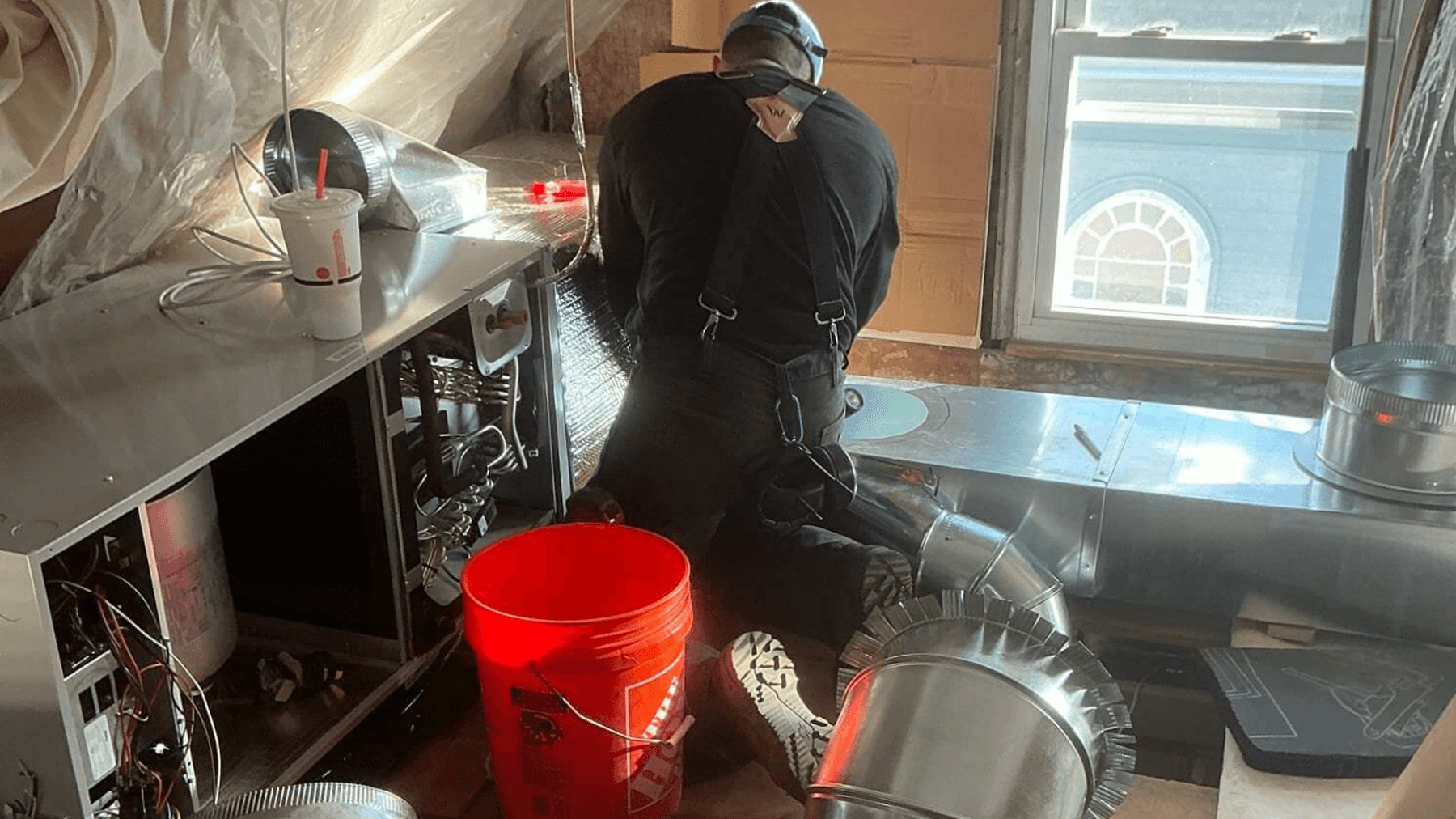
Step 3: Installation and Commissioning
On installation day, the professional crew gets to work. For a central system, they’ll set the outdoor condenser on a sturdy, level pad and connect it to the indoor air handler. If you choose a ductless system, they'll mount the indoor "heads" and run the thin refrigerant and power lines between them and the outdoor unit.
A critical part of the job is the final commissioning. This is way more than just flipping a switch. The technician will charge the system with the exact amount of refrigerant, test all electrical connections, and check airflow to ensure all parts are operating exactly to the manufacturer's specs.
Finally, the technician will give you a full tour of your new system. They'll show you how to use the thermostats, explain any smart features, and answer all your questions, especially about simple maintenance like changing filters. This final step ensures you feel confident and comfortable using your new heat pump from the very first day.
Breaking Down Heat Pump Installation Costs
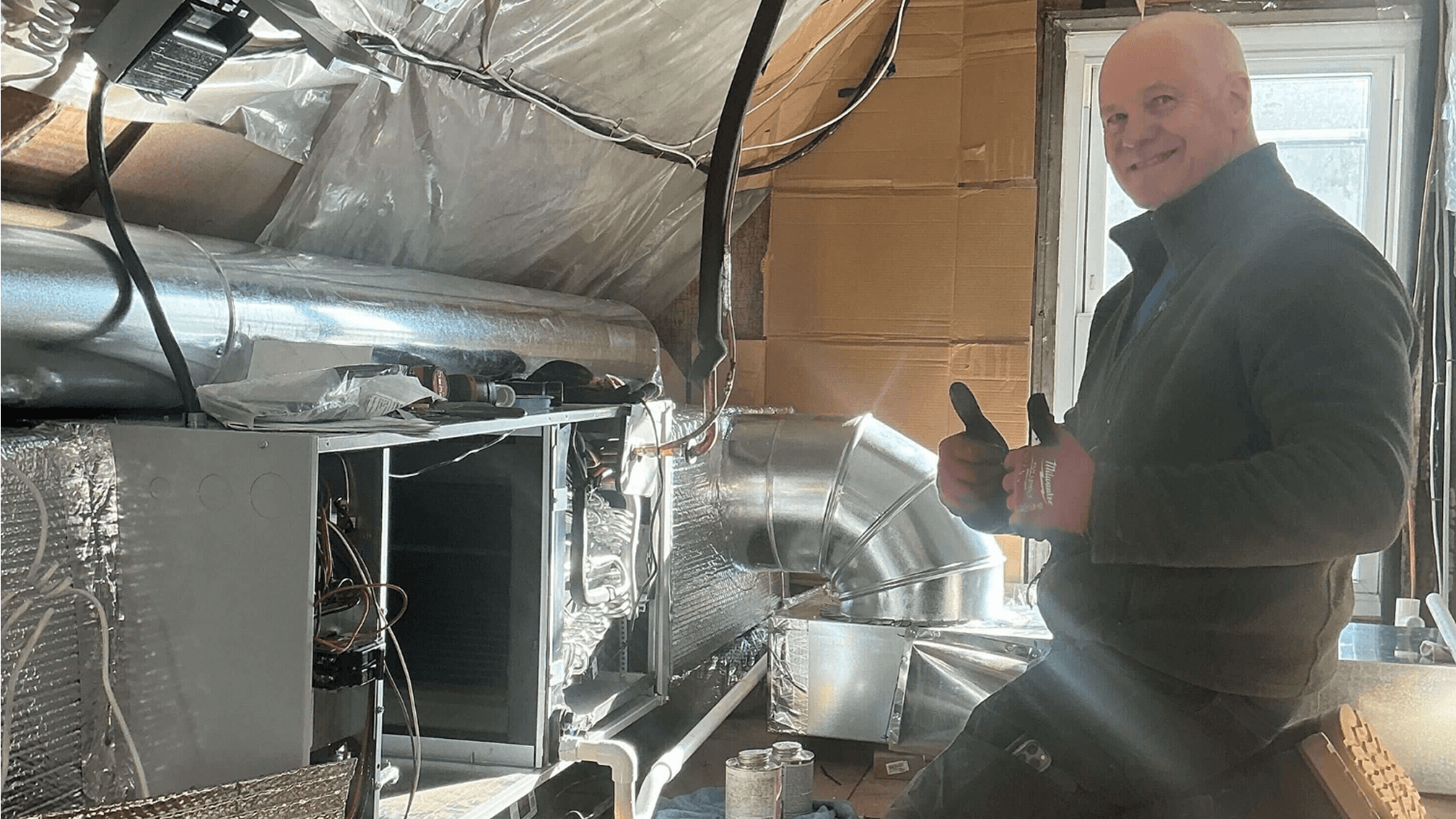
The number one question Boston homeowners ask about a heat pump installation is, "So, what's this going to cost me?" There’s no simple, one-size-fits-all price tag, but we can definitely break down what goes into the final number.
Think of it like buying a car. The final cost depends on the model, the features, and the performance you need. A basic sedan for commuting is a totally different investment than a heavy-duty truck built for towing. It’s the same with heat pumps; the right system is the one that’s tailored to your home.
Factors Influencing Your Heat Pump Installation Cost
Cost Factor | Description | Impact on Price (Low/Medium/High) |
|---|---|---|
System Type & Size | A single-zone mini-split for an addition costs far less than a whole-home central or multi-zone ductless system. Capacity (BTUs) is a major driver. | High |
Number of Indoor Units | For ductless mini-splits, each indoor "head" adds to equipment and labor costs. More zones mean more materials and time. | High |
Installation Complexity | A simple back-to-back install is less expensive than running long linesets through finished walls, attics, or tight crawl spaces. | Medium |
Electrical Work | Heat pumps need a dedicated 240-volt circuit. If your panel is full or needs upgrading, that will add to the budget. | Medium |
Ductwork Condition | For central systems, if your existing ducts are leaky, undersized, or need modification, this adds labor and materials to the job. | Low to High |
These variables are why a professional site visit is so important. A quick phone quote just can't account for what’s happening inside your walls or with your electrical panel.
It's better to think of a heat pump installation as a long-term investment in your home's comfort and efficiency, not just another appliance purchase. The right system, installed correctly, can pay you back in lower utility bills for years.
Maximize Your Savings with Mass Save Rebates
Here in Massachusetts, we have a major advantage: the Mass Save program. These rebates can dramatically reduce the upfront cost of a new heat pump, often by thousands of dollars, making a high-efficiency system much more affordable.
The program offers significant rebates, especially for homeowners who install qualifying whole-home, cold-climate systems. Depending on your income, the type of heating fuel you use, and the system you choose, you could be eligible for rebates of up to $10,000.
Navigating the rules and paperwork can feel overwhelming, but a qualified Mass Save partner makes it easy. At Boston Budget, we handle this for our customers all the time. Here’s how we help:
Find the Right Equipment: We’ll point you to the high-efficiency heat pumps that meet Mass Save’s strict performance standards for our cold climate.
Figure Out Your Rebate: We help you understand exactly which incentives you qualify for based on your specific situation.
Handle the Paperwork: Our team manages and submits the rebate forms for you. We make sure everything is filled out correctly so you get the maximum savings you’re entitled to.
For many Greater Boston homeowners, these rebates are what make a top-tier heat pump installation a smart financial move. If you want to dig deeper, you can learn more about how the Mass Save program works. These incentives can turn what seems like a major expense into an incredibly savvy home upgrade.
How to Select a Qualified Heat Pump Installer
The success of your new heat pump has less to do with the brand name on the box and almost everything to do with the quality of the installation. A top-of-the-line system can underperform, cost more to run, and fail years earlier if it’s not installed correctly. Choosing the right contractor is the single most important decision you'll make.
Your search for a professional in the Boston area should start with the absolute non-negotiables. Any contractor you consider for a heat pump installation must be licensed and fully insured in Massachusetts. This protects you, your home, and the technicians on your property. Don't be shy about asking for proof of both before you sign a contract.
Key Questions for Potential Installers
Once you’ve confirmed the basics, it's time to dig a little deeper. A true professional will welcome your questions and give you clear, confident answers. Make sure you ask:
Experience with Cold-Climate Models: Do you have specific factory training and real-world experience installing the cold-climate heat pumps we need for a Massachusetts winter?
Mass Save Partnership: Are you an approved contractor with the Mass Save program? Can you help us manage the rebate and financing paperwork?
Sizing and Load Calculation: How do you determine the right size system for my home? A reputable installer will always perform a Manual J load calculation instead of just guessing based on square footage.
Team and Timeline: Who, specifically, will be performing the work, and what’s the estimated timeline from the day you start to the day we’re up and running?
A trustworthy contractor will always provide a detailed, itemized quote in writing. Vague estimates or "handshake deals" are major red flags that can lead to surprise costs down the road.
The heat pump market is growing rapidly, which means many new contractors are entering the field. It's more important than ever to pick a team with a proven track record, especially when it comes to navigating local programs like Mass Save to make sure you get the savings you are eligible for.
Verifying a Contractor's Reputation
Finally, do your homework on their reputation. Look for recent customer reviews on trusted sites to see what other homeowners in the Boston area have experienced. A clear pattern of positive feedback about communication, professionalism, and post-installation support is a great sign.
Choosing the right partner transforms a potentially stressful project into a smooth, rewarding upgrade for your home. Taking the time to properly vet your installer ensures your heat pump installation is done right the first time, giving you efficient, reliable comfort for years to come. For more information on finding the right system for your home, you might be interested in our guide on heat pump services.
Common Questions About Heat Pump Installation
Switching to a new heating and cooling system is a big decision, and it’s normal to have a few questions. We hear many of the same concerns from Boston homeowners, so we’ve put together clear, straightforward answers to help you feel confident about making the move to a heat pump.
Do Heat Pumps Work Well in Cold Boston Winters?
They absolutely do. This is probably the biggest myth we have to bust, but modern cold-climate heat pumps are built specifically to handle New England winters. They are engineered to extract heat from the air and keep your home warm and comfortable, even when the temperature outside is well below freezing.
For those few extremely cold days when the temperature really plunges, your system can include a small supplemental heat source for extra peace of mind. But for the vast majority of a Boston winter, the heat pump itself is more than up to the task, and it will operate far more efficiently than an old furnace.
How Much Maintenance Does a Heat Pump Require?
A heat pump needs the same kind of regular care as a traditional furnace or central air conditioner. To keep it running at its best, we recommend a professional tune-up once or twice a year.
Your part as a homeowner is simple but very important:
Check the Filters: You’ll want to clean or replace the indoor air filters every 1-3 months. A clogged filter makes the whole system work harder than it needs to.
Keep the Outdoor Unit Clear: Ensure the unit outside is free of leaves, snow, ice, and any other debris that might block it. Good airflow is the key to good efficiency.
A little bit of care goes a long way toward ensuring your system runs efficiently for years to come.
Can I Install a Heat Pump in My Older Boston Home?
Yes, and in many cases, a heat pump is the perfect upgrade for an older property. Ductless mini-split systems are especially great for the historic brownstones and triple-deckers all over the Boston area that were built long before central ductwork was a thing.
Because they don’t need a network of ducts, mini-splits let you add targeted, room-by-room heating and cooling without tearing up walls and ceilings. A professional will need to look at your home’s layout and insulation to recommend the right heat pump for your home, but it’s almost always possible.
How Long Does a Heat Pump Installation Take?
The timeline really depends on what kind of system you’re getting. A straightforward, single-zone ductless mini-split can often be installed in just one day.
If you’re looking at a more complex job, like a multi-zone system with several indoor heads or a central heat pump that requires ductwork modifications, it might take closer to 2 or 3 days. Your installer will give you a firm schedule after they’ve seen your home and planned out the job.
A heat pump is a smart, powerful upgrade for just about any home in the Boston area. If you’re ready to learn more about better comfort and lower energy bills, the team at Boston Budget Plumbing, Heating & Cooling is here to help.
Contact our team today to schedule your free home assessment!
Boston Budget is a locally owned plumbing, heating, and cooling company proudly serving homeowners in Boston, Quincy, Dorchester, Weymouth, and the surrounding communities. We specialize in boiler maintenance, heating repairs, and energy-efficient HVAC upgrade designed to keep your home safe, comfortable, and affordable, especially during harsh New England winters. With reliable service, transparent pricing, and fast response times, Boston Budget is your trusted local choice for plumbing and heating solutions.


