
A Homeowner’s Guide to Hot Water Repairs in Boston
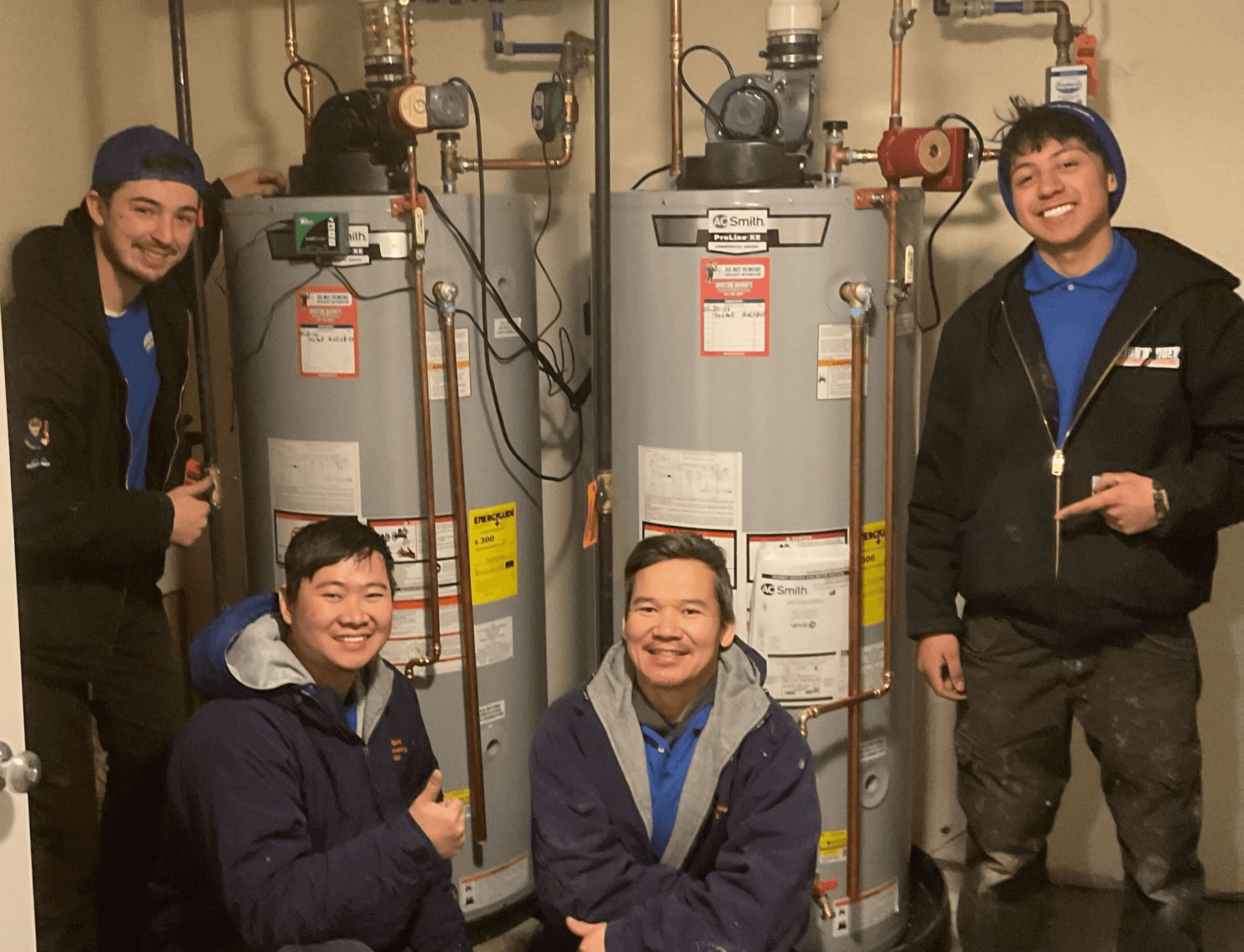
Facing hot water issues?
When that hot morning shower suddenly turns lukewarm, or you start hearing strange rumbling from the basement, your water heater is trying to tell you something. Learning to recognize these signs is the first step toward identifying the problem and deciding whether you need hot water repairs before a small issue turns into a major flood.
What Are the Signs of a Failing Water Heater
It almost always starts small. Maybe the water just doesn't seem to get as hot as it used to, or it runs out much faster than you remember. These are the early warnings that your water heater needs a look. If you ignore them, you could be setting yourself up for a complete breakdown and a very cold shower.
Knowing what to look for can help you make the right call and decide if it's time to search for hot water repairs near me.
Quick Symptom Checker for Your Hot Water Heater
Symptom | Likely Cause | Recommended Next Step |
|---|---|---|
Water temperatures fluctuate | Faulty thermostat or a failing heating element. | Check thermostat settings; for electric heaters, a professional may need to test the elements. |
Loud popping or rumbling noises | Heavy sediment buildup at the bottom of the tank. | This requires a professional tank flush to remove mineral scale and restore efficiency. |
Puddles or drips around the tank | Could be a simple loose fitting, but often it’s a crack in the internal tank. | Shut off water and power to the unit immediately and call a plumber for an inspection. |
Rusty or smelly water | Internal tank corrosion (rusty water) or a bad anode rod and bacteria (rotten egg smell). | This is a serious sign. Discolored water means the tank is failing; smelly water needs immediate professional service. |
No hot water at all | Gas heater pilot light is out; electric heater breaker tripped, or heating element failed. | Check your pilot light or circuit breaker first. If that doesn't work, it's time to call for service. |
Think of this as a quick-start guide. While it covers the most common issues, a professional diagnosis is always the safest bet for complex problems.
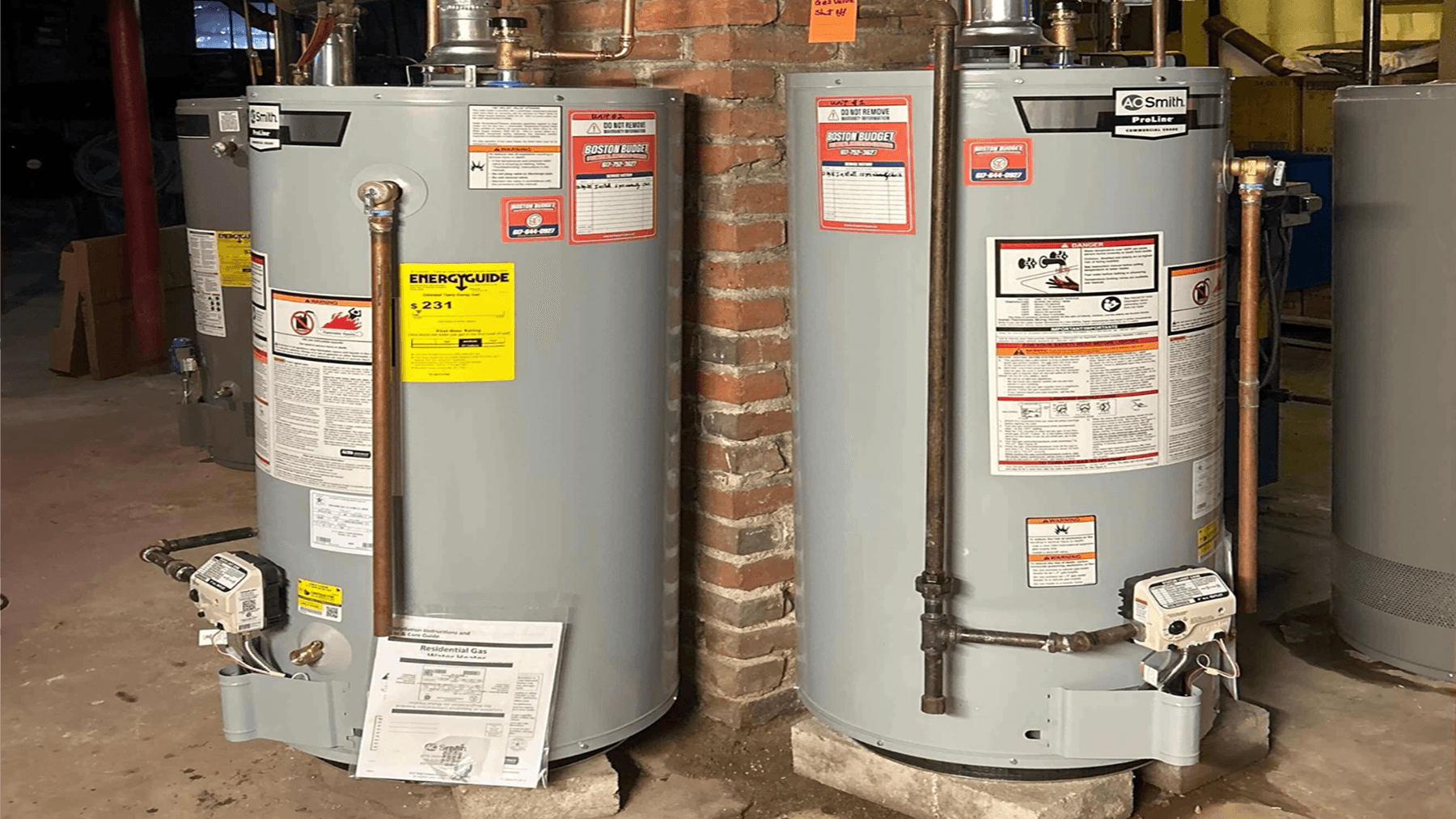
Common Warning Signs
Inconsistent Temperatures: If your water fluctuates from hot to cold without you touching the faucet, you may have a faulty thermostat or a failing heating element. It's a clear sign the unit is struggling to regulate its temperature.
Strange Noises: Popping, rumbling, or banging sounds almost always indicate sediment buildup in the tank. This is especially common in Greater Boston, where hard water is an issue. The sediment forces your heater to work much harder, wasting energy and drastically shortening its lifespan.
Leaks or Puddles: Any water around the base of your hot water tank is a major red flag. While you might get lucky with a simple loose-fitting, it more often signals a crack in the internal tank. Unfortunately, a cracked tank can't be repaired, which means a full replacement is needed.
Discolored or Smelly Water: Is your hot water coming out rusty or brown? That means the inside of your tank is corroding and breaking down. If you notice a "rotten egg" smell, that's an even more urgent problem caused by a failing anode rod and bacterial growth. Both of these issues require immediate attention from a professional.
No Hot Water at All: This is the most obvious sign of them all. For a gas hot water heater, the fix might be as simple as a pilot light that has gone out. On an electric model, you could be dealing with a tripped circuit breaker or a completely burned-out heating element.
A popping noise from your water heater is like a cry for help. It’s a clear signal that sediment is interfering with the heating process, putting stress on the tank and leading to premature failure if not addressed.
Safe Troubleshooting Steps You Can Do Yourself
Before you pick up the phone for professional hot water repairs, a few simple checks can sometimes solve the problem and save you the cost of a service call. These are steps any homeowner can safely perform to rule out the easy fixes first. Of course, safety should always be your top priority.
If you smell gas near your water heater or anywhere else in your home, do not touch any electrical switches or try to fix anything. Leave the house immediately, and then call your gas utility company or emergency services from a safe location. This is not a DIY situation.
With that essential warning in mind, here are a few low-risk troubleshooting steps you can take for common issues with both electric and gas hot water heaters.
For Electric Water Heaters
If you have an electric model and no hot water at all, the solution might be as simple as a tripped circuit breaker.
Check Your Circuit Breaker: Head over to your home's main electrical panel. Look for the circuit breaker dedicated to your water heater, which is often a larger, "double-pole" breaker. If it has tripped to the middle or "off" position, flip it firmly to "off," then back to "on."
Wait and See: After resetting the breaker, give the unit time to heat the water in the tank. Wait at least 30 to 60 minutes. If hot water returns, you may have solved the issue.
If the breaker trips again right away or keeps tripping, do not keep resetting it. This signals a more serious electrical problem that requires professional hot water heater repairs from a licensed expert.
For Gas Hot Water Heaters
For homes with gas units, the problem often comes down to the pilot light or a thermostat setting that got bumped.
Check the Thermostat: First, make sure the temperature dial on your hot water tank hasn't been accidentally turned down or set to "Pilot" or "Vacation" mode. Adjust it to a safe, normal temperature, which is typically around 120°F, according to the Department of Energy, for a balance of safety and performance.
Inspect the Pilot Light: Look through the small viewing window near the bottom of the tank. You should see a small, steady blue flame. If the flame is out, your owner's manual will have specific instructions for relighting it safely.
If you find the pilot light won't stay lit after a few attempts, it often points to a problem with the thermocouple. This is a common issue that a professional can fix quickly. Any work involving gas hot water repairs should always be left to a licensed plumber to ensure it's done safely and in compliance with code.
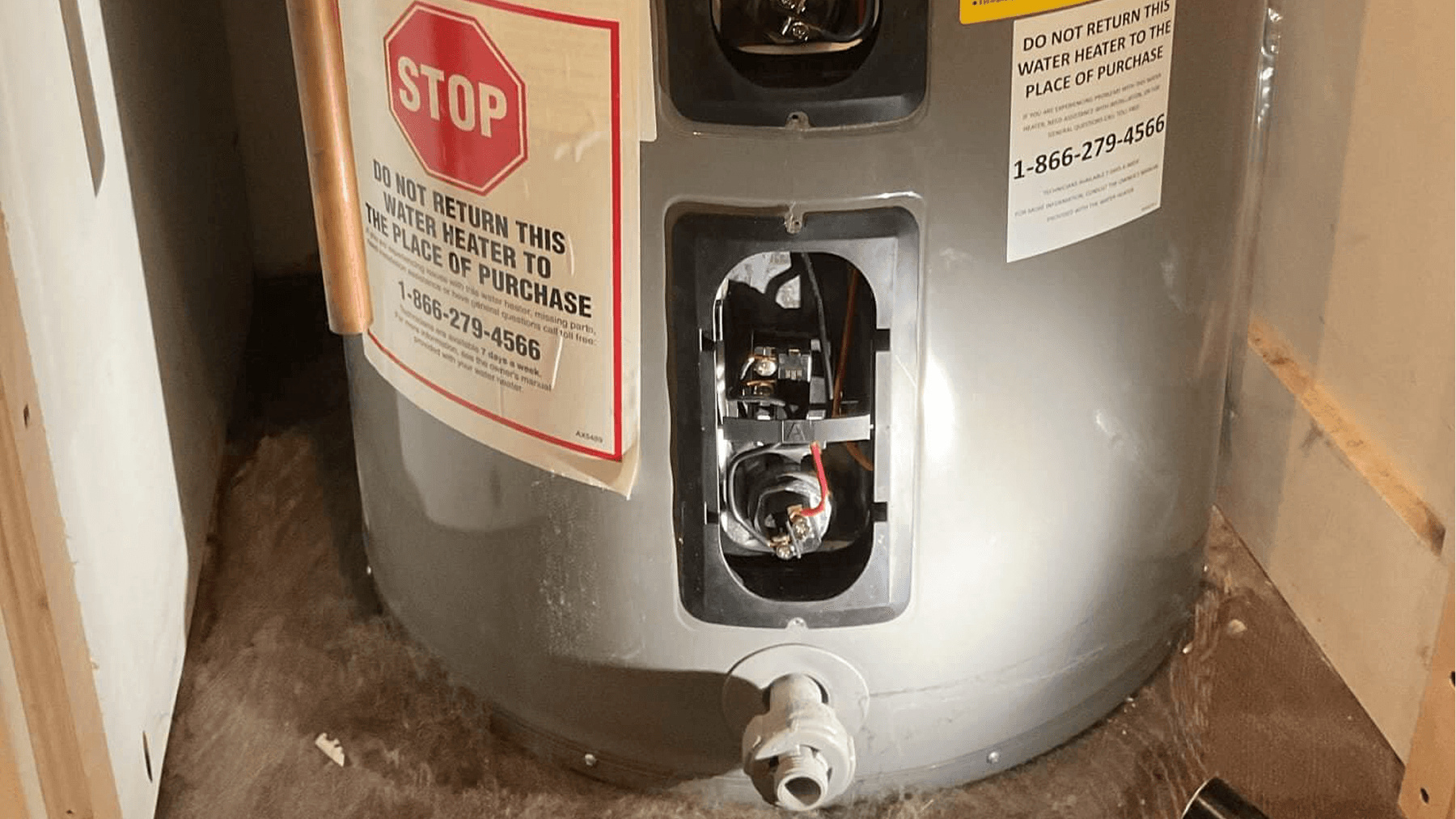
Understanding Your Home's Water Heater System
Before you can figure out why your shower went cold, you need to know what kind of water heater is working away in your basement. In the Greater Boston area, homes have all sorts of systems, each with its own quirks and common problems. Knowing which type you have is the first step to getting it fixed right.
Most homes, especially classic Boston triple-deckers and older single-family houses, have a conventional storage tank water heater. Just think of it as a big, insulated tank that heats and holds 40 to 50 gallons of water, so it’s ready the moment you need it. These come in two main flavors:
Gas Water Heaters: These use a gas burner at the bottom to heat the water. They tend to heat up quickly but need a proper vent to safely push exhaust fumes outside.
Electric Water Heaters: These use one or two heating elements inside the tank, like an electric stove, to heat the water. They're simpler to install because they don't need venting, but they can take longer to reheat after a long shower.
Modern and High-Efficiency Options
While those trusty tanks are still everywhere, many Boston homeowners are upgrading to newer, more efficient systems. Rebates from programs like Mass Save often help with that trend. The two big ones you'll see are tankless and heat pump water heaters.
A tankless water heater, which you might hear called an "on-demand" unit, doesn't store hot water. Instead, it heats water instantly as you need it. When you turn on a hot water tap, a powerful gas burner or electric element kicks on, giving you a nearly endless supply. They’re small, save energy, and can last for 20 years or more, way longer than a traditional tank.
A heat pump water heater (HPWH), sometimes called a hybrid model, is another super-efficient choice. It works kind of like a refrigerator in reverse. It absorbs heat from the air around it and transfers it to the water in its tank. Because it’s moving heat instead of making it from scratch, an HPWH can be two to three times more efficient than a standard electric heater.
The kind of water heater in your home, whether it’s a traditional gas tank, a modern tankless unit, or an efficient heat pump, is the biggest factor in how it performs, how long it lasts, and what kind of repairs you can expect down the road.
Common Hot Water Repairs and What to Expect
When your hot water suddenly disappears, it’s easy to assume the worst. But more often than not, the problem isn’t your entire water heater; it's a specific, worn-out part that’s causing the trouble. Understanding these common hot water repairs can take the mystery out of the process and give you a much clearer idea of what to expect when you call a professional.
A licensed plumber has the right tools and training to figure out exactly what’s wrong, whether it’s a quick fix or something more serious. They can pinpoint the root cause and get the job done safely.
Replacing Heating Elements and Thermostats
If you have an electric hot water heater, the problem often comes down to one of two components: the heating elements or the thermostat.
Heating Elements: Think of these as the workhorses inside your tank. They do the heavy lifting of actually heating the water. Over time, minerals in the water can build up on them, causing them to burn out. The result? Lukewarm or stone-cold water. Swapping out a burned-out element is a routine repair for a qualified technician.
Thermostats: The thermostat is the brain of the operation. It tells the heating elements when to kick on and when to shut off. If it goes bad, you might get water that’s dangerously hot, not hot at all, or bouncing between the two. A faulty thermostat is a relatively simple replacement for a professional.
Fixing a Leaking T&P Valve
Every storage tank water heater includes a critical safety feature called a Temperature and Pressure (T&P) relief valve. Its only job is to open and release water if the heat or pressure inside the tank climbs to dangerous levels, helping prevent an explosion.
If you spot a slow, steady drip coming from the pipe attached to this valve, it often means the valve itself has worn out and needs to be replaced. A plumber can handle this easily. But if that pipe is gushing water, the valve is likely doing its job and signaling a serious pressure problem that requires immediate professional help.
Replacing a Corroded Anode Rod
Tucked away inside your water heater’s tank is a part you’ve probably never seen: the anode rod. This long metal rod is designed to sacrifice itself by attracting corrosive elements in the water, protecting your steel tank from rusting out. It’s like a lightning rod for rust.
Once that rod is completely corroded, which usually takes a few years, the water starts eating away at the tank itself. Replacing a worn-out anode rod is a smart, inexpensive repair that can dramatically extend the life of your water heater, helping you avoid a catastrophic leak down the line. It's one of the most cost-effective hot water tank repairs a homeowner can make.
Water heaters in colder climates can be subject to greater thermal stress from incoming cold water. This constant expansion and contraction, combined with sediment buildup, can contribute to many of the common repairs homeowners face. You can explore more data on water heater trends to see how location impacts performance.
A licensed plumber from Boston Budget Plumbing, Heating & Cooling can quickly identify these common failures. We provide clear, budget-conscious options for all types of hot water heater repairs, so you can make the decision that's right for your home.
Deciding Between Repairing and Replacing Your Unit
When your water heater starts giving you trouble, you’re faced with a big question: should you pay for repairs, or is it time to invest in a whole new unit? Making the right call can save you a lot of money and prevent future headaches. The decision usually boils down to a few key factors you can weigh.
A great place to start is the age of your unit. Most conventional tank-style water heaters have a lifespan of about 8 to 12 years. If your heater is approaching that decade mark and starting to act up, replacement is often the smarter long-term move.
Key Factors to Consider
Before you make a call, it helps to think like a pro. A licensed plumber will walk you through these same considerations to find the most sensible and budget-friendly solution for your home.
Cost of the Repair: We often use a general rule of thumb. If a repair will cost more than half the price of a new water heater, it usually makes more financial sense to replace it. Sinking a lot of cash into an aging unit often feels like throwing good money after bad.
Frequency of Issues: Has this become a regular thing? If you’ve had to call for repairs once or twice in the last year, it’s a huge red flag that other parts are on their way out. Those constant repair bills can add up fast, often costing you more than a replacement would have in the long run.
Energy Efficiency: Let's be honest, an older water heater, even one that’s working fine, is almost certainly less efficient than a modern one. Upgrading can lead to real, noticeable savings on your monthly utility bills, helping the new unit pay for itself over time.
This flowchart keeps things simple. When problems pop up, getting a professional evaluation is the best way to get a clear, honest answer.
The Efficiency and Rebate Angle
Upgrading to a new, high-efficiency model, such as a heat pump water heater (HPWH), can significantly reduce your energy costs. The shift toward these units is growing, with market research projecting notable expansion in the coming years.
According to the U.S. Department of Energy, heat pump water heaters can reduce water heating energy use by over 60% compared to standard electric tanks. For Boston-area homeowners, incentives from programs like Mass Save can sometimes cover a substantial portion of the upgrade cost for qualifying households, making the switch a very attractive option.
Ultimately, choosing between repair and replacement is a balancing act between short-term costs and long-term value. For a deeper look at this topic, you might want to check out our guide on water heater repair vs. water heater replacement.
Why a Licensed Plumber Is Non-Negotiable for Hot Water Heater Work
When your hot water goes out, it’s tempting to look for a quick DIY fix. But what seems like a simple repair can quickly spiral into a serious hazard. That tank in your basement isn't just another appliance; it’s a powerful machine constantly managing a mix of water, high pressure, and either high-voltage electricity or a live gas line.
One wrong move during a repair can lead to catastrophic water damage, a dangerous electrical short, or a silent gas leak. That’s why, when it comes to your water heater, hiring a licensed professional isn't just a good idea; it's essential for keeping your family safe and your home protected.
Code Compliance and Your Family’s Safety
In many Massachusetts communities, a permit is required for most hot water heater repairs and especially for any new installation. This isn't just about red tape. It’s a system designed to make sure the work is done safely and meets the strict state and local building codes that protect you.
A licensed plumber handles this entire process, from helping you understand what is needed to arranging the final inspection. This guarantees every part of the job, whether it's on a gas or electric model, is fully compliant. It saves you from major headaches down the road, such as failed home inspections or denied insurance claims.
Choosing a licensed plumber is your single best defense against shoddy, unsafe work. It’s your assurance that the technician is trained, insured, and accountable for every repair they make in your home.
Why a Trusted Local Company Matters
With millions of water heaters failing every year in the U.S. alone, knowing who to call is critical.
At Boston Budget Plumbing, Heating & Cooling, we’re committed to being the reliable team you can count on. Our licensed and insured technicians show up on time, communicate what’s happening, and offer transparent, budget-friendly options. For more advice on picking the right pro, take a look at our guide on how to find a plumber in Boston. Our goal is simple: get the job done right, keep your home safe, and do it all without breaking your budget.
Frequently Asked Questions About Hot Water Repairs
Even after a bit of troubleshooting, it’s normal to have a few more questions floating around. Let's tackle some of the most common ones we hear from homeowners across the Boston area when their hot water goes out.
How Much Do Hot Water Repairs Typically Cost In Boston?
This is the big question, and the honest answer is: it completely depends on what’s wrong. The cost of a hot water repair in Boston can vary widely depending on the specific part that failed and the time required to fix it.
A simple fix, like adjusting a thermostat or relighting a pilot light, will be on the lower end of the scale. But if a major part needs to be replaced, for example, a leaky tank that can't be saved or a faulty gas control valve, the cost will naturally be higher to cover both the component and the skilled labor involved.
The best way to avoid surprises is to get a firm, upfront quote from a professional before any work starts. A reputable plumber will diagnose the problem first and give you clear, transparent pricing so you know exactly what to expect.
How Long Should My Water Heater Last?
A water heater's lifespan really comes down to the type of unit you have and how well it's been maintained.
A traditional hot water tank usually provides reliable service for 8 to 12 years. On the other hand, a modern tankless water heater can often last 20 years or even longer, especially with regular maintenance.
If your water heater is creeping past the 10-year mark and you’re calling for repairs more and more often, replacement is almost always the smarter financial decision. A good technician can help you weigh the cost of another repair against the long-term savings of a new, high-efficiency model.
Is It Safe to Repair My Own Water Heater?
While some very basic steps are fine for a homeowner to handle, like checking the circuit breaker or looking for obvious leaks, almost all other hot water heater repairs should be left to a licensed professional. There’s just too much at stake.
These units are a complex mix of high-pressure water, scalding temperatures, high-voltage electricity, and, in many cases, a natural gas line. One small mistake can go wrong in a big way.
A DIY repair gone wrong can quickly lead to serious water damage, a nasty burn, or even create a fire or carbon monoxide hazard. For your family’s safety and to ensure everything complies with Massachusetts code, your best and safest option is always to call a licensed and insured plumber.
When you need reliable, budget-conscious solutions for your home's plumbing and heating, trust the experts at Boston Budget Plumbing, Heating & Cooling. Whether it's an emergency repair or a planned upgrade, our team is ready to help. Call us today to schedule your service. Find out more at https://bostonbudgetplumbing.com.
Boston Budget is a locally owned plumbing, heating, and cooling company proudly serving homeowners in Boston, Quincy, Dorchester, Weymouth, and the surrounding communities. We specialize in boiler maintenance, heating repairs, and energy-efficient HVAC upgrade designed to keep your home safe, comfortable, and affordable, especially during harsh New England winters. With reliable service, transparent pricing, and fast response times, Boston Budget is your trusted local choice for plumbing and heating solutions.


