What’s Included in an HVAC Tune-Up? A Complete Guide for Homeowners
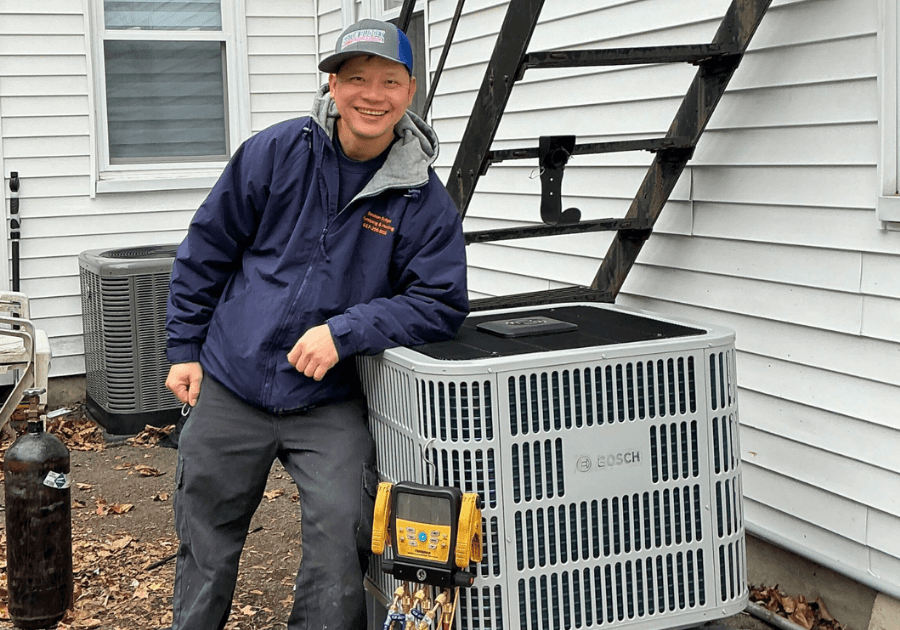
An HVAC tune-up is a professional checkup for your heating and cooling system. A licensed technician inspects, cleans, and fine-tunes everything to ensure it’s running at peak performance. Think of it like a regular oil change for your car: it’s essential care meant to catch small issues before they snowball into major, expensive breakdowns, especially right before a demanding Boston winter or summer.
Why an Annual HVAC Tune-Up Is Your Best Investment
Your home’s HVAC system is one of its hardest-working appliances. It runs quietly in the background, keeping your family comfortable through muggy Boston summers and frigid Nor’easters. But when that system is ignored, the first sign of trouble usually appears at the worst possible time, like your AC giving out during a July heatwave or the furnace quitting on a freezing January night.
An annual HVAC tune-up isn't just another chore. It's a proactive investment in your home's health and your wallet. It is one of the most effective ways to protect your equipment and your comfort.
The Financial Benefits of Proactive Care
Preventive maintenance is an expense that can save you money in the long run. A well-maintained system works better and can use less energy to do its job.
Improved Energy Efficiency: A well-maintained system operates more efficiently than a neglected one. Since heating and cooling often make up a significant portion of your utility bills, efficiency improvements can translate into monthly savings.
Prevention of Costly Breakdowns: Many major HVAC failures, like a fried compressor or a dead blower motor, don't just happen overnight. They are often the result of months or even years of unaddressed wear and tear. A tune-up can help you avoid an emergency repair bill that could easily climb into the thousands.
Extended Equipment Lifespan: A professional tune-up can help your furnace, boiler, or air conditioner last longer. By cleaning crucial components, lubricating moving parts, and fixing minor issues, a technician reduces the daily strain on your system. This helps you get the most out of your original investment.
Enhancing Home Safety and Comfort
Beyond the savings, routine service is critical for your family’s safety.
During a tune-up, a technician will inspect the heat exchanger for cracks, check for proper combustion, and ensure all safety controls are functioning properly. This can provide significant peace of mind. On top of that, homeowners can often get rebates on new, high-efficiency equipment. You can learn more about the Mass Save program rebates, which can make important upgrades much more affordable.
Your Comprehensive HVAC Tune-Up Checklist
When you schedule an HVAC tune-up service, what are you really getting? It’s more than just a quick look-over. Think of it as a thorough physical for your heating and cooling system, a chance for a trained professional to inspect, clean, and fine-tune all the critical parts before the season puts them to the test.
Knowing what a technician should be doing helps you understand the value you’re getting and spot a job done right. A quality tune-up is a methodical process in which a technician follows a detailed checklist to boost efficiency, ensure safety, and catch small issues before they become costly breakdowns.
The work pays off in three key ways: better comfort, potential savings on your utility bills, and a safer home.
While some tasks are universal, such as checking the thermostat and changing the filter, the focus shifts with the season. An AC tune-up in the spring is different from a furnace check-up in the fall.
Cooling vs Heating Tune-Up Checklist
Task | Cooling System (AC/Heat Pump) | Heating System (Furnace/Boiler) |
Inspect Key Components | Condenser and evaporator coils, fan motor, and blades. | Heat exchanger, burners, and ignition assembly. |
Clean Critical Parts | Clean outdoor condenser coils and indoor evaporator coils. | Clean and adjust furnace burners and flame sensor. |
Check Fluids/Pressure | Measure refrigerant levels and check for leaks. | Check and adjust gas pressure for safe, efficient combustion. |
Manage Condensation | Clear and flush the condensate drain line to prevent clogs. | N/A (focus is on combustion and heat transfer). |
Test Safety Controls | Inspect electrical connections and measure amperage. | Test safety shut-offs, limit switches, and carbon monoxide detectors. |
Verify Airflow | Check blower components and airflow across the system. | Check blower components and ensure proper venting of exhaust gases. |
These checklists ensure we cover all the bases, whether we're getting you ready for a humid Boston summer or a frigid New England winter.
What Happens During a Spring Cooling Tune-Up?
When we visit in the spring, our goal is to get your air conditioner or heat pump ready for the marathon of a Boston summer. The focus is squarely on components that deliver efficient, reliable cooling.
A typical cooling system tune-up includes these steps:
Clean Condenser and Evaporator Coils: Dirt on your system’s coils acts like an insulating blanket, forcing your AC to work much harder to cool your home. We give them a thorough cleaning, which is one of the fastest ways to restore efficiency.
Check Refrigerant Levels: Refrigerant is the substance that moves heat from inside your house to the outside. A low level often indicates a leak. We’ll measure the charge and, if needed, recommend steps to find and fix the leak, because refrigerant shouldn’t just "run out" in a healthy system.
Clear the Condensate Drain Line: As your AC pulls humidity out of the air, it creates water. A drain line carries this water away, but it can get clogged with sludge and algae, potentially causing backups and water damage. Flushing this line is a simple but critical step.
Inspect Electrical Connections: We inspect and tighten all electrical connections, measure motor voltage, and check for any worn-out wiring. Loose connections can be a fire hazard and a common cause of component failures.
What Happens During a Fall Heating Tune-Up?
In the fall, the HVAC tune-up focuses on your furnace or boiler. This service is all about ensuring your system operates safely and dependably through the coldest months of the year.
For a heating system tune-up, our technicians will:
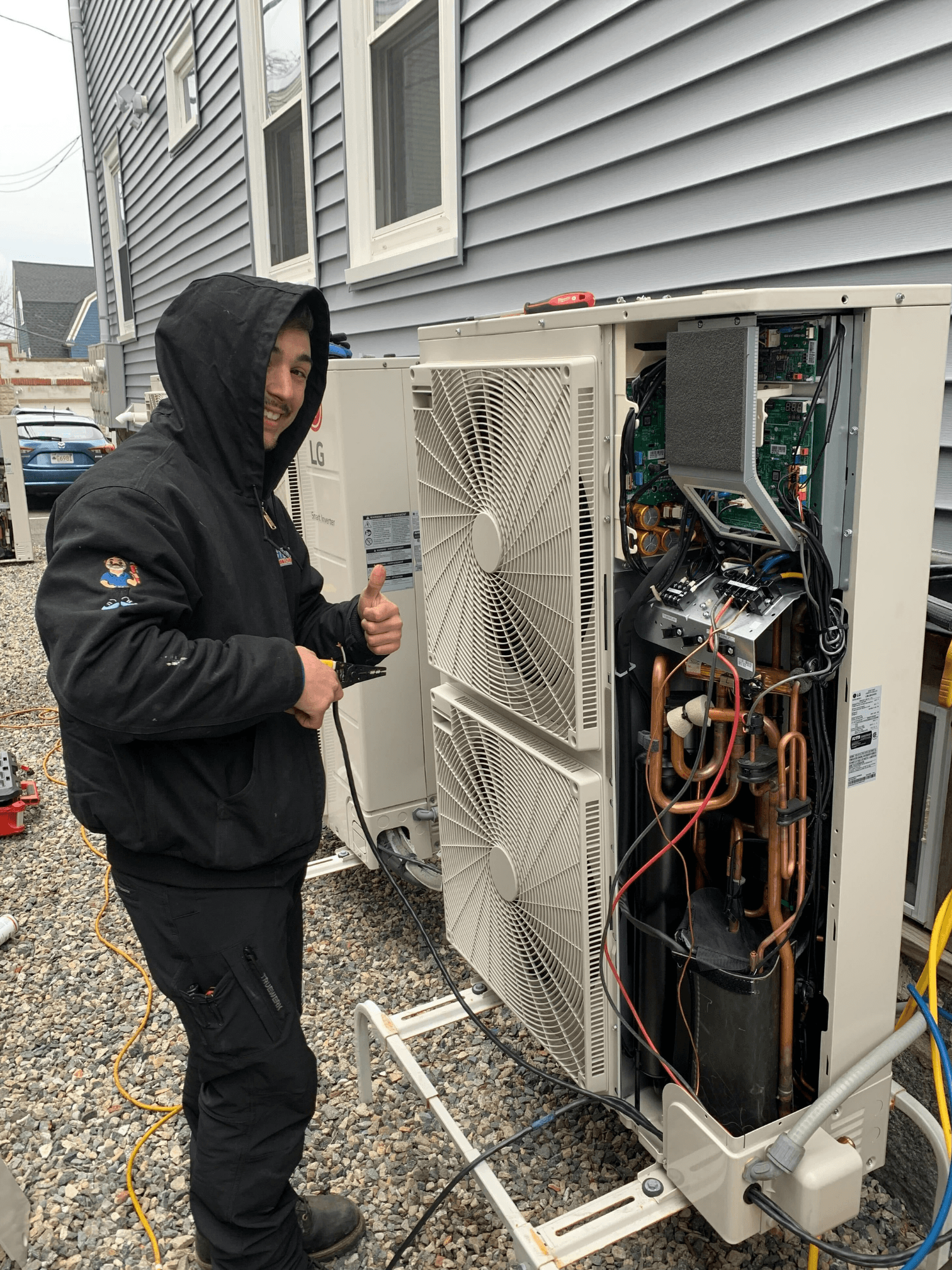
Inspect the Heat Exchanger: In a furnace, the heat exchanger keeps the combustion gases separate from the air you breathe. We inspect it carefully for cracks or other weak spots that could lead to a dangerous carbon monoxide leak. This is the single most important safety check for any furnace.
Clean and Adjust Burners: Soot and corrosion on the burners can lead to wasted fuel and unreliable ignition. A technician will clean the burners and check the ignition system to ensure a smooth, solid startup every time your heat kicks on.
Test Safety Controls: Your furnace has several built-in safety switches designed to shut the unit down if it overheats or another problem occurs. We test these controls to make sure they’re working as they should.
Check and Adjust Gas Pressure: The gas valve needs to be set to deliver the right amount of fuel for clean, efficient combustion. Using specialized tools, we’ll measure and adjust the pressure to match the manufacturer's specifications.
A professional HVAC tune-up service is a comprehensive diagnostic check. The technician’s goal isn’t just to wipe things down; it’s to collect data on your system's health, spot signs of wear, and make sure it’s ready to perform at its peak for the season ahead.
Understanding this checklist helps you see an HVAC tune-up for what it is: a meticulous service that directly impacts your system's performance, safety, and lifespan. For an even deeper look at what makes a maintenance plan effective, you can gain more insight by reading our complete guide to HVAC maintenance.
The True Cost of Skipping Your Annual Tune-Up
It’s easy to put off your annual HVAC tune-up. It can feel like an expense you can skip to save a few bucks, especially when everything seems to be working just fine. But that small, deferred service can quietly snowball into some of the most inconvenient and expensive headaches a homeowner can face.
Skipping routine maintenance is a gamble. What starts as a minor issue that a technician could fix in minutes during a tune-up often spirals into a catastrophic failure when ignored. It’s the difference between a simple cleaning and a full-blown emergency in the dead of a Boston winter.
The Domino Effect of Neglect
A homeowner decides to skip their fall furnace tune-up. Unseen, inside the furnace, a dirty filter is slowly choking the system, forcing the blower motor to work harder and harder just to push air through the house.
Over the winter, this constant strain makes the motor overheat again and again. Then, on a frigid January night, it gives out completely. The house goes cold. What would have been a quick filter change during a routine HVAC tune-up service is now an urgent, middle-of-the-night emergency call and a bill for hundreds of dollars to replace the motor.
This isn’t a rare scenario. It’s a direct consequence of putting off maintenance, where one small problem can trigger a much bigger, costlier one.
Think of an annual tune-up as insurance for your comfort. You're paying a small, predictable amount to help protect yourself from a large, unexpected expense and the major disruption of a home without heating or cooling.
The Most Common Preventable Repairs
Many of the most expensive HVAC repairs are the predictable result of neglecting the small stuff that a professional HVAC tune-up is designed to catch.
Here are some of the high-cost failures we see that can sometimes be caused by skipping service:
Compressor Failure: The compressor is the heart of your air conditioner. When coils are caked with dirt or refrigerant levels are off, the compressor can run under extreme stress and eventually burn out. A replacement can cost thousands of dollars.
Cracked Heat Exchanger: As we’ve mentioned before, this is a serious safety hazard in a furnace. Constant overheating from poor airflow can weaken and crack the metal, potentially allowing carbon monoxide to leak into your home. It’s an expensive fix and a primary thing we check during any heating tune-up.
Blower Motor Burnout: Just like in our story, a restricted blower motor will eventually fail. This leaves you with no airflow for heating or cooling and almost always results in an emergency call.
Evaporator Coil Replacement: When indoor coils are coated with dirt and dust, they can’t absorb heat properly. This can lead to corrosion and, eventually, refrigerant leaks. It’s a labor-intensive repair that is often preventable with regular cleaning.
When you compare the modest cost of a tune-up with a potential multi-thousand-dollar compressor replacement or a significant heat exchanger repair, the math is pretty clear. The cost of prevention is often lower than the cost of the cure.
When to Schedule Your HVAC Tune-Up in Massachusetts
Here in New England, we know timing is everything. You don't want to wait for the first sweltering heatwave to think about your air conditioner. Scheduling your HVAC tune-up at the right time not only gets your system ready for the season but also helps you avoid the frantic pre-season rush.
For Boston area homeowners, the secret is booking maintenance during the “shoulder seasons.” These are the mild, in-between months just before your system has to kick into high gear. A little planning now means more flexible appointment times and the peace of mind that comes from knowing your equipment is ready when you need it most.
The Ideal Timing for Your Tune-Up
Think of your HVAC system as having two separate jobs: a summer player (your AC) and a winter player (your furnace or boiler). Each one needs a pre-season check-up to perform at its best.
For Your Cooling System (AC or Heat Pump): The best time for this tune-up is in the spring, ideally between March and May. This gets your system professionally cleaned and inspected before the first humid days of June show up.
For Your Heating System (Furnace or Boiler): Schedule this tune-up in the fall, sometime between September and October. This ensures your furnace is running safely and efficiently before the first real cold snap hits, giving you plenty of time to handle any issues the technician might find.
By scheduling your maintenance in the spring and fall, you get ahead of the game. It’s the difference between a calm, planned service call and a stressful emergency when every other homeowner in Boston is also dialing for help.
Warning Signs That Demand Immediate Attention
While a twice-a-year plan is the gold standard, your system can give you hints of trouble at any time. If you notice any of these red flags, don’t wait for your next scheduled appointment. Call a professional, because these symptoms can point to a small problem that could become a big one.
Strange Noises: Your system should produce a background hum, not loud noises. Any grinding, rattling, squealing, or loud banging sounds can indicate a part is loose, worn, or failing.
Weak or Uneven Airflow: If some rooms feel fine while others are stuffy or freezing, or if the air from your vents feels weak, you could have a clogged filter, a failing blower motor, or blocked ductwork.
Frequent Cycling: Does your AC or furnace turn on and off every few minutes? That’s called “short cycling.” It puts strain on your equipment, can increase energy bills, and is a classic sign that something is wrong.
Sudden Spikes in Utility Bills: If your energy costs suddenly jump without an obvious reason, your HVAC system is a likely culprit. An inefficient system has to work harder than it should to keep your home comfortable.
Unpleasant Odors: Musty smells can point to moisture in your ductwork or a backed-up drain line. Burning or electrical odors are even more serious. If you smell those, shut the system off immediately and call for an emergency inspection.
Knowing these warning signs helps you take action before a minor headache turns into a major breakdown. For a deeper dive, especially on heating systems, our guide on how often you should schedule professional furnace maintenance in MA offers more tips.
DIY Maintenance vs. Professional HVAC Service
Keeping your HVAC system in good shape is a partnership. There are a few simple things every homeowner can do to help their system run smoothly. These are your first line of defense.
But then there are the technical jobs, the ones that require specialized tools, training, and an understanding of how these complex machines work safely. That’s where a professional comes in. Your role in day-to-day upkeep is crucial, but it doesn't replace the need for an expert tune-up.
Easy DIY Tasks for Every Homeowner
These simple steps don’t require special knowledge, but they can make a big difference in your system's health and your energy bills. Adding them to your regular home maintenance routine can prevent common headaches.
A few key tasks you can handle yourself include:
Changing Your Air Filter Regularly: This is the single most important thing you can do. When a filter gets clogged with dust, it restricts airflow, forcing the system to work harder. That can drive up energy costs and strain the fan motor. Check it monthly and plan to replace it every 1-3 months, depending on your home and filter type.
Keeping the Outdoor Unit Clear: Your outdoor AC or heat pump unit needs room to breathe. Make it a habit to clear away leaves, grass clippings, and any branches that are too close. You want at least 2 feet of clearance all around the unit for it to work efficiently.
Checking Your Thermostat: Make sure your thermostat is working properly. If you have a programmable thermostat, check that the schedule still matches your family’s routine so you’re not heating or cooling an empty house.
Visually Inspecting Vents: Do a quick walkthrough of your home. Do furniture, rugs, or curtains block any supply or return vents? Proper airflow is critical for your system to heat and cool your home evenly.
These are straightforward, safe, and effective ways to support your HVAC system. They are not, however, a substitute for a professional HVAC tune-up service.
When to Call a Licensed Professional
The line between DIY and a professional job is drawn at safety and complexity. Any task that involves opening the main unit, handling electrical wiring, working with natural gas lines, or measuring pressurized refrigerants is for a trained and licensed technician. These jobs require specific tools, a working knowledge of Massachusetts codes, and respect for the real risks involved.
Trying to perform your own technical diagnostics or repairs isn’t just a risk to your equipment; it's a serious risk to your safety. Anything involving high voltage, combustible fuels, or pressurized chemicals should only be handled by a qualified professional.
This table helps clarify which jobs a homeowner can do safely and which require a professional.
DIY Tasks vs. Professional Service
Maintenance Task | Recommended for Homeowner (DIY) | Requires a Licensed Professional |
Change Air Filter | Yes | No |
Clear Debris from Outdoor Unit | Yes | No |
Inspect and Tighten Electrical Connections | No | Yes |
Measure Refrigerant Levels | No | Yes |
Clean and Adjust Furnace Burners | No | Yes |
Flush Condensate Drain Line | Yes (if easily accessible) | Yes (if clog is severe) |
Inspect Heat Exchanger for Cracks | No | Yes |
Check Blower Motor Amperage | No | Yes |
Ultimately, a professional tune-up HVAC service is about protecting your investment and ensuring your system runs safely. At Boston Budget Plumbing, our licensed technicians have the training and tools to do the job right, giving you peace of mind that your home will be comfortable and safe.
Choosing the Right HVAC Partner in the Boston Area
The quality of your HVAC tune-up depends on the person who performs it. Finding a trustworthy and skilled contractor in the Greater Boston area is just as important as the service itself. A great partner isn't just there to fix what’s broken; they are there to help you protect your investment, make your home more comfortable, and keep your system running safely for years.
When you start looking, your goal should be to find a company you can rely on, season after season. It's about building a relationship with a local team that values expertise, transparency, and doing the job right the first time.
Verifying Credentials and Reputation
Before you let anyone work on your heating and cooling equipment, a little homework goes a long way. This is about making sure the company you hire is qualified, insured, and trusted by your neighbors.
Start with these essentials:
Licensing and Insurance: Always confirm the contractor holds the proper Massachusetts licenses for heating and cooling work. This is non-negotiable. It’s also important to verify they carry full liability and workers' compensation insurance to protect you and your home.
Local Reviews and Reputation: Look for recent homeowner reviews in your area. Positive feedback that mentions punctuality, clear communication, and a clean work area is a great sign of a professional operation.
Transparent Pricing: A trustworthy company will be upfront about its pricing. Ask for a clear breakdown of their HVAC tune-up rates and exactly what they include. Be wary of any contractor who is vague about costs or pressures you into a fast decision.
What to Expect from a Quality Partner
A professional HVAC company also uses modern tools to make your life easier. This kind of attention to detail often reflects the quality of their technical work as well.
A great HVAC partner is focused on education, not just sales. They should take the time to explain what they’re doing, show you any parts that need attention, and provide clear options without high-pressure tactics.
Finally, a knowledgeable local contractor is your best guide for energy-efficiency programs. They should be familiar with initiatives like Mass Save and be able to explain how a high-efficiency upgrade could qualify you for significant rebates, making your home more comfortable and affordable.
At Boston Budget Plumbing, we pride ourselves on being a reliable partner to homeowners across the Boston area.
Frequently Asked Questions About HVAC Tune-Ups
Even when you know a tune-up is a good idea, a few questions always come up. You want to feel confident you're making the right call for your home. Here are some straightforward answers to the questions we hear most from homeowners around Boston.
How Much Does an HVAC Tune-Up Cost in the Boston Area?
In the Greater Boston area, a standard tune-up for a furnace or central air conditioner typically costs between $150 and $300. The final cost can depend on the company you choose and the type of system you have. More complex equipment, like a high-efficiency boiler or a specialized heat pump, might be on the higher end of that range.
The most important thing is to ask what’s included. A trustworthy company will give you a clear checklist of every task they'll perform, so you know where your money is going.
How Long Does a Professional Tune-Up Take?
A proper, thorough HVAC tune-up generally takes a technician between 60 and 90 minutes to complete. If someone is in and out of your house in 20 minutes, they may have skipped critical safety and efficiency checks.
That one-hour-plus window gives a skilled technician enough time to work through their entire checklist. They'll clean key parts, inspect electrical connections, verify fluid levels, and run tests to ensure your system is performing as it should.
Does a Brand-New HVAC System Still Need a Tune-Up?
Yes, absolutely. In fact, it’s one of the most important things you can do for a new system. Most manufacturers require annual maintenance to keep your warranty valid. If a major part fails and you can’t show that the unit was professionally serviced each year, they could deny the warranty claim.
A new system is a major investment. An annual tune-up is the proactive step you take to protect that investment, ensure it runs at peak efficiency from day one, and keep your valuable warranty intact.
What Happens if the Technician Finds a Problem?
If our technician spots an issue during your tune-up, our process is built on clear communication. We’ll stop, show you what we found, and explain the problem in plain English.
From there, we’ll give you clear, upfront options and pricing for any necessary repairs. You’ll have all the information you need to make a decision that feels right for you, with no pressure or hidden fees. Our goal is to give you a complete picture of your system’s health and find the best solution for your home and budget.
Ready to ensure your heating and cooling system is safe, efficient, and reliable for the season ahead? The licensed and experienced team at Boston Budget Plumbing, Inc. is here to help. We provide thorough, transparent HVAC tune-ups for homeowners all across Greater Boston. Call us today at (617) 644-0012.
Boston Budget is a locally owned plumbing, heating, and cooling company proudly serving homeowners in Boston, Quincy, Dorchester, Weymouth, and the surrounding communities. We specialize in boiler maintenance, heating repairs, and energy-efficient HVAC upgrade designed to keep your home safe, comfortable, and affordable, especially during harsh New England winters. With reliable service, transparent pricing, and fast response times, Boston Budget is your trusted local choice for plumbing and heating solutions.


