Heat Pump Not Cooling? This Could Be Why
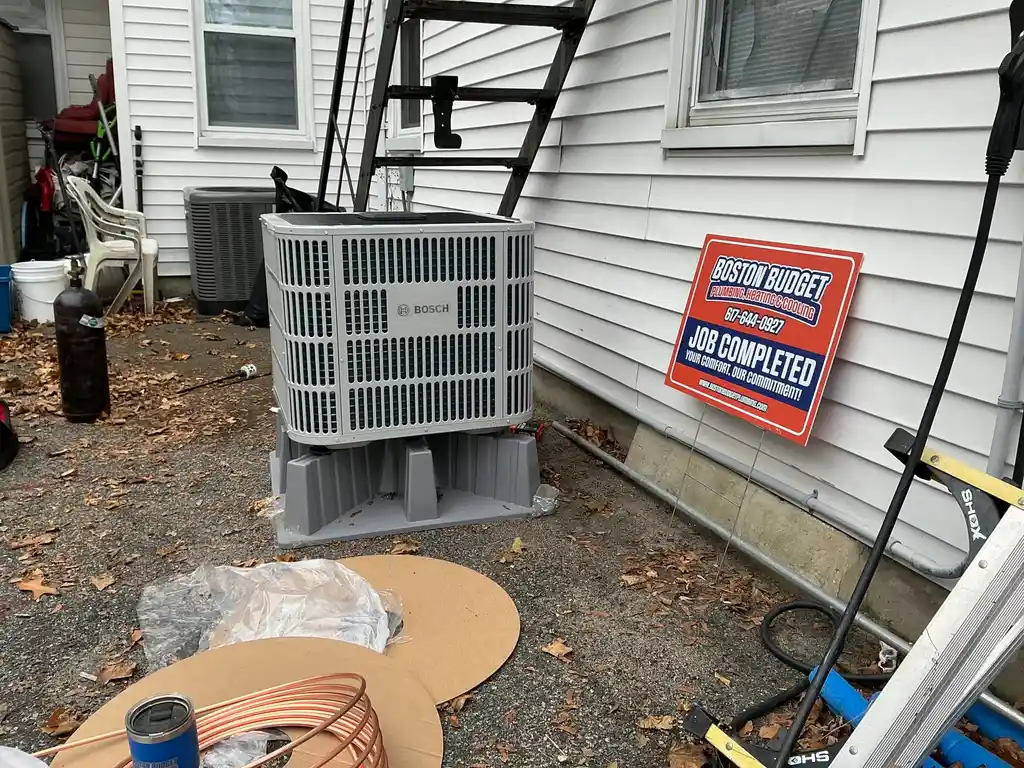
When your heat pump quits on the first sticky Boston hot spell, it usually feels bigger than it is. The thermostat says cool, the fan is running, and yet the house still feels muggy and warm.
A lot of no-cool calls start with something simple. A thermostat setting got bumped. The filter is packed. The outdoor unit can't breathe. Others point to a real mechanical problem that needs testing, not guessing. The key is knowing which is which, and knowing what you can safely check yourself before you pay for a service visit.
Why Your Heat Pump Is a Summer Workhorse
In summer, a heat pump works like an air conditioner. It doesn't create cold air out of nowhere. It moves heat from inside your home to the outdoors.
The U.S. Department of Energy explains that an air-source heat pump uses a compressor, indoor and outdoor coils, and a reversing valve to shift refrigerant flow between heating and cooling modes. DOE also notes that properly installed systems can deliver 2 to 4 times more heat energy than the electrical energy they consume, which is a big reason homeowners choose them for efficient comfort in both seasons. You can read that directly in the DOE overview of air-source heat pumps.
That efficiency is also why a heat pump not cooling often comes down to a smaller issue than people expect. If airflow drops, if the coil gets dirty, or if the system can't reject heat outdoors, performance falls off fast. The equipment may still run, but it won't move heat the way it should.
Why small issues cause big comfort problems
Boston homes make this more noticeable. Triple-deckers, tighter renovated spaces, older duct layouts, and upper floors that hold heat can all make a system feel weak sooner than a homeowner expects.
If your house has uneven rooms or suspect duct leakage, it's worth learning how air distribution affects comfort before blaming the equipment itself. This short guide to compare Aeroseal duct sealing prices is useful for understanding that side of the problem. For a simpler overview of how these systems work, see this heat pump guide from Boston Budget.
A heat pump can be running normally and still leave the house uncomfortable if the home can't move or hold cooled air properly.
What homeowners should keep in mind
The most important mindset is this: don't assume the whole system has failed just because the air feels lukewarm. Start with the basics first. Many cooling complaints are really control, power, or airflow issues.
Safe DIY Checks Before You Call for Service
Before touching anything, keep the safety line clear. Homeowners can check settings, filters, visible airflow conditions, and breakers. Homeowners should not open electrical panels on equipment, handle refrigerant, or take apart components.
Neutral industry guidance suggests a practical sequence for a heat pump not cooling problem: check thermostat mode and setpoint, then power resets and breakers, then inspect the filter and outdoor airflow. That sequence often resolves the issue without a technician, according to this heat pump troubleshooting guide.
Start at the thermostat
This sounds obvious, but it solves plenty of service calls.
Check the mode: Make sure it's set to cooling, not heat or off.
Lower the setpoint: Set it below the current room temperature so the system calls for cooling.
Look at the fan setting: If the fan is set to on instead of auto, the system may keep circulating room air between cooling cycles, which can make it seem like the unit isn't cooling.
If the display is blank, that points more toward a power or thermostat issue than a cooling issue.
Confirm the system has power
You don't need to touch wiring to do a basic power check.
Check the breaker panel: If the HVAC breaker is tripped, reset it once.
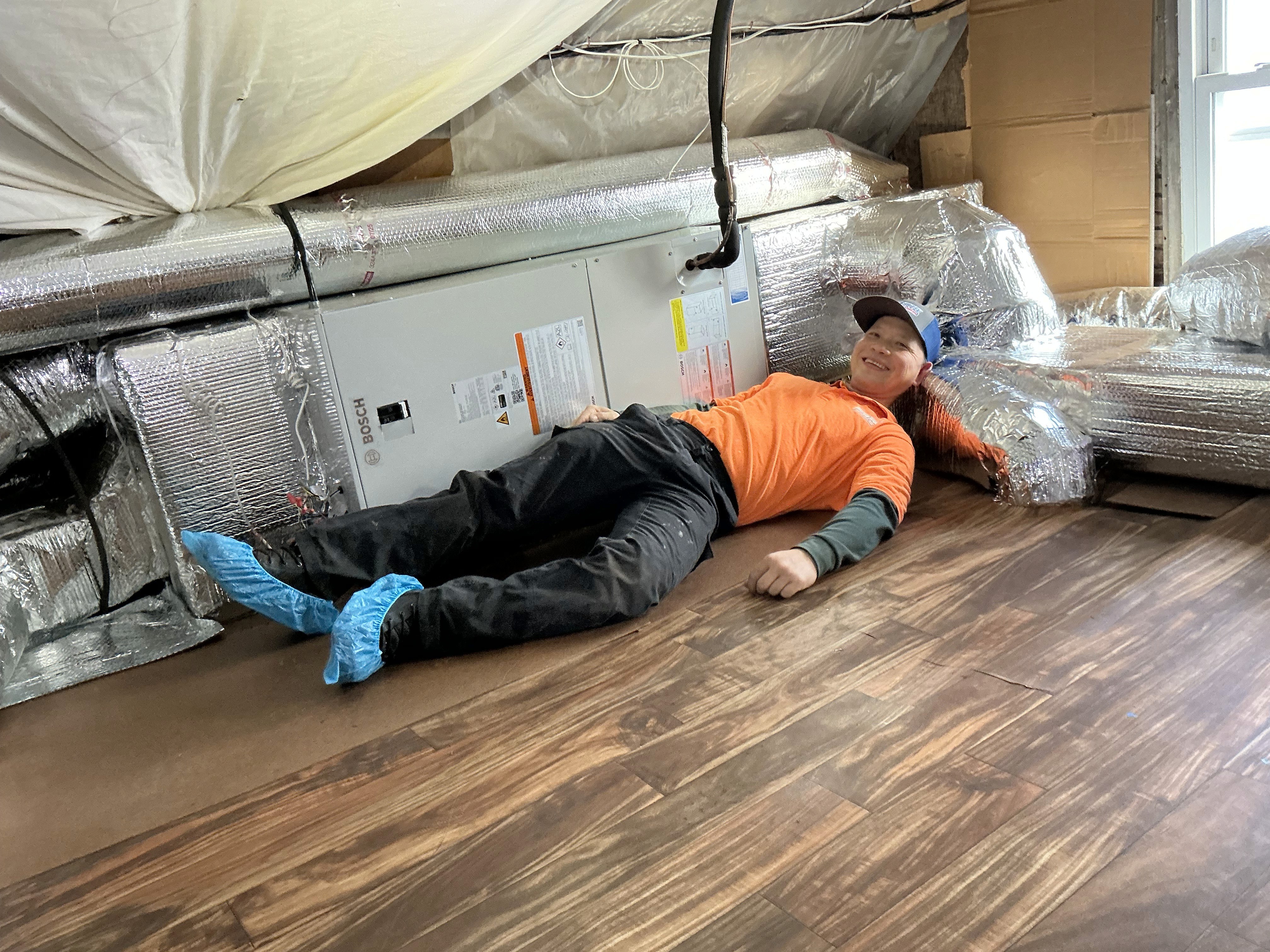
Look at the indoor switch: Many air handlers have a nearby service switch that looks like a standard wall switch.
Inspect the outdoor disconnect visually: Make sure it appears in the on position, but don't open or handle wiring.
Inspect the air filter
A clogged filter is one of the most common reasons a heat pump not cooling complaint turns into a no-cool visit.
Pull the filter out and hold it up to a light. If light barely passes through, replace it. Don't keep running the system with a heavily loaded filter and hope it clears up on its own. Restricted airflow can lead to weak cooling and, in some cases, icing.
Check the outdoor unit
Walk outside and look for anything that blocks air movement through the coil.
Remove debris: Leaves, grass clippings, and trash around the cabinet should be cleared away.
Trim growth back: Shrubs and plants shouldn't crowd the unit.
Look for obvious icing: If you see heavy ice, don't chip at it.
Run the system after these basic checks and give it a little time to respond. If it still isn't cooling after a reasonable run period, the issue is probably past the DIY stage.
Signs of Deeper Heat Pump Problems
Some symptoms tell you right away that the problem isn't just a dirty filter or a bumped thermostat. These are the calls where a technician needs gauges, meters, and a full diagnostic process.
Ice that doesn't clear
A little frost can be normal during defrost operation in heating mode. A solid block of ice that stays put is different.
Expert troubleshooting guidance treats that as a major red flag, often tied to low refrigerant, severe airflow restriction, or a defrost or control problem. That's covered clearly in this professional troubleshooting reference.
If you see persistent ice on the coil or refrigerant lines in summer, turn the system off and call for service. Don't keep forcing it to run.
Warm air when cooling mode is selected
If the thermostat is definitely calling for cool and the fan is on auto, but the vents are blowing warm air, the issue may be deeper in the system. One common example is a reversing valve that isn't switching properly between heating and cooling modes.
That isn't a homeowner repair. It takes testing to separate a valve problem from refrigerant issues, electrical faults, or a compressor problem.
Strange sounds and nonstop running
A healthy heat pump has a normal operating sound. It shouldn't grind, squeal, clank, or sound like it's struggling to start over and over.
Watch for patterns like these:
Constant operation with poor comfort: The system runs and runs, but the house never reaches set temperature.
Short cycling: It starts, stops, and starts again without settling into a normal run.
New mechanical noise: A sudden change in sound usually means something changed inside the equipment.
If the unit is cooling some, but not enough, that doesn't always mean the equipment is dead. In Boston, high outdoor heat, duct losses, and airflow problems can make a working system feel underpowered.
That difference matters. "Not cooling at all" usually points to a direct failure. "Cooling, but not enough" can involve equipment, ductwork, airflow, or house load.
Deciding Between Repair and Replacement
Once a technician finds the actual fault, the next question is financial, not mechanical. Is this a repair worth making, or is it time to stop putting money into an aging system?
There isn't one rule that fits every house. The right call depends on the condition of the equipment, the size of the repair, and whether the system has been reliable or has started turning into a repeat problem.
When repair still makes sense
Repair is usually the better path when the issue is limited, the system has been dependable, and the rest of the equipment is in decent shape.
Good repair candidates often look like this:
The problem is isolated: One failed part is causing the trouble, not a chain of issues.
Cooling performance was solid before this: The system wasn't already struggling through last summer.
You need a targeted fix: Sometimes restoring airflow, correcting a control issue, or replacing a smaller component is the practical move.
A homeowner shouldn't decide this based on the symptom alone. "Warm air" can come from several very different faults, and the repair outlook changes depending on which component failed.
When replacement deserves a serious look
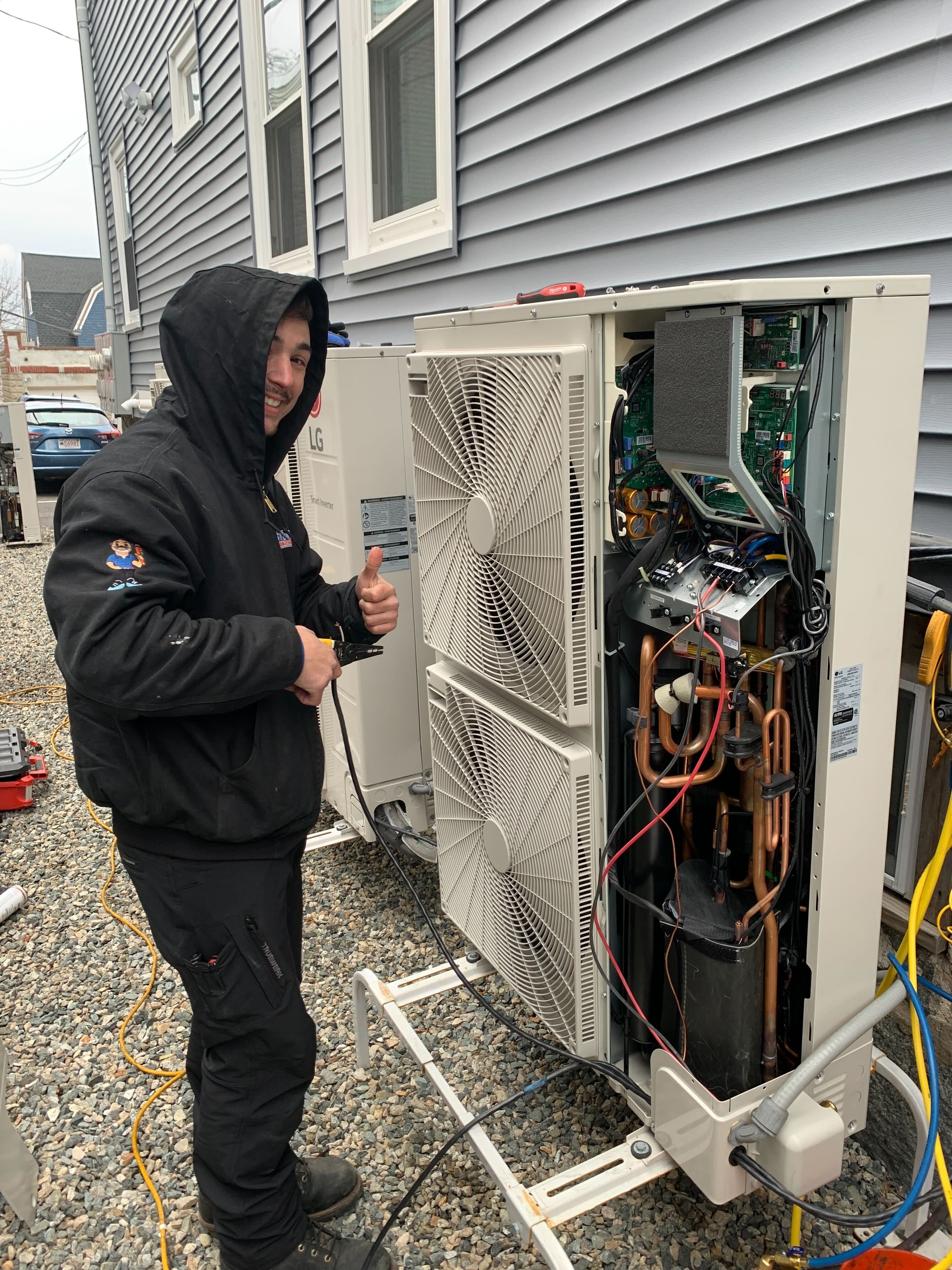
Replacement moves to the front when the diagnosis points to a major failure, repeated breakdowns, or a system that no longer fits the house well.
In the field, these are the situations that usually push the conversation toward replacement:
Major component failure: Compressor problems and sealed-system issues are in a different category than a routine control repair.
Chronic comfort problems: If the home has had uneven cooling, long run times, or persistent service issues, a repair may only restore the same frustration.
Upgrade opportunity: A new installation can be a chance to fix duct problems, zoning issues, or poor equipment matching at the same time.
Repair vs. replace decision factors
Factor | Consider Repairing If... | Consider Replacing If... |
Type of problem | The issue is a straightforward control, airflow, or single-part failure | The diagnosis involves compressor, sealed-system, or repeated major component trouble |
System history | The heat pump has been reliable and this is the first significant issue | You've had recurring cooling complaints or multiple service visits |
Comfort in the home | The home was cooling well before this breakdown | The system has struggled with hot rooms, long run times, or weak delivery |
House conditions | Ducts and airflow are generally in decent shape | The home may need broader corrections, not just a part replacement |
Long-term plan | You need to restore service and keep the current system going | You want better reliability and a more durable long-term solution |
The wrong repair isn't just expensive. It's the repair that puts money into a system that still won't solve the comfort problem you actually have.
For homeowners in Greater Boston and South Shore communities like Quincy, Weymouth, Braintree, and Hingham, a full diagnostic is crucial. A contractor should determine whether the problem is in the heat pump, in the airflow, or in both.
Using Mass Save Rebates for Your Upgrade
When replacement starts to make sense, Massachusetts homeowners have one advantage many other markets don't. There may be incentive programs that change the math.
If you're weighing a major repair against a new heat pump system, check the current Mass Save heat pump program details before making the final call. Rebates and program requirements can shift, so it's smart to verify what's available now rather than relying on older numbers or secondhand advice.
Why incentives matter in a repair decision
A big repair on older equipment can feel easier in the moment because it avoids a full installation. But if rebate support lowers the cost of an upgrade, replacement can become the stronger long-term move, especially when the old system has already shown reliability or performance issues.
For homeowners comparing different electric heating and cooling approaches, this guide to Upstate SC geothermal is a useful outside example of how broader heat pump planning can affect long-term value, even though the local rebate and installation details are different here in Massachusetts.
What to ask before you decide
Ask a contractor practical questions, not just price questions:
Will the proposed system qualify: Equipment selection matters.
Will the installation address airflow issues too: A new unit won't fix bad duct delivery by itself.
Who handles the paperwork: Rebate steps can be manageable, but they should be clear from the start.
Boston Budget can help homeowners review repair findings, compare replacement options, and understand how rebate eligibility fits into the decision.
Your Next Steps and Proactive Maintenance
If your heat pump isn't cooling, start with the safe checks. Verify the thermostat, confirm power, inspect the filter, and make sure the outdoor unit has open airflow. If those basics don't solve it, stop guessing and move toward diagnosis.
The goal isn't to turn every homeowner into a technician. It's to avoid wasting time on the wrong fix and to catch the easy problems before paying for a service call.
Maintenance that prevents common cooling issues
Major manufacturers recommend a few simple habits that make a real difference. Lennox and Trane advise replacing air filters every 1 to 3 months, and Trane also recommends keeping at least 2 feet of clearance around the outdoor unit for airflow. Lennox also recommends tune-ups twice a year, before heating season and before cooling season, as explained in this manufacturer guidance on heat pump cooling problems.
Those aren't complicated tasks, but they prevent a lot of avoidable trouble.
Change filters on schedule: Don't wait until the system feels weak.
Keep the outdoor unit clear: Leaves, weeds, and stored items all reduce airflow.
Pay attention to changes: New noise, icing, or long run times are worth acting on early.
Stay current on upkeep: This homeowner's guide to heat pump maintenance is a good place to start if you want a practical routine.
A heat pump usually gives warning signs before it stops cooling well. Homeowners who catch those signs early tend to avoid the bigger midsummer breakdowns.
If you're in Boston or the surrounding area and your system still isn't cooling after the safe checks, the next step is a proper service diagnosis, not more trial and error.
If your heat pump is blowing warm air, freezing up, or running without keeping the house comfortable, contact Boston Budget. Their Quincy-based team serves Greater Boston and the South Shore with residential and light commercial heating and cooling service, including heat pump diagnostics, repair, maintenance, and upgrade guidance. You can call or text (617) 644-0012 to schedule service.
Boston Budget is a locally owned plumbing, heating, and cooling company proudly serving homeowners in Boston, Quincy, Dorchester, Weymouth, and the surrounding communities. We specialize in boiler maintenance, heating repairs, and energy-efficient HVAC upgrade designed to keep your home safe, comfortable, and affordable, especially during harsh New England winters. With reliable service, transparent pricing, and fast response times, Boston Budget is your trusted local choice for plumbing and heating solutions.


